Are you wondering if you can just toss your wooden cutting board into the dishwasher to save time? It sounds like an easy solution, but your board might not thank you for it.
If you care about keeping your cutting board clean, safe, and long-lasting, you need to know what really happens when wood meets dishwasher heat and water. Keep reading, because the answer could change how you care for your kitchen tools—and protect your investment.
Risks Of Dishwasher Cleaning
Wooden cutting boards look great in the kitchen. They need special care to last long. Many people wonder if using a dishwasher is safe for these boards.
Dishwashers use hot water and strong detergents. These can harm the wood in different ways. Let’s look at the main risks of putting wooden boards in the dishwasher.
Warping And Cracking
Wood is sensitive to water and heat changes. The dishwasher sprays hot water and dries with heat. This can cause the wood to swell and then shrink quickly.
This fast change can make the board warp or crack. Warping means the board bends out of shape. Cracks can let water inside the wood, which damages it further.
Loss Of Natural Oils
Wood has natural oils that keep it strong and smooth. Hot water and detergent can wash away these oils. Without oils, the wood dries out and feels rough.
Dry wood breaks easier and does not last as long. You may need to oil the board often to keep it safe, but dishwasher cleaning removes these oils fast.
Bacterial Growth Concerns
Some people think dishwashers kill all germs on wooden boards. But damage from heat and water can create cracks and rough spots. These places can trap bacteria.
When the wood cracks, bacteria hide and grow inside. It is hard to clean these areas well. This can make the board unsafe for food use over time.

Credit: homewithgraceandjoy.com
Safe Cleaning Alternatives
Wooden cutting boards need gentle care. They should not go in the dishwasher. Heat and water can crack and warp the wood.
There are safe ways to clean wooden boards. These methods keep the board clean without damage.
Hand Washing Techniques
Wash wooden boards by hand with warm water and mild soap. Avoid soaking the board to stop it from swelling.
- Use a soft sponge or cloth
- Rinse quickly with warm water
- Dry the board immediately with a towel
- Let it air dry standing up to prevent moisture buildup
Using Vinegar And Baking Soda
White vinegar and baking soda help clean and deodorize wooden boards. They also fight bacteria safely.
| Ingredient | How to Use |
|---|---|
| White Vinegar | Spray or wipe on the board, then rinse after 5 minutes |
| Baking Soda | Sprinkle on the board, scrub gently, then rinse well |
Sanitizing With Lemon
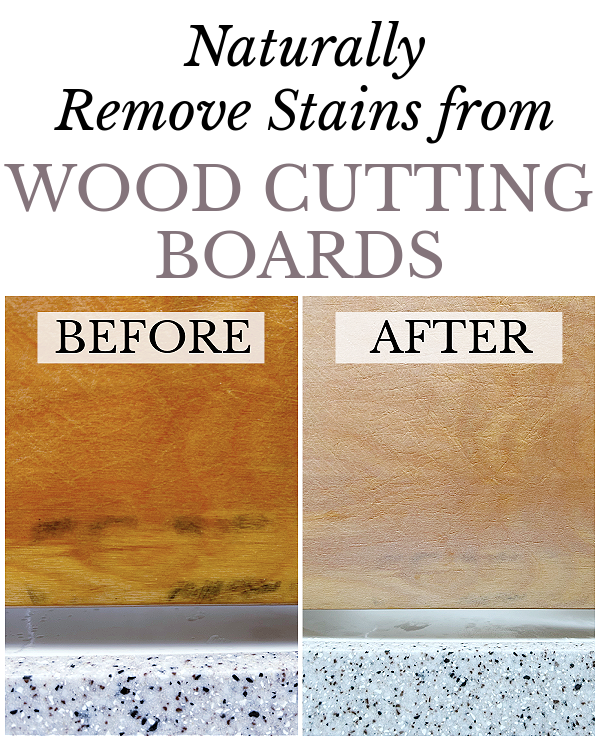
Lemon juice is a natural sanitizer and freshens the wood. It also helps remove stains.
To use lemon safely:
- Cut a lemon in half
- Rub the lemon over the board’s surface
- Let the juice sit for a few minutes
- Rinse the board with warm water
- Dry thoroughly with a clean towel
Maintaining Wooden Boards
Wooden cutting boards add charm to your kitchen. They need care to last long and stay safe.
Proper maintenance keeps the wood strong and clean. Avoid washing wooden boards in the dishwasher.
Regular Oiling Tips
Oiling your wooden board prevents cracks and warping. It also repels water and food stains.
- Use food-grade mineral oil or beeswax.
- Apply oil with a clean cloth evenly over the surface.
- Let the oil soak in for at least two hours or overnight.
- Wipe off excess oil before use.
- Oil your board once a month or when it looks dry.
Sanding And Refinishing
Sanding removes scratches and stains from your board. It refreshes the surface for better use.
| Material | Sandpaper Grit |
| Coarse Scratches | 80-100 grit |
| General Sanding | 120-150 grit |
| Final Smoothing | 220 grit |
After sanding, clean the board well and apply oil to seal the wood.
Storage Best Practices
Proper storage keeps your wooden board dry and mold-free. Avoid stacking wet boards.
- Store boards upright for air circulation.
- Keep them in a dry place away from direct sunlight.
- Do not store near heat sources like stoves or ovens.
- Make sure boards are fully dry before storing.
When Dishwasher Use Might Be Okay
Wooden cutting boards usually do not do well in dishwashers. The heat and water can cause cracks and warping. Still, some boards may handle dishwasher use under certain conditions.
Knowing which woods and settings work best helps protect your board. You can keep your board safe while using the dishwasher sometimes.
Types Of Wood That Tolerate Heat
Some types of wood are stronger and resist heat better. Hardwoods like maple and teak hold up well under warm conditions. These woods shrink less and are less likely to crack.
Softwoods and cheaper woods may absorb water and swell. Choose dense and oily woods if you want to try dishwasher cleaning occasionally.
- Maple
- Teak
- Walnut
- Bamboo (technically a grass, but strong)
Short Cycles And Low Heat Settings
Using short dishwasher cycles helps limit heat exposure. Low heat settings reduce the chance of wood damage. This approach can work if your board is dishwasher safe.
Try to avoid high heat drying options. Let the board air dry outside the machine if possible. This practice prevents cracks and warping.
- Use quick wash cycles
- Select low temperature or eco modes
- Skip heated drying phases
- Remove the board to air dry
Using Dishwasher-safe Boards
Some wooden cutting boards are made for dishwasher use. They have special treatments or finishes. These boards resist water and heat better than untreated wood.
Check the manufacturer’s label before using the dishwasher. Using the dishwasher on non-safe boards can ruin them quickly.
- Look for dishwasher-safe labels
- Boards with sealed or coated surfaces
- Follow care instructions carefully
- Regularly oil the wood to keep it strong
Expert Recommendations
Wooden cutting boards add charm to any kitchen. But cleaning them properly is key to keep them safe and long-lasting.
Many ask if a dishwasher is safe for wooden boards. Experts generally advise against it because of heat and water damage.
Frequency Of Deep Cleaning
Deep clean wooden boards often to remove bacteria and stains. Use gentle scrubbing with soap and warm water.
After washing, dry the board immediately. Avoid soaking to prevent wood from cracking or warping.
- Clean daily after heavy use
- Deep clean weekly or biweekly
- Oil the board monthly to protect wood
Avoiding Cross-contamination
Use separate boards for raw meat, vegetables, and cooked food. This stops germs from spreading.
Clean boards thoroughly after each use. Use hot water and soap, then dry completely.
- Label boards for specific foods
- Use plastic boards for raw meat if preferred
- Sanitize with vinegar or diluted bleach occasionally
Signs Your Board Needs Replacement
Check your board often for cracks, deep cuts, or warping. These spots can hide bacteria.
If the board smells bad or stains do not come out, it is time to get a new one.
- Cracks or splits in wood
- Deep grooves or knife marks
- Persistent odors or stains
- Warping or bending
Credit: www.lemonslavenderandlaundry.com

Credit: www.reddit.com
Frequently Asked Questions
Can You Put A Wooden Cutting Board In The Dishwasher?
No, it’s not recommended. Dishwashers can damage wooden cutting boards. The heat and water can cause warping and cracking. Instead, hand wash with mild soap and warm water. Dry thoroughly to prevent moisture absorption and maintain its longevity. This method ensures your wooden cutting board remains in good condition.
How To Clean A Wooden Cutting Board Safely?
Clean your wooden cutting board by hand washing with mild soap and warm water. Avoid soaking it. Rinse thoroughly and dry immediately with a clean towel. To disinfect, use a mixture of vinegar and water. Regularly oil the board with mineral oil to keep it in top shape.
What Happens If You Dishwasher A Wooden Board?
Dishwashing a wooden board can lead to warping, cracking, and splitting. The intense heat and water exposure are harmful. It also strips the board of its natural oils. This results in a shortened lifespan and compromised quality. Always opt for gentle hand washing to maintain durability.
How To Maintain A Wooden Cutting Board?
Maintain your wooden cutting board by regularly oiling it with food-grade mineral oil. This prevents drying and cracking. Clean it promptly after use with mild soap and water. Avoid soaking, and always dry immediately. Store in a dry area away from direct sunlight to ensure its longevity.
Conclusion
Wooden cutting boards do not belong in the dishwasher. The heat and water can cause cracks and warping. Washing by hand keeps the wood strong and safe. Use warm, soapy water and dry it well after. Regular oiling helps maintain its quality and lifespan.
Caring properly means your board lasts longer and stays clean. Choose simple cleaning methods to protect your wooden cutting board every time.