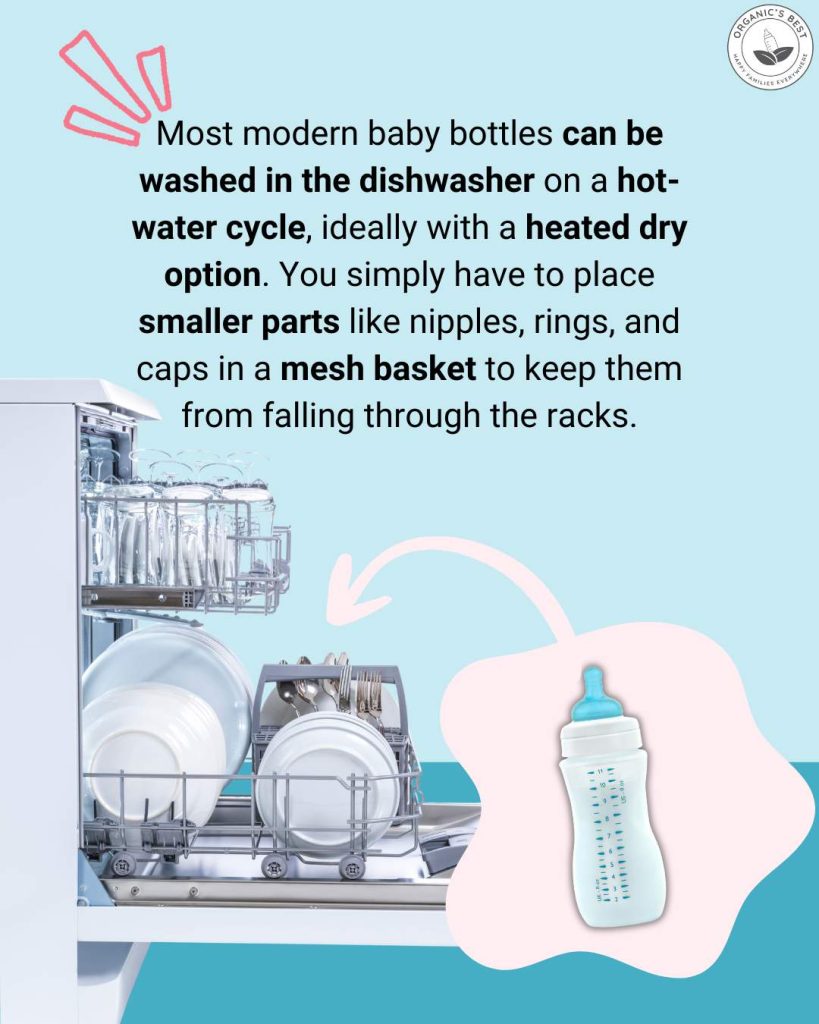
Are you tired of the endless cycle of cleaning baby bottles by hand? If so, you’re not alone.
As a busy parent, you’re always on the lookout for ways to streamline your daily tasks. The question that often pops up is: can you wash baby bottles in the dishwasher? This simple query holds the promise of saving you precious time and effort.
Imagine a world where you could pop those bottles into the dishwasher and let it do the work for you. But is it really that simple? Dive into this article to discover everything you need to know about using your dishwasher for baby bottles. Whether it’s safe, effective, or even recommended, we’ve got the answers you’re looking for. Get ready to find out how to make your life just a little bit easier!
Dishwasher And Baby Bottles
Cleaning baby bottles thoroughly is essential for your little one’s health, and many parents wonder if using a dishwasher is a safe and efficient option. Dishwashers can save time and ensure bottles are sanitized, but not all bottles or dishwasher settings are created equal. Understanding which baby bottles can withstand dishwasher cleaning and how to do it safely will help you keep feeding gear spotless without worry.
Dishwasher Safety For Baby Bottles
Not every dishwasher cycle is suitable for baby bottles. High heat and strong detergents can damage plastic bottles or cause harmful chemicals to leach. Always check your bottle’s manufacturer instructions before loading them into the dishwasher.
Place bottles and parts on the top rack, away from the heating element, to avoid warping. Use a gentle or baby-safe dishwasher detergent to protect delicate materials. Rinse bottles immediately after washing to remove any detergent residue that could irritate your baby’s mouth.
Have you noticed your bottles looking cloudy or brittle after dishwasher cycles? This can be a sign of heat damage or harsh detergent use. Adjusting your dishwasher settings and detergent choice can extend the life of your bottles and keep them safe for use.
Types Of Baby Bottles Suitable For Dishwashers
Glass bottles are generally dishwasher-safe and can handle high temperatures without damage. They are a great option if you want durability and ease of cleaning. However, they require careful placement to avoid breakage during the wash cycle.
Many modern plastic bottles are labeled dishwasher-safe, but this varies widely based on the plastic type. Look for bottles made from BPA-free polypropylene or Tritan plastics, which resist heat and chemical damage better than cheaper plastics.
- Silicone bottles:These are flexible and usually dishwasher-safe, but verify the manufacturer’s guidelines.
- Older or low-quality plastics:Often not suitable for dishwashers as they can warp or release harmful substances.
Choosing bottles designed for dishwasher use can reduce your cleaning time and give you peace of mind. What kinds of bottles have you found easiest to clean? Share your experience and tips for keeping feeding gear safe and hygienic.

Credit: www.searshomeservices.com
Preparing Bottles For Cleaning
Getting baby bottles ready before you put them in the dishwasher is crucial for a thorough clean. Proper preparation helps remove leftover milk or formula, ensuring your baby’s bottles are safe and hygienic. It also protects the dishwasher and keeps all parts clean without damage.
Disassembling Bottle Parts
Take apart every piece of the bottle before washing. This means removing the nipple, collar, and any valves or rings. If you leave these parts attached, milk residue can hide in small crevices, making it harder to clean properly.
Think about how tiny the openings are in bottle nipples—they trap milk easily. Separating parts allows water and detergent to reach all surfaces. This simple step can prevent mold and bacteria buildup that might be harmful to your baby.
Rinsing Residue Before Washing
Rinse each piece under running water to clear away any milk or formula left inside. This quick rinse stops food particles from baking onto the bottle during the dishwasher cycle. It also prevents clogging your dishwasher’s filter with sticky residue.
Even a light rinse can make a big difference in the final cleanliness. You don’t need to scrub, just get rid of the obvious leftovers. Have you noticed how a quick rinse makes the dishwasher’s job easier and your bottles come out sparkling clean?
Best Dishwasher Practices
Washing baby bottles in the dishwasher saves time and ensures cleanliness. Following best dishwasher practices helps keep bottles safe and hygienic for your baby. Proper care during washing protects the bottles and removes harmful germs effectively.
Choosing The Right Dishwasher Cycle
Select a cycle with high heat for thorough cleaning. Many dishwashers have a “Baby Care” or “Sanitize” cycle designed for baby items. Avoid quick or eco cycles since they may not clean deeply enough. A longer, hotter cycle kills more bacteria and removes milk residue well.
Using Safe Detergents
Pick detergents free from harsh chemicals and fragrances. Look for baby-safe or mild detergents to avoid irritation. Avoid using bleach or strong cleaners, which can leave harmful residues. Using gentle detergent keeps bottles safe and clean without damage.
Proper Placement In The Dishwasher
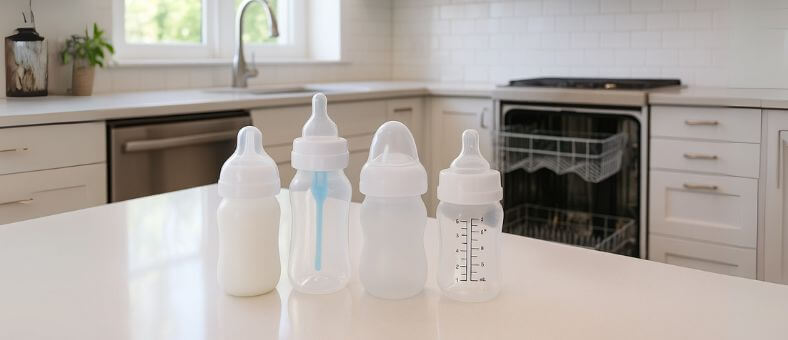
Place bottles upright on the top rack for best cleaning. Secure nipples and small parts in a dishwasher basket to prevent loss. Avoid overcrowding to let water reach all surfaces. Proper placement ensures every part gets cleaned and rinsed well.
Credit: washdrydazzle.com
Handwashing Vs Dishwasher
Choosing between handwashing and using a dishwasher for baby bottles requires understanding the pros and cons of each. Both methods clean bottles but differ in convenience, thoroughness, and safety. Knowing when to choose one over the other helps keep your baby’s feeding items clean and safe.
Benefits Of Handwashing
Handwashing allows you to clean bottles gently and carefully. It helps remove milk residue and buildup from hard-to-reach areas.
- Better control over cleaning pressure and attention to detail
- Immediate washing after use prevents bacteria growth
- No risk of heat damage from dishwasher cycles
- Ideal for delicate bottles or parts that dishwasher might harm
Handwashing also lets you inspect each piece closely for cracks or damage.
When To Avoid Dishwasher Cleaning
Dishwasher cleaning is not always suitable for all baby bottles or parts. Avoid dishwasher use in these cases:
- Bottles with labels that can peel or fade
- Plastic parts not marked dishwasher-safe
- Bottles with cracks or wear that heat may worsen
- When dishwasher cycles are too hot or too long
Sometimes, residue or buildup remains after dishwasher cleaning. Handwashing is better for stubborn stains.
Maintaining Bottle Hygiene
Keeping your baby’s bottles clean and safe is crucial for their health. Maintaining bottle hygiene goes beyond just washing; it means being vigilant about any damage and ensuring thorough sterilization. This helps prevent bacteria buildup and keeps feeding time worry-free.
Regular Inspection For Damage
Check your baby bottles regularly for cracks, discoloration, or warping. Even small cracks can harbor harmful bacteria that washing alone won’t remove. If you spot any damage, it’s best to replace the bottle immediately to keep your baby safe.
Pay special attention to the nipple. Look for thinning, tears, or changes in texture that could affect feeding or hygiene. Have you ever noticed how a worn-out nipple can change the flow and make feeding uncomfortable? That’s a sign it’s time to switch it out.
Sterilizing Bottles Periodically
Washing bottles in the dishwasher is convenient, but sterilizing them periodically adds an extra layer of safety. You can use boiling water, steam sterilizers, or microwave sterilizing bags to kill lingering germs. This is especially important during your baby’s first few months when their immune system is still developing.
Try setting a regular schedule for sterilization, such as once or twice a week. This habit reduces the risk of contamination and gives you peace of mind. What sterilizing method fits best into your routine?
Common Mistakes To Avoid
Washing baby bottles in the dishwasher can save time and effort, but many parents unknowingly make mistakes that could harm the bottles or risk your baby’s health. Understanding these common errors helps you keep bottles clean and safe without damaging them. Let’s look at some avoidable pitfalls you might not realize you’re making.
Avoiding High Heat Damage
Many dishwashers use high heat during the drying cycle, which can warp or degrade plastic baby bottles. If you’ve ever noticed your bottle looking misshapen or the nipple feeling stiff after washing, high heat is likely the culprit.
To protect your bottles, place them on the top rack where the heat is less intense. Also, consider skipping the heated dry cycle and let bottles air dry instead. Have you checked your dishwasher’s manual to see if it has a “baby bottle” or “gentle” setting? Using these can prevent unnecessary heat exposure.
Preventing Cross-contamination
It’s tempting to toss baby bottles in with regular dishes, but this can lead to germs transferring from utensils or plates to your baby’s feeding gear. Even if your dishwasher sanitizes, food residue and bacteria from other items may linger on bottles and nipples.
Keep bottles and their parts separated by using a dishwasher basket or a dedicated compartment. Wash bottles with similar baby items only, and avoid placing them next to heavily soiled dishes. Do you remember the last time you cleaned your dishwasher? A dirty dishwasher can harbor bacteria, defeating your cleaning efforts.

Credit: www.searshomeservices.com
Frequently Asked Questions
Can You Wash All Baby Bottles In Dishwasher?
Most baby bottles are dishwasher-safe, but always check the manufacturer’s instructions. Use the top rack to avoid heat damage. Avoid washing bottles with delicate parts or labels that may peel off.
Is Dishwasher Safe For Sterilizing Baby Bottles?
Dishwashers with a high-temperature sanitizing cycle can help sterilize baby bottles. However, use a dedicated sterilizer for thorough sterilization. Always ensure bottles are dishwasher-safe before using this method.
How To Place Baby Bottles In Dishwasher Properly?
Place bottles upright on the top rack to prevent water pooling. Separate all parts like nipples and rings in a dishwasher basket. Avoid overcrowding to ensure proper cleaning and drying.
Can Dishwasher Damage Baby Bottle Nipples?
High heat and strong detergents can damage nipples in the dishwasher. It’s best to wash nipples by hand or place them in a mesh bag on the top rack. Always check material compatibility before dishwasher use.
Conclusion
Washing baby bottles in the dishwasher can be safe and quick. Choose a dishwasher with a baby bottle basket or rack. Use hot water and a good detergent for best cleaning. Always check the bottle’s instructions first to avoid damage.
Some parts may need hand washing to stay in good shape. Clean bottles help keep your baby healthy and happy. Simple steps make bottle cleaning easier every day. Keep your baby’s feeding gear clean and ready.