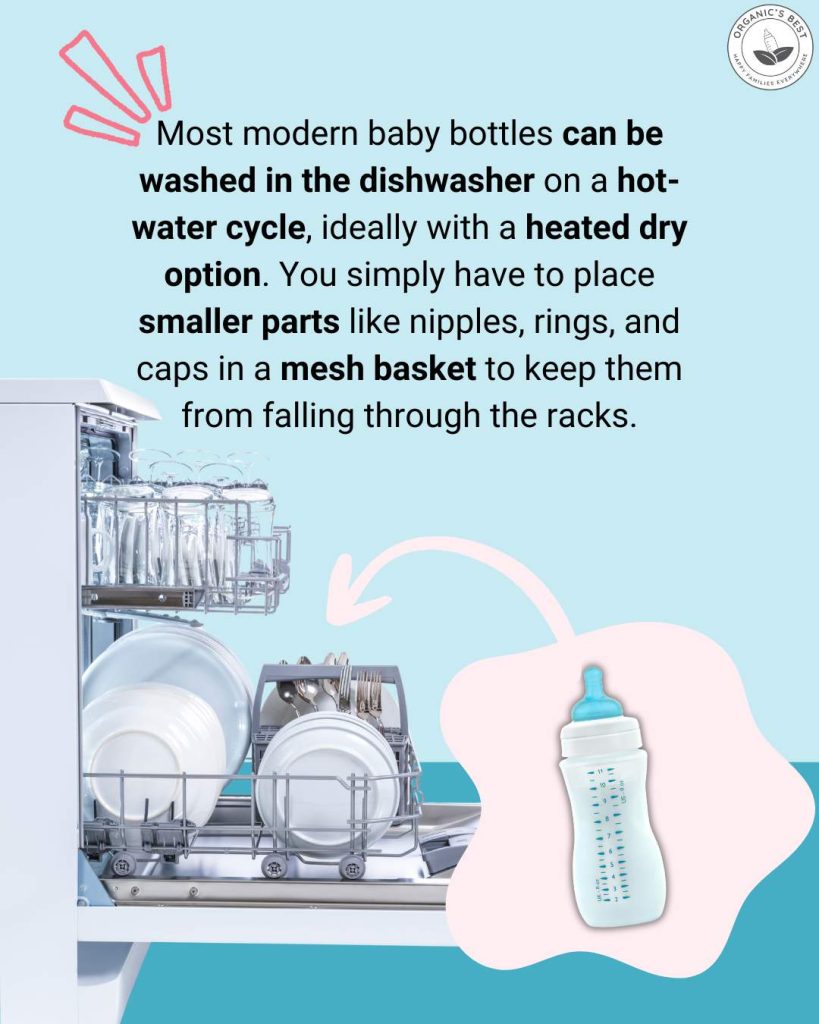
Are you tired of the endless cycle of washing bottles by hand? Do you find yourself wondering if there’s a more efficient way to keep your bottles clean without sacrificing hygiene?
You’re not alone. Many people like you are searching for time-saving solutions in their busy lives, and the dishwasher seems like the perfect answer. But can you really wash bottles in the dishwasher without compromising their cleanliness or safety? In this blog post, we’ll explore the ins and outs of using your dishwasher to clean bottles, helping you make the best choice for your routine and peace of mind.
Stick around to discover tips that could transform your kitchen experience and free up more of your precious time.

Credit: www.searshomeservices.com
Dishwasher Safety For Bottles
Washing bottles in the dishwasher can save time and effort. Still, safety is key to avoid damage to bottles or the dishwasher. Understanding which bottles are safe for dishwasher use protects both your items and your appliance. Proper care keeps bottles clean and lasting longer.
Types Of Bottles Suitable For Dishwashers
Many bottles are designed to handle dishwasher cleaning. Look for bottles labeled as dishwasher-safe. Common types include:
- Plastic bottles made from durable plastics like polypropylene (PP)
- Glass bottles with sturdy construction
- Stainless steel bottles designed for dishwasher use
These bottles usually withstand high heat and water pressure without warping or cracking.
Materials To Avoid In Dishwashers
Some materials do not react well to dishwashers. Avoid placing these bottles inside:
- Thin or soft plastics that can melt or warp
- Bottles with decorative coatings that can peel
- Aluminum bottles prone to discoloration
- Wood or bamboo caps and parts
These materials may degrade or damage during the wash cycle.
Checking Manufacturer Guidelines
Always check the bottle’s manufacturer instructions before washing. The label or packaging often provides care tips. Look for symbols or notes about dishwasher safety. Following these guidelines helps avoid damage and maintains bottle quality. Manufacturer advice is the best source for safe cleaning practices.

Credit: www.searshomeservices.com
Preparing Bottles For Washing
Getting your bottles ready for the dishwasher is key to ensuring they come out clean and undamaged. Proper preparation helps avoid residue buildup and protects delicate parts. It also improves the dishwasher’s efficiency, saving you time and effort.
Removing Labels And Caps
Start by peeling off any labels stuck to the bottles. Some labels dissolve in the dishwasher, but many leave behind sticky residue that can clog filters or stick to other items. Removing labels beforehand prevents this mess.
Next, take off all caps and lids. They often have silicone seals or small parts that need separate washing. Leaving caps on can trap water inside and cause mold or odors.
Pre-rinsing Bottles
Give each bottle a quick rinse to clear out leftover liquids and loose debris. This step reduces dishwasher grime and stops food particles from blocking spray arms. You don’t need to scrub hard—just a simple rinse under warm water works well.
If you notice stubborn milk or juice stains, soaking the bottle in warm soapy water before rinsing helps loosen residue. Have you ever noticed a sour smell after washing? Pre-rinsing cuts down on that by flushing out trapped liquids.
Disassembling Bottle Parts
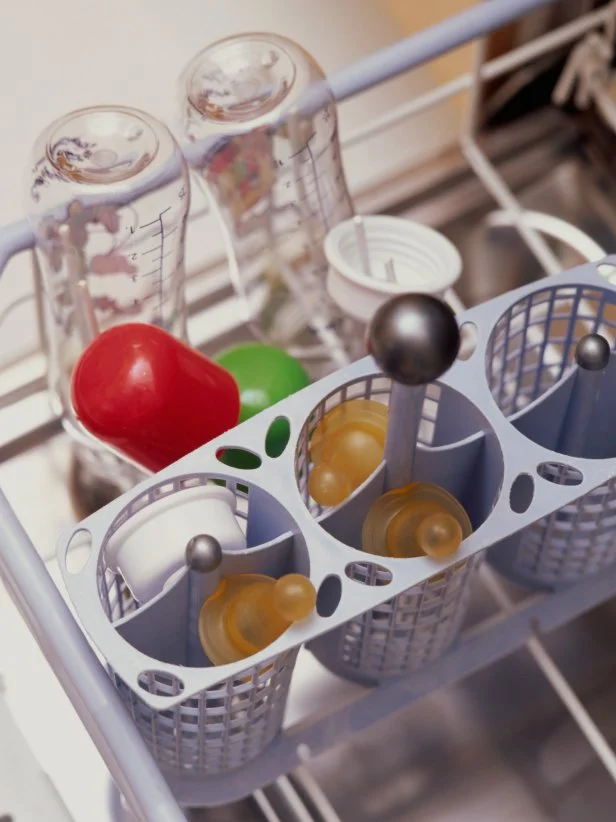
Take apart all removable pieces like nipples, valves, and inner rings. These small parts often trap milk or formula, making thorough cleaning essential. Dishwashers can’t clean inside tiny crevices if parts stay assembled.
Organize the pieces in a dishwasher-safe basket or mesh bag to avoid losing them during the wash cycle. This simple step keeps everything together and ensures each piece gets proper water flow. Have you tried washing everything assembled? You might notice some parts stay sticky or smelly afterward.
Best Dishwasher Settings For Bottles
Choosing the best dishwasher settings for bottles ensures they come out clean and undamaged. Proper settings protect bottles from heat damage and help remove milk residue, odors, and stains. Using the right temperature, cycle, and holders keeps bottles safe and hygienic after every wash.
Choosing The Right Temperature
Use warm water for most bottles to avoid melting or warping. Temperatures between 120°F and 140°F clean well without damaging plastic. High heat can cause plastic bottles to lose shape or crack. Stainless steel bottles handle higher temperatures better but still avoid the hottest setting.
Selecting The Appropriate Cycle
Gentle or delicate cycles work best for bottles. These cycles use less force and shorter wash times. Avoid heavy cycles that may cause bottles to bang or crack. Some dishwashers have a “bottle” or “baby items” cycle designed for delicate washing.
Using Racks And Holders
Place bottles upside down in racks or holders to drain water fully. Use bottle holders or special racks to keep bottles upright and prevent movement. Avoid placing bottles near heating elements to reduce heat exposure. Secure lids and nipples separately in utensil baskets to clean properly.
Cleaning Bottles By Hand Vs Dishwasher
Cleaning bottles is essential to keep them safe and odor-free. Both hand washing and dishwasher cleaning have their places. Each method offers different benefits and drawbacks. Understanding these can help decide the best cleaning choice.
Pros And Cons Of Dishwasher Cleaning
- Pros:Saves time and effort by cleaning multiple bottles at once.
- Pros:Uses high water temperature to kill most germs effectively.
- Pros:Provides consistent cleaning with less manual scrubbing.
- Cons:Some bottles may get damaged from heat or water pressure.
- Cons:Not all bottle parts fit well or get cleaned properly.
- Cons:Dishwasher detergent can leave residues on some plastics.
When Hand Washing Is Recommended
- For delicate or hand-painted bottles that can fade or crack.
- When bottles have small parts or tight areas hard to reach.
- For quick cleaning if only one bottle needs washing.
- When you want to check and clean every part carefully.
- If dishwasher cleaning causes damage or leaves odors.
Tips For Maintaining Bottle Hygiene
Maintaining bottle hygiene is essential for health and safety. Clean bottles prevent bacteria and germs. Proper care keeps bottles fresh and safe for use. Follow simple tips to maintain your bottle’s cleanliness and extend its life.
Regular Deep Cleaning Techniques
Deep clean bottles frequently to remove stubborn dirt. Use warm, soapy water and a bottle brush. Scrub all parts, including caps and lids. Rinse thoroughly to remove soap residue. Let bottles air dry completely before storing.
Occasionally, soak bottles in a solution of vinegar and water. This helps break down mineral deposits and stains. Avoid using harsh chemicals that can damage bottles.
Preventing Mold And Odors
Dry bottles fully before closing them to prevent mold growth. Store bottles with caps off in a dry place. Check bottles regularly for signs of mold or bad smells. Clean immediately if odors or mold appear.
Use baking soda mixed with water to neutralize odors. Rinse well after treatment to keep bottles smelling fresh.
Sanitizing Bottles Effectively
Sanitize bottles to kill germs after cleaning. Boil bottles in water for 5 minutes if they are heat-safe. Use dishwasher sanitize cycles if bottles are dishwasher safe. Use a mild bleach solution as a last resort, then rinse well.
Always follow manufacturer instructions for sanitizing to avoid damage.
Troubleshooting Common Issues
Washing bottles in the dishwasher can save time, but it sometimes leads to issues that frustrate even the most patient users. Knowing how to troubleshoot common problems helps you keep your bottles clean, safe, and looking new. Let’s tackle some frequent concerns that might pop up after a dishwasher cycle.
Dealing With Cloudy Or Stained Bottles
Have you noticed your bottles looking foggy or stained after washing? This often happens due to hard water deposits or leftover detergent residue. Try adding a rinse aid or switching to a gentler detergent to reduce cloudiness.
If stains persist, soaking the bottles in a mixture of vinegar and water for 30 minutes before running them through the dishwasher again can help. Avoid harsh scrubbers as they may scratch the surface and make bottles look worse.
Fixing Bottle Damage From Dishwashers
Cracks or chips on bottles after dishwasher cycles can be disappointing. Plastic bottles are especially vulnerable to high heat, which can weaken the material over time. Check the manufacturer’s guidelines to ensure your bottles are dishwasher-safe.
If damage occurs, don’t ignore it—damaged bottles can harbor bacteria or leak liquids. Replace any bottle that shows significant wear to protect your health and avoid spills.
Avoiding Bottle Warping
Warping is a common problem, especially with thin plastic bottles. High heat cycles can cause them to lose their shape. To avoid this, place bottles on the top rack where the temperature is usually lower.
Consider using a dishwasher setting with a lower temperature or an air-dry option. Have you tried these adjustments? They might make a big difference in preserving your bottles.
Eco-friendly Bottle Washing Tips
Washing bottles in a way that respects the environment is easier than you might think. Small changes in how you clean can make a big difference for the planet. Here are some practical tips to help you wash your bottles while saving resources and reducing waste.
Saving Water And Energy
Dishwashers use less water than hand washing when fully loaded. Make sure to run your dishwasher only when it’s full to save water and electricity.
Use eco or energy-saving modes if your dishwasher has them. These settings reduce power use and lower your energy bills.
Have you ever thought about air drying bottles instead of using a heated drying cycle? It’s a simple way to cut down on energy use.
Using Environmentally Safe Detergents
Choose detergents labeled biodegradable or phosphate-free. These break down easily and don’t harm water systems.
Avoid harsh chemicals that can leave residues inside bottles or pollute the environment. Natural or plant-based detergents work well and are gentle on surfaces.
Try adding a splash of white vinegar to the rinse cycle. It helps remove soap residue and keeps bottles fresh without toxic chemicals.
Reducing Plastic Waste
Switch to reusable bottles made from stainless steel or glass. They last longer and reduce the need to frequently replace plastic bottles.
When buying detergent or dishwasher pods, look for brands that use minimal or recyclable packaging. This helps cut down on plastic waste.
Have you considered repairing or repurposing old bottle parts instead of throwing them away? Small fixes can extend your bottles’ life and keep plastic out of landfills.
Credit: www.foodnetwork.com
Frequently Asked Questions
Can All Types Of Bottles Be Washed In A Dishwasher?
Not all bottles are dishwasher-safe. Check the manufacturer’s label before washing. Plastic bottles may warp, while glass and stainless steel usually withstand dishwasher cycles.
How Do I Safely Wash Baby Bottles In A Dishwasher?
Use the top rack to avoid heat damage. Disassemble all parts and use a dishwasher basket for small items. Choose a gentle or baby-safe wash cycle.
Will Dishwasher Detergent Damage Bottles Over Time?
Harsh detergents can degrade some materials like plastic. Use mild, eco-friendly detergents to preserve bottle quality. Rinse bottles thoroughly after washing to remove residue.
Can Dishwasher Clean Bottle Nipples Effectively?
Dishwashers can clean nipples if placed securely in a basket. Use a hot water cycle for sterilization. Regular inspection for damage or wear is essential for safety.
Conclusion
Washing bottles in a dishwasher saves time and effort. Most bottles made for babies or water can handle dishwasher cleaning well. Always check the bottle’s label for dishwasher safety. Place bottles on the top rack to avoid damage. Use a gentle cycle and avoid high heat settings.
Hand washing still works best for delicate or specialty bottles. Clean bottles regularly to keep them safe and fresh. This simple step helps protect your family’s health every day. Give your bottles a good rinse before dishwasher use to remove leftover milk or juice.
Simple habits keep bottles clean and ready to use.