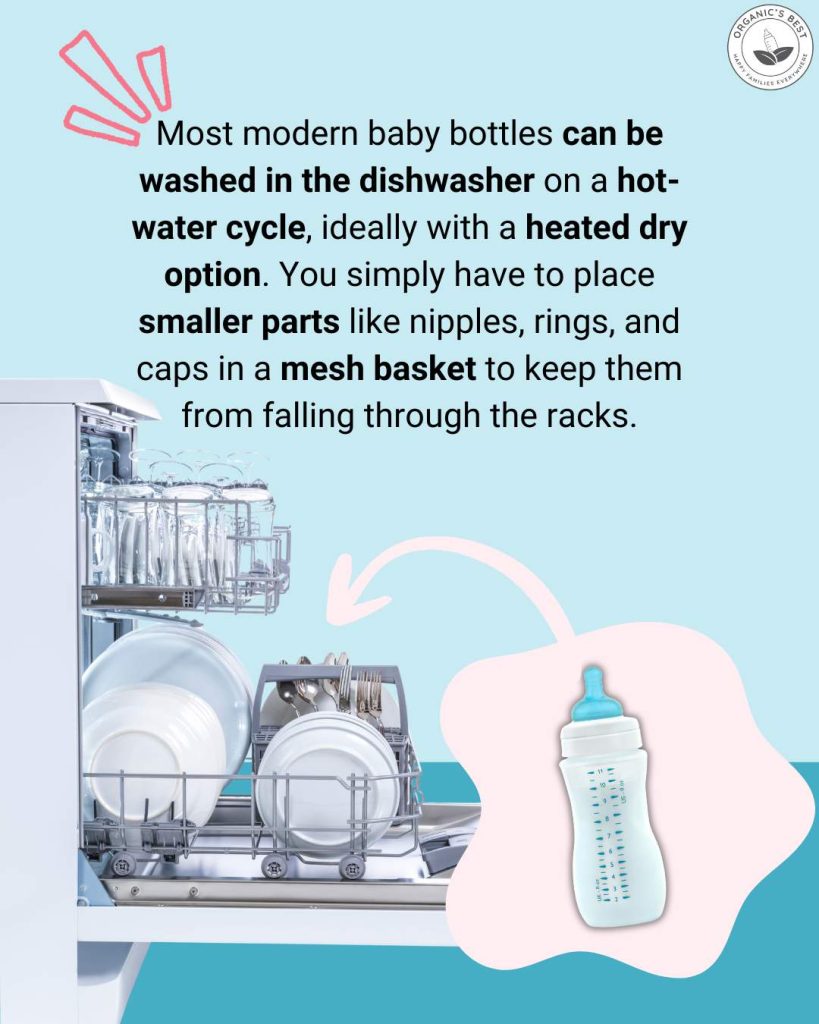
Have you ever found yourself staring at a pile of baby bottles, wondering if your dishwasher can handle the job? You’re not alone.
Many parents and caregivers are on a quest for convenience without compromising on cleanliness. Washing bottles by hand can be time-consuming, and you might be unsure if your dishwasher can ensure the same level of hygiene. But what if your dishwasher could be your best ally in keeping those bottles sparkling clean?
Imagine the time you could save and the peace of mind you could gain. We’ll explore whether you can trust your dishwasher with this important task and what you need to know to make the best decision for your little one’s health. Let’s dive in and discover the truth about washing bottles in the dishwasher.
Dishwasher Safety For Bottles
Knowing whether you can wash bottles in the dishwasher is essential for keeping them clean without causing damage. Dishwasher safety for bottles depends on the type of bottle and the material it’s made from. Understanding these factors helps you protect your bottles and maintain their usability.
Types Of Bottles Suitable For Dishwashers
Not all bottles are dishwasher-friendly. Plastic bottles labeled as “dishwasher safe” usually handle the heat well. Glass bottles generally work fine too, but check for any special coatings or labels.
Stainless steel bottles can be tricky. Many are dishwasher safe, but some have insulation or paint that may peel or wear out. Always check the manufacturer’s instructions before tossing them into the dishwasher.
Materials That Withstand Dishwasher Heat
Materials like tempered glass, certain plastics (like polypropylene), and stainless steel often withstand dishwasher heat without warping or cracking. These materials can handle the high temperatures during the wash cycle.
On the other hand, softer plastics or bottles with rubber seals might degrade quickly. Pay attention to the symbols on your bottle — a dishwasher-safe icon is your best guide.
Avoiding Damage To Bottles
Placing bottles on the top rack reduces exposure to intense heat from the dishwasher’s heating element. Avoid using harsh detergents that can wear down paint or plastic surfaces.
Remove lids and seals before washing to clean every part thoroughly and prevent trapped moisture. Have you ever noticed a strange odor lingering in your bottle after dishwashing? It might be time to hand wash those rubber parts.

Credit: www.searshomeservices.com
Preparing Bottles For The Dishwasher
Preparing bottles for the dishwasher is essential to ensure they come out clean and undamaged. Proper preparation helps avoid clogged dishwasher parts and guarantees thorough cleaning. You might be surprised how small steps before loading can make a big difference in hygiene and bottle longevity.
Removing Labels And Residue
Start by peeling off any labels on the bottles. Sticky labels can clog your dishwasher’s filter and leave behind residue on other items. If the label won’t come off easily, soak the bottle in warm soapy water for a few minutes to loosen it.
Use a gentle scrubber or a bit of baking soda to remove any leftover glue. This simple action prevents the dishwasher from distributing sticky bits all over your dishes. Have you noticed how stubborn sticker glue can ruin a whole load? Tackling this first saves you that hassle.
Disassembling Parts For Thorough Cleaning
Take apart all removable pieces such as nipples, rings, and caps before placing them in the dishwasher. Smaller parts can trap milk residue and bacteria if not cleaned well. Plus, disassembled parts dry faster and more evenly, reducing the risk of mold.
Use a dishwasher basket or mesh bag for tiny components. This keeps them safe and prevents them from falling to the bottom of the dishwasher. Have you ever lost a tiny bottle part to the dishwasher drain? This tip will save you that frustration.
Rinsing Bottles Before Loading
Rinse bottles under running water to clear out any leftover milk or formula. This prevents dried milk from baking onto the bottle during the dishwasher cycle. A quick rinse also stops your dishwasher filter from clogging and smelling bad.
Even if you plan to use a sterilizing cycle, rinsing first helps the dishwasher clean more effectively. It’s a small step that improves both hygiene and dishwasher performance. How often do you skip rinsing, only to find stubborn stains later?
Optimal Dishwasher Settings
Setting the dishwasher correctly helps clean bottles thoroughly and safely. Optimal settings prevent damage to bottles and ensure they come out spotless. Adjusting temperature, cycle type, and detergent plays a vital role in effective washing. Proper settings keep bottles hygienic and ready for use.
Choosing The Right Temperature
Set the dishwasher temperature between 120°F and 160°F for best results. High heat removes germs and tough stains well. Too hot temperatures may warp plastic bottles. Low heat may not clean thoroughly. Check bottle labels for heat tolerance before choosing temperature.
Selecting Appropriate Cycle Types
Use gentle or glassware cycles for delicate bottles. Normal or heavy cycles suit sturdy bottles and baby bottles. Avoid quick wash cycles for heavily soiled bottles. Some dishwashers have a sanitize option for extra cleanliness. Select cycles that balance cleanliness and bottle safety.
Using The Correct Detergents
Choose dishwasher detergents without harsh chemicals or bleach. Use detergents labeled safe for plastics and baby items. Avoid powders that may leave residue on bottles. Liquid or gel detergents dissolve better and clean evenly. Rinse aids help remove spots and improve drying.
Loading Bottles Effectively
Loading bottles in the dishwasher needs care to keep them clean and safe. Proper arrangement helps water reach inside while preventing damage. It also makes sure small parts don’t get lost or dirty. Follow simple steps to load bottles effectively for the best results.
Positioning Bottles To Avoid Damage
Place bottles upright in the dishwasher racks. Avoid laying bottles on their sides. Upright position lets water drain well and prevents pooling. Keep bottles away from heating elements to stop warping. Use the top rack for plastic bottles to reduce heat exposure. Space bottles apart to avoid bumping during the wash cycle.
Securing Small Parts And Lids
Remove lids and small parts from bottles before washing. Place lids and nipples in a dishwasher basket or mesh bag. This keeps them secure and stops them from falling to the bottom. Small parts need gentle cleaning, so avoid placing them near strong water jets. Check the basket after washing to make sure all parts are there.
Maximizing Space Without Compromising Cleanliness
Load bottles without overcrowding the dishwasher. Overcrowding blocks water flow and reduces cleaning power. Use the rack’s adjustable tines to fit bottles of different sizes. Arrange bottles so spray arms can spin freely. Group similar items together for better water reach. Leave space between bottles and other dishes for thorough cleaning.
Limitations And Risks
Washing bottles in the dishwasher can be convenient but carries some risks. Not all bottles can handle the heat and pressure inside a dishwasher. Understanding the limitations helps protect your bottles and ensures safety.
Potential For Warping Or Cracking
High dishwasher temperatures can cause plastic bottles to warp or crack. Thin or low-quality plastics are more likely to deform. Glass bottles might crack due to sudden temperature changes. Avoid placing bottles near the dishwasher’s heating element.
Impact On Bottle Lifespan
Frequent dishwasher cleaning may shorten a bottle’s lifespan. Heat and harsh detergents can wear down the material. This wear can affect bottle seals and lids, causing leaks. Hand washing can extend the life of your bottles.
When To Avoid Dishwasher Cleaning
- Bottles with labels that peel or fade easily.
- Bottles made from delicate materials like thin glass.
- Bottles with electronic or insulated parts.
- Bottles that the manufacturer advises to hand wash only.

Credit: www.reddit.com
Alternative Cleaning Methods
Not everyone has a dishwasher or feels comfortable putting bottles in one. Luckily, there are effective ways to clean your bottles without relying on a dishwasher. These alternative methods can be just as thorough and keep your bottles safe and hygienic.
Hand Washing Tips For Bottles
Hand washing bottles might seem old-fashioned, but it’s a reliable way to clean them thoroughly. Use warm soapy water and make sure to reach every corner inside the bottle.
Try filling the bottle halfway with soapy water and shaking it vigorously. This helps loosen any stuck-on residue.
Rinse the bottle well with clean water to remove all soap. Let the bottle air dry completely to prevent moisture buildup, which can cause mold.
Using Bottle Brushes And Cleaning Tablets
Bottle brushes are a game changer for cleaning hard-to-reach spots. Choose a brush with soft bristles that won’t scratch the bottle but can scrub effectively.
Cleaning tablets can also boost your cleaning routine. Drop one in warm water inside the bottle, let it fizz, then scrub with a brush and rinse.
Many parents find this combo perfect for baby bottles or sports bottles that need extra care. Have you tried combining these two tools for a deeper clean?
Sanitizing Bottles Without A Dishwasher
You can sanitize bottles without a dishwasher by using boiling water or steam. Boil a pot of water and carefully place the bottles inside for a few minutes.
Another option is using a steam sterilizer designed for bottles, which kills germs without harsh chemicals. This is especially useful if you want to avoid strong detergents.
Remember, sanitizing is key if the bottles are used for infants or when you want to ensure maximum cleanliness. How often do you sanitize your bottles?

Credit: www.searshomeservices.com
Frequently Asked Questions
Can All Types Of Bottles Go In The Dishwasher?
Not all bottles are dishwasher safe. Check the manufacturer’s label for dishwasher compatibility before washing. Plastic, glass, and stainless steel bottles may have different care instructions.
How Do I Position Bottles In The Dishwasher?
Place bottles upright on the top rack to avoid water pooling. Use a bottle rack or holder to keep them stable during the wash cycle.
Is Dishwasher Washing Effective For Baby Bottles?
Yes, dishwasher cleaning is effective for baby bottles if they are dishwasher safe. Use a high-temperature setting to sanitize and kill germs properly.
Can Dishwasher Heat Damage Plastic Bottles?
High heat from dishwashers can warp or degrade some plastic bottles. Use a low-heat or gentle cycle to protect sensitive plastics from damage.
Conclusion
Washing bottles in the dishwasher saves time and effort. Most bottles fit well on the top rack. Use a gentle cycle and avoid high heat. Check if your bottles are dishwasher safe first. Remove caps and parts to clean them properly.
Hand washing may still be needed for some bottles. Clean bottles stay safe and fresh for your family. Simple steps keep your bottles clean and ready to use. Dishwasher washing works well when done carefully.