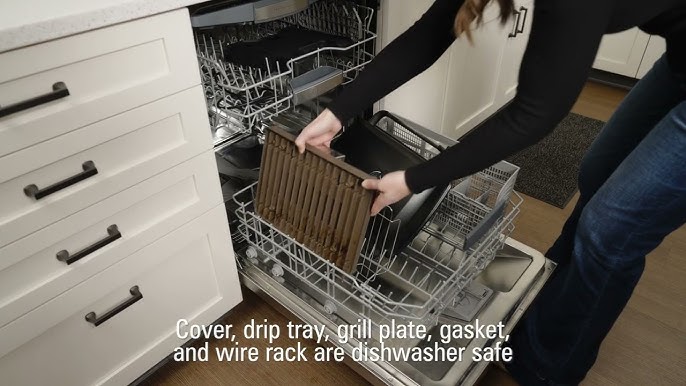
When your grill grates are coated with residue and stubborn grease, you might wonder if the dishwasher could be your secret weapon. After all, it handles dirty dishes effortlessly, so why not grill grates?
You’re not alone in asking this question. Many grill enthusiasts are curious about this quick and seemingly easy solution. But is it really effective, or could it lead to more harm than good? Before you toss those grates in with your plates, let’s uncover the truth.
By the end of this article, you’ll have a clear answer and peace of mind. Plus, you’ll discover some tips and tricks that might surprise you. Ready to find out if your dishwasher is up to the task? Let’s dive in!
Dishwasher And Grill Grates
Cleaning grill grates can be tough and time-consuming. Many wonder if the dishwasher can help. Using a dishwasher might save effort and time. Yet, not all grill grates suit dishwasher cleaning. Understanding the relationship between dishwashers and grill grates is key to keeping your grill in good shape.
Material Types And Compatibility
Grill grates come in various materials. Each reacts differently to dishwasher cleaning.
- Cast Iron:Not dishwasher safe. Water and detergent strip the seasoning. This causes rust and damage.
- Stainless Steel:Usually dishwasher safe. It resists rust and corrosion well.
- Porcelain-Coated:Can be damaged by harsh dishwasher detergents. Coating may chip or peel.
- Chrome-Plated:Avoid dishwashers. Chrome can dull or peel over time.
Check the manufacturer’s instructions. This helps avoid ruining your grill grates.
Potential Risks Of Dishwasher Cleaning
Dishwasher cleaning can harm grill grates in several ways.
- Rusting:Water and detergent may cause rust on some metals.
- Coating Damage:Protective coatings can chip or peel.
- Warping:High heat cycles may warp metal grates.
- Residue Build-Up:Grease and food bits might not fully wash away.
These risks reduce grill life and performance. Knowing these helps protect your investment.
Manual Cleaning Vs Dishwasher
Deciding between manual cleaning and using a dishwasher for your grill grates is more than just a convenience choice. Each method has its own advantages and limitations that can affect how well your grill performs and how long it lasts. Understanding these differences helps you pick the best cleaning strategy that fits your routine and grill type.
Benefits Of Hand Washing
Hand washing grill grates lets you control the cleaning process closely. You can focus on tough spots and remove stuck-on grease with a brush or scraper right away.
Using warm soapy water and a sturdy brush often restores grates better than a dishwasher. It also avoids potential damage from harsh dishwasher detergents or high heat cycles.
Plus, hand washing allows you to inspect the grates for rust or cracks regularly, preventing bigger problems later. Have you noticed how quickly a neglected grate can degrade?
When Dishwasher Cleaning Works
Dishwashers can handle grill grates if they fit well and are dishwasher-safe. This method saves time and effort, especially after light grilling sessions.
Using the dishwasher works best when grates are free of heavy grease and food chunks. A quick rinse before placing them inside helps improve the cleaning results.
However, check the manufacturer’s guidelines. Some metal grates may rust or lose their finish in a dishwasher. Would you risk shortening your grill’s lifespan for convenience?
Preparing Grill Grates For Dishwasher
Preparing grill grates for the dishwasher is essential for a thorough cleaning. Proper preparation removes tough grease and stuck-on food. This helps protect your dishwasher and keeps the grates in good shape. Follow these steps for the best results.
Removing Excess Grease And Food
Start by scraping off large food bits using a grill brush or scraper. Wipe the grates with a paper towel to remove extra grease. This prevents clogging your dishwasher filters. Avoid harsh scrubbing that could damage the grate’s coating.
Pre-soaking Techniques
Fill a large container or sink with warm water and dish soap. Soak the grill grates for 15 to 30 minutes. This softens burnt-on residue and grease. After soaking, use a sponge or soft brush to clean stubborn spots. Rinse well before placing grates in the dishwasher.

Credit: www.familyhandyman.com
Best Dishwasher Settings
Finding the best dishwasher settings for cleaning grill grates can make a huge difference in how well they come out and how long they last. You want to avoid harsh cycles that might damage the metal or leave behind residue. Choosing the right settings ensures your grill grates get clean without any risk.
Choosing The Right Cycle
Look for a gentle or normal wash cycle rather than heavy-duty or pots and pans settings. High temperatures and intense water pressure might warp or chip the coating on your grates. A cycle with a lower temperature and moderate water flow cleans effectively without causing damage.
If your dishwasher has a “sanitize” option, use it sparingly. While it kills bacteria, it can also wear down the surface of your grates over time. Think about whether your grates are made of cast iron, stainless steel, or porcelain-coated metal—each reacts differently to heat and water pressure.
Recommended Detergents
Choose a mild, non-abrasive dishwasher detergent to avoid stripping protective coatings or causing rust. Avoid powders or gels with bleach or strong chemicals that can dull the finish.
Personally, I found that pods designed for delicate items work best with grill grates. They dissolve well and don’t leave a harsh residue. If you prefer liquid detergent, look for one labeled “gentle” or “eco-friendly.”
Have you ever noticed a strange smell or residue after washing your grill grates? That’s often a sign your detergent is too harsh. Try switching to a gentler option and see if that improves the results.
Post-dishwasher Care
After washing grill grates in the dishwasher, taking proper care is essential. This care keeps the grates safe from rust and damage. It also ensures they stay ready for your next barbecue.
Drying And Seasoning Grates
Dry the grates completely right after the dishwasher cycle. Use a clean towel or let them air dry in a warm spot. Wet grates can rust quickly. Once dry, apply a thin layer of cooking oil. This seasoning protects the metal and stops rust. Heat the grates on the grill for 15 minutes to set the oil. This step also improves non-stick properties for cooking.
Preventing Rust And Damage
Rust forms when moisture stays on the metal. Always dry the grates fully after washing. Store them in a dry, covered place to avoid moisture. Avoid harsh scrubbing or metal brushes that scratch the surface. Scratches can lead to rust spots. Use gentle brushes or sponges for cleaning. Regular seasoning after washing adds an extra layer of protection. These simple steps extend the life of your grill grates and keep them looking new.

Credit: www.lambertslately.com
Alternative Cleaning Methods
Cleaning grill grates can be a tough task, especially if you’re unsure whether to toss them in the dishwasher or not. Since dishwashers aren’t always suitable for all types of grill grates, you might want to try some alternative cleaning methods. These options can save your grates from damage while still getting rid of stuck-on food and grease.
Using Grill Brushes
Grill brushes are a classic choice for cleaning grates effectively. A sturdy brush with metal or nylon bristles helps scrape off burnt bits without harming the surface. Make sure to use a brush designed specifically for grills to avoid damaging your grates.
Try brushing your grates while they’re still warm after cooking. This loosens debris and makes scraping easier. Have you ever noticed how much quicker cleanup goes when you don’t wait for the grill to cool completely?
Natural Cleaning Solutions
Natural cleaning solutions offer a gentle yet effective way to clean your grill grates. A simple mixture of vinegar and baking soda can break down grease and burnt residue without harsh chemicals. Spray vinegar on the grates, sprinkle baking soda, then scrub with a sponge or brush after it foams up.
If you prefer something even milder, lemon juice works great for cutting through grease and adding a fresh scent. Soaking grates in warm, soapy water with lemon juice for 15-20 minutes can make scrubbing easier. Have you tried these natural tricks before, or do you usually reach for chemical cleaners?
Expert Tips For Longevity
Keeping grill grates in top shape extends their life and improves cooking. Proper care prevents rust and damage. Follow these expert tips for longevity to protect your investment.
Regular Maintenance Routines
Clean grates after each use to stop food buildup. Use a grill brush with stiff bristles for best results. Apply a light coat of cooking oil to prevent rust. Avoid harsh chemicals that can damage the metal. Check for cracks or warping regularly and replace grates if needed.
Storage Suggestions
Store grates in a dry place to avoid moisture damage. Cover your grill with a weatherproof cover when not in use. Remove grates during long storage to clean and dry separately. Keep them off the ground to reduce dirt and rust risks. Proper storage keeps grates ready for your next cookout.

Credit: www.grillstream.trade
Frequently Asked Questions
Can You Clean Grill Grates In A Dishwasher?
Yes, some grill grates can be cleaned in a dishwasher. However, it depends on the material and size. Stainless steel grates usually work well. Cast iron or porcelain-coated grates are not dishwasher safe. Always check manufacturer instructions before washing.
Will Dishwasher Damage Grill Grates?
Dishwashers can damage certain grill grates. High heat and harsh detergents may cause rust or coating loss. Cast iron grates especially risk damage. Stainless steel grates generally tolerate dishwasher cleaning better. It’s best to verify the grate type before washing.
How To Prepare Grill Grates For Dishwasher Cleaning?
Remove large debris and grease from grates before loading. Soak grates in warm, soapy water to loosen grime. Place grates securely in the dishwasher rack to avoid movement. Use a gentle or heavy-duty cycle based on dirtiness. Avoid dishwasher drying cycles for cast iron.
Are Dishwasher Detergents Safe For Grill Grates?
Most dishwasher detergents are safe for stainless steel grates. Harsh detergents can strip protective coatings on some grates. Avoid detergents with bleach or strong chemicals. Use mild, eco-friendly detergents for delicate or coated grates. Always rinse grates well after washing.
Conclusion
Washing grill grates in a dishwasher is possible but depends on the grate type. Some grates handle dishwashers well, while others may get damaged. Always check the manufacturer’s advice before cleaning. Regular cleaning keeps your grill safe and ready for cooking.
Simple care extends your grill’s life and saves time. Choose the best cleaning method for your grill grate. Clean grates mean better-tasting food and a safer grill experience. Keep your grill in top shape with the right cleaning steps.