Have you ever stood in your kitchen, staring at that pile of dirty pans, and wondered, “Can you wash pans in the dishwasher?” You’re not alone.
This question puzzles many home cooks and even sparks debates among kitchen enthusiasts. You want to make your life easier and save time, but the last thing you want is to damage your beloved cookware. We’ll dive into the dos and don’ts of using a dishwasher for your pans.
You’ll discover what experts say, and learn tips that will keep your pans in pristine condition. Stick with us to find out how you can make your cleaning routine more efficient and worry-free.
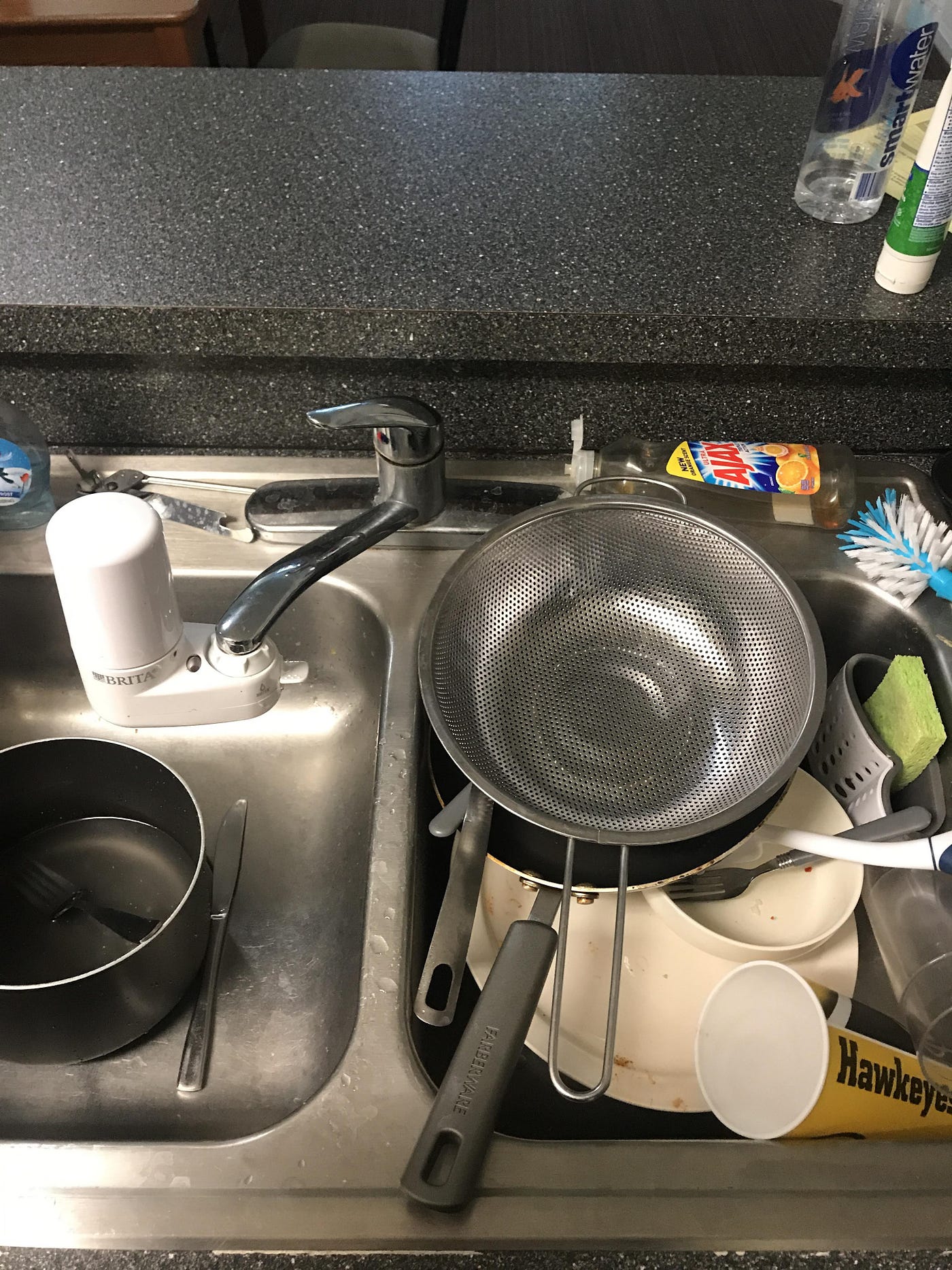
Credit: medium.com
Dishwasher Safety For Pans
Knowing how safe your pans are in the dishwasher helps keep them in good shape. Not all pans handle dishwasher cleaning well. Some materials resist heat and detergents better than others. Understanding these differences protects your cookware and keeps it lasting longer.
Materials That Withstand Dishwashers
Some pans are made to handle dishwasher cycles safely. Stainless steel pans usually do well. They resist rust and hold up against strong detergents. Hard-anodized aluminum pans often stand up to dishwasher cleaning too. Enamel-coated pans can also be safe, but check the manufacturer’s advice.
- Stainless steel pans
- Hard-anodized aluminum pans
- Enamel-coated pans (if dishwasher-safe)
Pans To Avoid In Dishwashers
Certain pans should never go in the dishwasher. Cast iron pans lose their seasoning and rust quickly. Non-stick pans may lose their coating and become less effective. Copper pans can tarnish and change color. Wooden handles or inserts can crack or warp with dishwasher heat.
- Cast iron pans
- Non-stick pans
- Copper pans
- Pans with wooden parts
Effects Of Detergents On Pan Surfaces
Dishwasher detergents can be strong and abrasive. They may dull shiny surfaces over time. Non-stick coatings can break down faster with harsh detergents. Some enamel finishes might chip or fade. Always use mild detergents if possible and avoid bleach or strong chemicals.

Credit: www.foodnetwork.com
Types Of Pans And Cleaning Methods
Different pans need different cleaning methods to keep them in good shape. Some pans handle the dishwasher well, while others don’t. Knowing your pan type helps you choose the right cleaning way. It protects the pan’s surface and keeps it lasting longer.
Nonstick Pans
Nonstick pans have a special coating that stops food from sticking. The dishwasher can damage this coating over time. High heat and strong detergents can make the coating peel or fade. It is better to wash nonstick pans by hand using warm water and mild soap. Use a soft sponge to avoid scratches.
Cast Iron Pans
Cast iron pans need extra care to keep their seasoning. The dishwasher can strip off the seasoning and cause rust. Cleaning cast iron pans with hot water and a brush is best. Avoid soap or harsh detergents. Dry the pan well and apply a thin layer of oil to protect it.
Stainless Steel Pans
Stainless steel pans are tough and dishwasher safe. They handle heat and detergents without damage. Using the dishwasher is fine for stainless steel pans. Still, hand washing can keep them shiny longer. Use a scrubber or brush to remove stuck food.
Aluminum Pans
Aluminum pans can discolor or dull in the dishwasher. The high heat and harsh detergents cause this. Washing aluminum pans by hand preserves their look. Use mild soap and a soft cloth. Avoid abrasive scrubbers that can scratch the surface.
Preparing Pans For Dishwasher
Preparing pans for the dishwasher makes cleaning easier and protects your cookware. Proper preparation prevents damage and ensures better washing results. Follow simple steps to get your pans ready for the dishwasher.
Removing Food Residue
Clear leftover food from pans before placing them in the dishwasher. Use a soft brush or sponge to remove stuck-on bits. Avoid rinsing pans under running water for too long. Large food pieces can block the dishwasher filter and reduce cleaning power.
Proper Loading Techniques
Place pans in the bottom rack of the dishwasher. Position them at an angle to allow water to reach all surfaces. Avoid stacking pans or blocking spray arms. Leave space between items for better water flow and cleaning.
Choosing The Right Dishwasher Cycle
Select a cycle suited for heavy or greasy pans. Use a high-temperature or heavy-duty setting for tough stains. Short or eco-friendly cycles may not clean pans well. Check your dishwasher manual for specific cycle recommendations.
Benefits Of Using Dishwasher For Pans
Using a dishwasher to clean pans offers several benefits beyond simple convenience. It helps save time, ensures a thorough and hygienic wash, and can reduce energy use. These advantages make dishwashers a practical choice for many kitchens.
Time-saving Advantages
Dishwashers clean multiple pans at once. This frees up your time for other tasks. You avoid scrubbing pots and pans by hand. The machine handles tough stains and baked-on food efficiently. This speeds up the cleaning process significantly.
Hygienic Cleaning
Dishwashers use hot water and strong jets to remove germs. This method cleans pans more thoroughly than hand washing. High temperatures kill bacteria and food residues. Your pans come out sanitized and safe for cooking. This reduces the risk of food contamination.
Energy Efficiency
Modern dishwashers use less water than washing by hand. They also heat water more efficiently. Running a full dishwasher cycle uses less energy overall. This helps lower utility bills and saves natural resources. Energy-efficient dishwashers support a greener kitchen routine.
Common Mistakes To Avoid
Washing pans in the dishwasher might seem like a straightforward task, but many people unknowingly make mistakes that can damage their cookware or leave them less clean than expected. Avoiding these common errors can save your pans and improve your dishwasher’s performance. Let’s look at some pitfalls you should watch out for to keep your pans in top shape.
Overloading The Dishwasher
Stuffing too many items into your dishwasher can block water and detergent from reaching all surfaces of your pans. I’ve seen pans come out with stubborn food residue simply because they were crowded between other dishes. Give your pans enough space so water jets can clean every corner effectively.
Think about how you load your dishwasher: Are your pans squished between plates or utensils? Try placing them separately or on the bottom rack where they get better exposure to water and heat.
Using Harsh Detergents
Not all dishwasher detergents are safe for your pans, especially those with non-stick coatings or delicate finishes. Some strong detergents can strip away protective layers or cause discoloration.
If your pans look dull or scratched after washing, consider switching to a milder detergent designed for sensitive cookware. Have you checked the ingredients on your detergent label lately?
Ignoring Manufacturer Instructions
Every pan comes with care guidelines, but many people skip reading them before tossing pans into the dishwasher. I once ruined a beautiful cast iron pan by putting it in the dishwasher because I overlooked the label.
Take a moment to check your pan’s manual or manufacturer website. Sometimes, hand washing is the only safe option. Are you risking your pans by ignoring these important instructions?

Credit: www.tasteofhome.com
Alternative Cleaning Tips For Pans
Not all pans are dishwasher-friendly, and sometimes using the machine can dull or damage your cookware. Luckily, there are effective alternative ways to keep your pans clean and in great shape. These tips help you avoid harsh dishwasher cycles while still removing grime and stains efficiently.
Handwashing Techniques
Start with warm, soapy water and a soft sponge or cloth to gently clean your pans. Avoid abrasive scrubbers that can scratch the surface, especially on non-stick or delicate materials.
If food is stuck, let the pan soak for 10-15 minutes before scrubbing. Adding a few drops of dish soap directly to the water helps break down grease faster.
Have you tried using a mix of baking soda and water as a mild abrasive? It’s great for scrubbing without damaging your pans.
Deep Cleaning Stubborn Stains
For tough stains or burnt-on food, sprinkle baking soda over the affected area and add a little water to form a paste. Let it sit for 20-30 minutes, then scrub gently with a sponge.
White vinegar is another powerful cleaner. Pour some into the pan, heat it for a few minutes, and then wipe away the residue once it cools.
Do you keep your pan’s cleaning supplies handy for quick touch-ups? Regularly tackling stains prevents buildup that’s harder to remove later.
Maintaining Pan Longevity
Always dry your pans thoroughly after washing to prevent rust, especially on cast iron or carbon steel. Moisture left behind can cause damage over time.
Avoid using metal utensils or harsh chemicals that can wear down the pan’s surface. Instead, opt for wooden or silicone tools during cooking and cleaning.
Think about seasoning your pans regularly if they’re cast iron. This simple step builds a natural non-stick layer and protects against rust.
Frequently Asked Questions
Can All Types Of Pans Go In The Dishwasher?
No, not all pans are dishwasher-safe. Nonstick, cast iron, and aluminum pans may get damaged. Always check the manufacturer’s instructions before washing.
Does Dishwasher Use Affect Pan Longevity?
Yes, dishwasher detergent and high heat can wear pans out faster. Hand washing helps maintain their coating and structure longer.
How To Wash Pans Safely In A Dishwasher?
Place pans securely to avoid scratches. Use mild detergent and avoid high heat drying. Remove immediately to prevent water spots.
Are Stainless Steel Pans Dishwasher-safe?
Most stainless steel pans are dishwasher-safe. However, repeated washing may dull the finish. Hand washing extends their shine and durability.
Conclusion
Pans can sometimes go in the dishwasher, but not all types. Check the label or manufacturer’s advice first. Some pans lose their coating or get damaged from strong water jets. Hand washing keeps pans safe and lasts longer. Use warm water and mild soap for best results.
Avoid harsh scrubbing to protect the surface. Remember, gentle care helps pans stay in good shape. Choose the right cleaning method for your pans every time. This keeps your kitchen tools working well and looking nice.