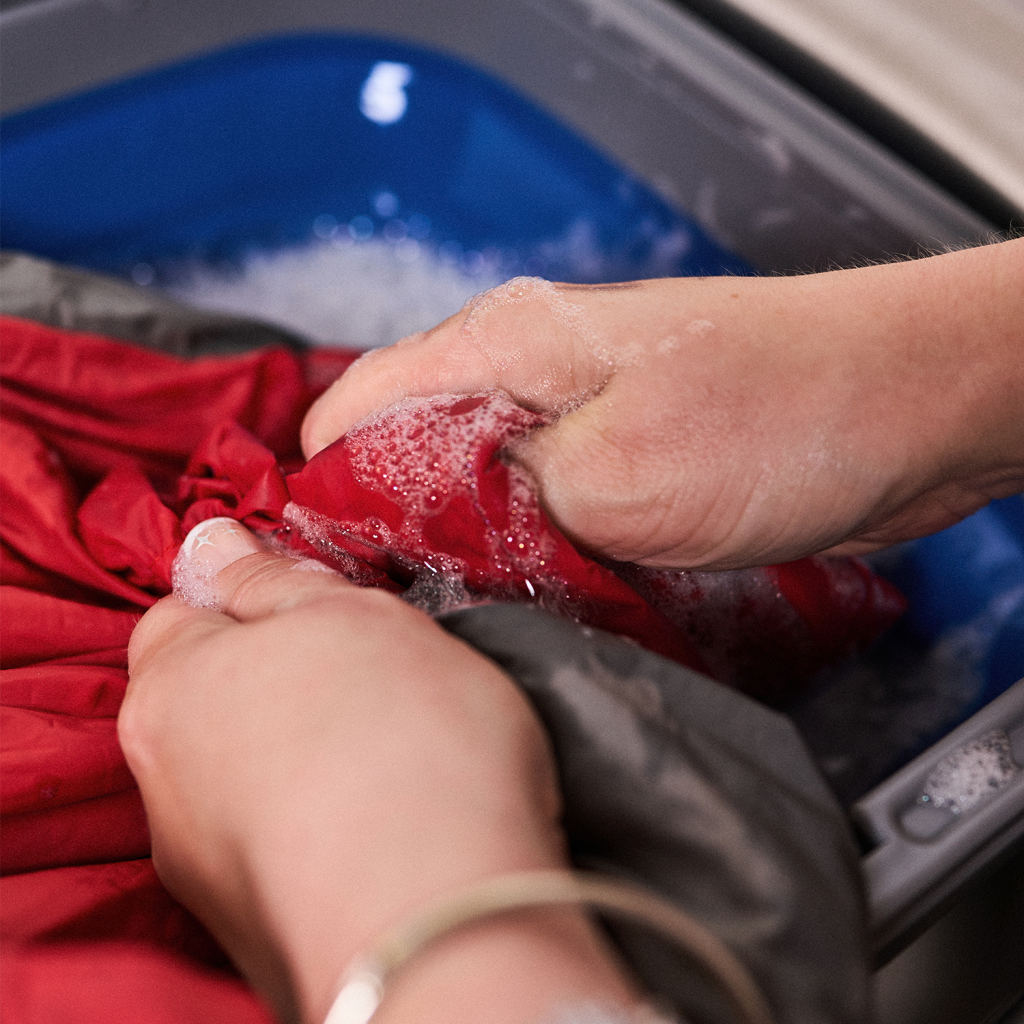
Have you ever wondered if you can wash your sleeping bag in the washing machine without ruining it? You want your sleeping bag to stay fresh and clean, but the thought of damaging it or losing its warmth can be worrying.
What if there was a simple way to keep your gear ready for your next adventure? You’ll discover the best tips and tricks to safely wash your sleeping bag at home. Keep reading to learn how to protect your investment and enjoy a cozy, clean sleep every time.
Washing Machine Suitability
Cleaning a sleeping bag is important to keep it fresh and ready for use. Many people wonder if they can wash sleeping bags in a washing machine. The answer depends on the type of sleeping bag and its materials.
Using a washing machine can save time and effort. But you must check if your sleeping bag is machine washable. This helps avoid damage and keeps the bag in good shape.
Types Of Sleeping Bags
Sleeping bags come in different types based on their filling. The most common types are down-filled and synthetic-filled sleeping bags. Each type needs special care during washing.
Down sleeping bags use natural feathers for warmth. They are lightweight and compress well. Synthetic sleeping bags use man-made fibers. They work better when wet and dry faster.
- Down sleeping bags: warm, lightweight, compressible
- Synthetic sleeping bags: water-resistant, quick-drying
Machine Washing Compatibility
Most synthetic sleeping bags are safe to wash in a machine. Use a gentle cycle with cold water. Avoid harsh detergents and fabric softeners.
Down sleeping bags need more care. Some can be machine washed on delicate settings. Use special down detergent and rinse well. Always check the care label before washing.
- Synthetic bags: usually machine washable on gentle cycle
- Down bags: machine wash only if label allows; use down-specific detergent
- Use cold water and mild detergent
- Avoid high spin speeds and fabric softeners
- Dry sleeping bags thoroughly, preferably air dry or low heat
Preparing Your Sleeping Bag
Washing your sleeping bag helps keep it clean and fresh. Proper preparation makes sure it stays safe and lasts longer.
Before putting your sleeping bag in the washing machine, you need to get it ready. This helps protect the fabric and filling.
Check Care Labels
Look for the care label on your sleeping bag. It shows important cleaning instructions from the maker.
Follow the label’s advice about water temperature, washing method, and drying. Some bags need special care.
Remove Loose Dirt And Debris
Shake your sleeping bag outside to get rid of dust and dirt. Use a soft brush if needed.
Removing loose debris stops dirt from spreading in the washing machine. It also protects the fabric.
Close Zippers And Fastenings
Zip up all zippers and close any Velcro or buttons. This keeps the bag’s shape during washing.
Closed fastenings stop damage to the sleeping bag and washing machine drum. They also help protect other clothes.
Choosing The Right Detergent
Washing your sleeping bag in a machine needs the right detergent. The detergent can protect the fabric and insulation.
Picking a gentle detergent helps keep the sleeping bag soft and warm for many trips.
Avoid Harsh Chemicals
Harsh chemicals can damage the sleeping bag’s fabric and fill. They may strip natural oils and reduce loft.
Choose detergents without bleach, fabric softeners, or strong fragrances. These can harm the bag’s material.
- No bleach or chlorine
- No fabric softeners
- No strong perfumes or dyes
- Look for “gentle” or “mild” on the label
Use Specialized Cleaners
Specialized cleaners are made for outdoor gear like sleeping bags. They clean well without damage.
These cleaners keep the insulation fluffy and the shell fabric strong. They also help keep water resistance.
- Look for cleaners made for down or synthetic fills
- Use only the amount recommended on the label
- These cleaners avoid residue build-up
- They help maintain warmth and comfort

Credit: www.halfwayanywhere.com
Selecting The Best Wash Cycle
Washing sleeping bags in a machine needs care to protect their material. Choosing the right wash cycle helps keep your sleeping bag safe and clean.
A wrong cycle can damage the insulation or fabric. Use gentle settings to keep your sleeping bag fluffy and warm.
Gentle Or Delicate Cycle
Use the gentle or delicate cycle to avoid rough washing. This cycle moves the bag slowly and carefully.
It protects the fabric and filling from tearing or clumping. This is the safest choice for most sleeping bags.
- Reduces wear and tear
- Prevents damage to stitching
- Keeps insulation evenly spread
Water Temperature Settings
Choose cold or warm water to wash your sleeping bag. Hot water can harm the fabric and insulation.
Cold water is best for most sleeping bags. Warm water works only if the care label allows it.
- Cold water saves colors and fabric strength
- Warm water removes dirt but may reduce insulation
- Avoid hot water to prevent shrinking or damage
Drying Techniques
Drying your sleeping bag properly helps keep it in good shape. The right drying method keeps the insulation fluffy and working well.
Choosing the right drying technique depends on your sleeping bag type and the tools you have at home. Here are some tips for air drying and using a dryer safely.
Air Drying Tips
Air drying is gentle and helps avoid damage from heat. It takes longer but protects your sleeping bag’s material and insulation.
Hang the sleeping bag in a shady, well-ventilated place. Avoid direct sunlight to stop fabric fading and damage.
- Use a wide, sturdy hanger or lay flat on a clean surface
- Turn the bag regularly to dry all sides evenly
- Make sure it is completely dry before storing to prevent mold
Using A Dryer Safely
You can use a dryer if your sleeping bag label says it is safe. Use a low heat setting to protect the insulation and fabric.
Add clean tennis balls or dryer balls to the dryer. They help keep the insulation fluffy by breaking up clumps during drying.
- Set dryer to low heat or air fluff mode
- Check the sleeping bag every 30 minutes to avoid overheating
- Remove the bag while slightly damp and air dry the rest

Credit: alpkit.com
Common Mistakes To Avoid
Washing sleeping bags in a washing machine can be tricky. Many people make mistakes that damage their bags or machines.
Knowing what to avoid helps keep your sleeping bag clean and safe. Here are some common errors to watch out for.
Overloading The Machine
Putting a sleeping bag in a full washing machine can cause problems. The bag needs enough space to move around freely.
Overloading can lead to poor cleaning and may hurt the washing machine’s motor. It also can damage the sleeping bag’s insulation.
- Use a large-capacity washer if possible
- Wash the bag alone or with very few items
- Check the machine’s load limit before starting
Skipping Pre-wash Care
Not preparing your sleeping bag before washing can cause stains to set and damage the fabric. Always inspect your bag first.
Remove dirt and debris by shaking or brushing it off. Spot clean any stains with a gentle soap before putting it in the washer.
- Close all zippers and Velcro to avoid snagging
- Check care labels for washing instructions
- Use a gentle detergent made for delicate fabrics
Maintaining Sleeping Bag Longevity
Sleeping bags need care to last many camping trips. Washing and storing them right helps keep their warmth and shape. Knowing the best ways to clean and store your sleeping bag protects your investment.
Following a regular cleaning schedule and proper storage practices will extend your sleeping bag’s life. Learn simple tips to keep it fresh and fluffy.
Regular Cleaning Schedule
Cleaning your sleeping bag too often can damage its insulation. Clean it only when needed and follow these steps to keep it in good shape.
- Spot clean small stains with mild soap and water.
- Air out the sleeping bag after each use to reduce odors.
- Wash it in a front-loading washing machine on a gentle cycle.
- Use a special down cleaner or mild detergent for synthetic bags.
- Rinse thoroughly to remove all soap residue.
- Dry completely in a large dryer with tennis balls to restore loft.
Proper Storage Practices
How you store your sleeping bag affects its insulation and fabric. Avoid compressing it for long periods to keep the loft intact.
| Storage Method | Effect on Sleeping Bag | Tip |
| Hanging in a closet | Maintains loft and shape | Use a wide hanger |
| Loose storage in a large cotton sack | Protects from dust and moisture | Store in a dry place |
| Compressed in a stuff sack | Reduces loft and damages insulation | Use only for transport |

Credit: www.familyhandyman.com
Frequently Asked Questions
Can You Wash All Sleeping Bags In A Washing Machine?
Not all sleeping bags are machine washable. Check the care label first. Some require hand washing or professional cleaning to preserve materials and insulation.
What Washing Machine Settings Are Best For Sleeping Bags?
Use a front-loading machine with a gentle cycle and cold water. Avoid high spin speeds to protect insulation and fabric from damage.
Which Detergent Is Safe For Washing Sleeping Bags?
Use a mild, non-detergent cleaner designed for down or synthetic materials. Avoid bleach and fabric softeners, as they can harm the insulation.
How Often Should You Wash A Sleeping Bag?
Wash your sleeping bag once or twice per season, or after heavy use. Over-washing can degrade insulation and fabric quality over time.
Conclusion
Washing sleeping bags in a machine is often safe. Check the label first. Use gentle cycles with mild detergent. This keeps the fabric intact. Dry bags thoroughly to avoid mold. Air drying is the best option. Proper care ensures longer-lasting sleeping bags.
Clean bags enhance your outdoor experience. Freshness and hygiene make camping more enjoyable. Follow these simple tips to maintain your gear. Happy camping and cozy nights await!