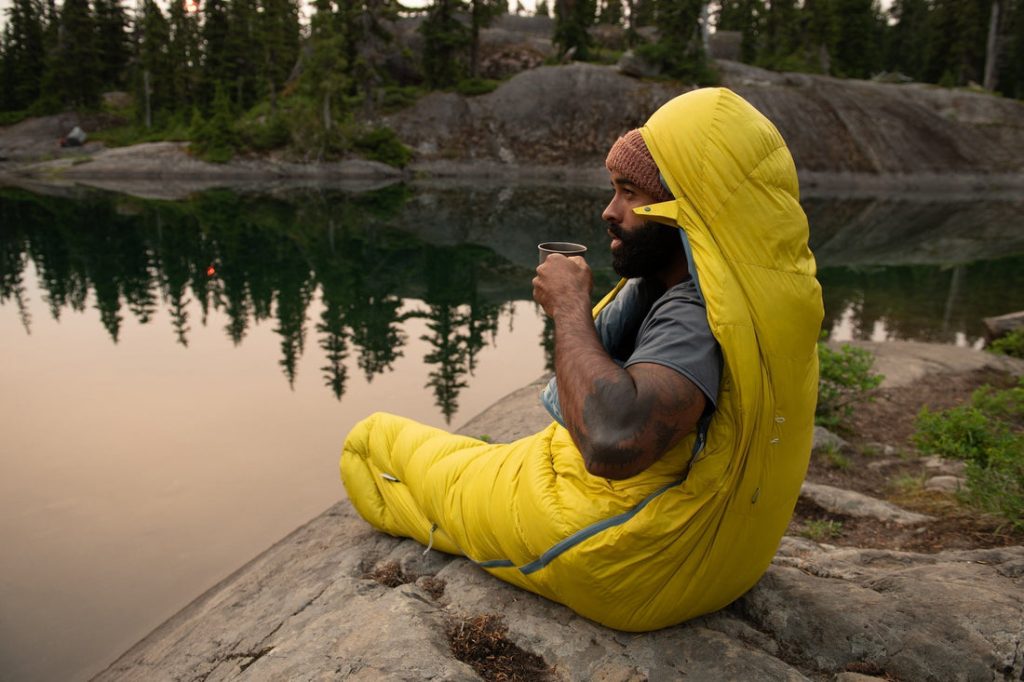
Have you ever wondered if you can wash your sleeping bag without ruining it? If you’re like most people, your sleeping bag is your trusty companion on camping trips, weekend getaways, or even just backyard sleepovers.
But over time, it collects dirt, sweat, and odors that make it less comfortable—and maybe even less safe to use. So, how do you clean it properly? Can you toss it in the washing machine, or do you need special care?
Keep reading to discover easy, effective ways to freshen up your sleeping bag and keep it feeling like new for many adventures to come.
Why Washing Matters
Sleeping bags get dirty over time from sweat, dirt, and outdoor elements. Washing them keeps them clean and fresh for your next trip.
Regular washing helps keep your sleeping bag in good shape. It also protects the materials inside that keep you warm.
Hygiene And Comfort
Sleeping bags hold sweat, skin cells, and dirt after use. Washing removes these germs and keeps your bag safe to use.
A clean sleeping bag feels softer and smells better. It makes sleeping outdoors more comfortable.
Maintaining Insulation
The insulation inside sleeping bags traps heat to keep you warm. Dirt and oils can damage this insulation.
Washing your sleeping bag carefully protects the insulation. This helps it stay fluffy and warm for longer.
Preventing Odors And Damage
Without washing, sleeping bags can develop bad smells from sweat and bacteria. These odors make camping unpleasant.
Washing also removes dirt that can wear down the fabric. Clean bags last longer and keep you cozy.

Credit: us.alpkit.com
When To Wash Your Sleeping Bag
Sleeping bags protect you from dirt and moisture during outdoor trips.
Knowing when to wash them keeps them clean and working well.
Signs It Needs Cleaning
Your sleeping bag shows clear signs when it needs cleaning.
- Unpleasant odors that do not go away
- Visible stains or dirt on the fabric
- Loss of loft or fluffiness in the insulation
- Sticky or damp spots inside the bag
- Allergy symptoms triggered after use
Frequency Recommendations
How often you wash your sleeping bag depends on use and care.
| Use Frequency | Washing Interval |
| Occasional trips | Once every 3 to 4 trips |
| Frequent use | After every 1 to 2 trips |
| Indoor storage only | Once per season |
| Wet or muddy conditions | Wash immediately after use |
Washing Methods
Sleeping bags need cleaning after many uses. Dirt and sweat build up inside them. Washing keeps them fresh and safe to use.
There are two main ways to wash sleeping bags. You can use a washing machine or wash by hand. Both ways work well if done right.
Machine Washing Tips
Use a front-loading washing machine if possible. Top loaders with agitators can damage the sleeping bag. Set the machine to a gentle cycle with cold water.
Put the sleeping bag in alone or with a few towels. This helps balance the load. Avoid using fabric softeners because they can harm the bag’s insulation.
- Use a gentle or delicate cycle
- Wash in cold water only
- Balance the load with towels
- Skip fabric softeners
- Use a large capacity washer if possible
Hand Washing Steps
Fill a bathtub or large basin with cold water. Add a small amount of gentle detergent. Submerge the sleeping bag fully.
Gently squeeze and press the bag to move water through it. Avoid twisting or wringing. Let it soak for 15 to 30 minutes.
- Fill tub with cold water
- Add mild detergent
- Submerge sleeping bag completely
- Gently press to clean
- Soak for 15-30 minutes
- Rinse thoroughly with cold water
- Press out water gently
Using The Right Detergents
Choose detergents made for delicate fabrics or outdoor gear. Regular detergents can damage the insulation and fabrics.
Do not use bleach or strong chemicals. These can break down the materials and reduce warmth. Use only a small amount of detergent.
- Use mild or specialized detergent
- Avoid bleach and harsh chemicals
- Use small detergent amounts
- Choose detergent safe for down or synthetic fill
Drying Techniques
Drying your sleeping bag correctly keeps it warm and fluffy. Wet sleeping bags can lose their insulation and smell bad. Using the right drying methods helps your bag last longer.
There are two main ways to dry a sleeping bag after washing: air drying and using a dryer safely. Each method has tips to protect the fabric and fill inside the bag.
Air Drying Best Practices
Air drying is gentle and saves energy. It takes longer but keeps your sleeping bag in good shape. Follow these tips for best results.
- Find a shaded, well-ventilated spot to hang your sleeping bag.
- Use a large clothesline or drying rack to spread the bag evenly.
- Turn the bag over every few hours to dry both sides well.
- Do not hang the bag by loops only; support the whole bag to avoid stress on the fabric.
- Allow at least 24 hours for complete drying before storing the bag.
Using A Dryer Safely
Dryers can speed up drying but may damage your sleeping bag if not used carefully. Follow these rules to avoid harm.
| Dryer Setting | Reason |
| Low Heat or Air Fluff | Prevents melting or shrinking of fabric |
| Use Dryer Balls or Tennis Balls | Keeps insulation from clumping |
| Check Bag Often | Stops overheating and damage |
| Do Not Overload Dryer | Allows even drying and reduces stress on bag |
Storage Tips After Cleaning
Keeping your sleeping bag in good shape after cleaning is important. Proper storage helps it last longer and stay fresh.
Follow simple tips to avoid damage and keep your sleeping bag ready for your next trip.
Proper Folding And Packing
Folding and packing your sleeping bag the right way prevents damage to the insulation. Avoid tight compression that can reduce its warmth.
- Use a large, breathable storage sack instead of the small stuff sack.
- Fold or loosely roll the sleeping bag to avoid crushing the filling.
- Store it in a cool, dry place away from direct sunlight.
- Hang the sleeping bag in a closet or lay it flat on a shelf if possible.
Avoiding Mold And Mildew
Moisture left in your sleeping bag can cause mold and mildew. This damages the fabric and causes bad smells.
| Tip | Reason |
| Dry completely before storing | Prevents moisture buildup |
| Store in a breathable bag | Allows air circulation |
| Keep away from damp areas | Reduces risk of mold growth |
| Air out regularly | Keeps sleeping bag fresh |

Credit: www.halfwayanywhere.com
Special Care For Different Materials
Sleeping bags need different care depending on their material. Washing them properly helps keep them warm and fluffy.
This guide explains how to wash down and synthetic sleeping bags safely.
Down Sleeping Bags
Down bags use feathers for insulation. These feathers can clump if washed wrong. Use a gentle cleaner made for down. Avoid fabric softeners and bleach.
- Use cold water and gentle cycle
- Rinse twice to remove soap fully
- Dry with tennis balls to keep fluff
- Dry completely to stop mold
Synthetic Sleeping Bags
Synthetic bags dry faster and resist water better than down. They also handle machine washing well.
| Washing Tip | Details |
| Water Temperature | Warm or cold water works |
| Detergent | Use mild soap, no bleach |
| Drying | Air dry or tumble dry low |
| Washing Frequency | Wash only when dirty |
Common Mistakes To Avoid
Washing sleeping bags keeps them fresh and extends their life. Many people make mistakes that can damage the bag. Learning what to avoid helps protect your gear.
Below are common errors when washing sleeping bags. Avoid these to keep your bag clean and safe.
Using Harsh Chemicals
Strong detergents and bleach can harm the fabric and insulation inside the bag. These chemicals break down materials and reduce warmth.
- Do not use bleach or fabric softeners.
- Choose mild, non-detergent soap made for technical fabrics.
- Use cold or lukewarm water for washing.
- Rinse thoroughly to remove all soap.
Improper Drying
Drying the sleeping bag the wrong way can cause damage. Heat and moisture trapped in the bag ruin the insulation and fabric.
| Drying Method | Do | Don’t |
|---|---|---|
| Air Drying | Lay flat in shade with good airflow | Hang in direct sunlight |
| Tumble Drying | Use low heat with dryer balls | Use high heat or no dryer balls |
| Storage | Store loosely in a large bag | Keep compressed or damp |
Ignoring Care Labels
Care labels have important instructions specific to your sleeping bag. Ignoring them can void warranties and cause damage.
Follow these tips from care labels:
- Check washing temperature limits
- Use recommended detergents only
- Follow drying instructions closely
- Note if the bag needs professional cleaning
:max_bytes(150000):strip_icc():format(jpeg)/GettyImages-1045696534-691fa52153de436bb73d12afb5d1fdcf.jpg)
Credit: www.yahoo.com
Frequently Asked Questions
Can You Wash Sleeping Bags In A Washing Machine?
Yes, most synthetic sleeping bags can be machine washed on a gentle cycle. Use mild detergent and cold water. Avoid fabric softeners to preserve insulation and water resistance.
How Often Should You Wash A Sleeping Bag?
Wash your sleeping bag after every 3 to 5 uses or when visibly dirty. Frequent washing can reduce insulation, so spot clean when possible.
Is It Safe To Use Detergent On Sleeping Bags?
Use a mild, non-detergent cleaner designed for outdoor gear. Regular detergents can damage insulation and water-repellent coatings.
Can Washing A Sleeping Bag Damage Its Insulation?
Improper washing can clump insulation or reduce loft. Use gentle methods and proper cleaners to maintain warmth and durability.
Conclusion
Washing sleeping bags keeps them fresh and lasts longer. Use gentle soap and cold water to protect materials. Dry bags fully before storing to avoid mold and smell. Follow care instructions to keep warmth and softness. Clean bags after many uses or spills.
A clean sleeping bag means better sleep outdoors. Simple steps help your gear stay ready for adventures. Take care, and your sleeping bag will serve you well.