Have you ever wondered if you can wash your wooden cutting board like any other kitchen tool? You might be worried about ruining its surface or making it less safe for food.
The truth is, how you clean your wooden cutting board matters more than you think. Getting it right can keep your board looking great and protect your health. Keep reading to discover the best ways to wash and care for your wooden cutting boards so they last longer and stay safe for every meal you prepare.
Why Clean Wooden Boards Carefully
Wooden cutting boards need careful cleaning to stay safe and last longer. Wood can absorb liquids and germs if not cleaned right.
Cleaning wooden boards well keeps your food healthy and stops bad smells or stains.
Avoid Water Damage
Wood can soak up water and swell or crack. Too much water can ruin the board’s surface.
Dry wooden boards quickly after washing to keep them strong and safe.
Prevent Bacteria Growth
Wood can trap bacteria in tiny cracks. Proper cleaning kills germs and stops sickness.
- Use hot water and mild soap
- Rinse well to remove soap and food bits
- Dry the board fully after washing
- Apply food-safe oil to protect wood
Keep Wood From Cracking
Cleaning wooden boards gently prevents cracks. Cracks can hold dirt and germs.
Use Natural Cleaners Safely
Vinegar and lemon can clean and freshen wooden boards. They kill bacteria without harming wood.
| Cleaner | Effect |
| White Vinegar | Kills germs, deodorizes |
| Lemon Juice | Removes stains, fresh scent |
| Baking Soda | Gentle scrub, removes odors |

Credit: ca.style.yahoo.com
Daily Cleaning Methods
Wooden cutting boards need special care to stay clean and last long. Daily cleaning keeps them safe from germs and damage.
Using the right cleaning methods helps keep the wood strong and prevents cracks or warping. Learn how to clean wooden boards properly.
Hand Washing Best Practices
Always wash wooden cutting boards by hand using warm water and mild soap. This helps remove food particles and bacteria.
Use a soft sponge or cloth to clean the board gently. Rinse it well to remove all soap residues.
- Use warm, soapy water
- Scrub gently with a soft sponge
- Rinse thoroughly with clean water
- Dry the board with a clean towel right away
Avoiding Soaking And Dishwasher Use
Do not soak wooden cutting boards in water. Soaking causes the wood to swell and crack over time.
Avoid putting wooden boards in the dishwasher. The heat and water can damage the wood and ruin the board.
- Never leave the board submerged in water
- Keep the board away from dishwasher cycles
- Dry the board immediately after washing
- Store the board in a dry, upright position
Deep Cleaning Techniques
Wooden cutting boards need special care to stay clean and safe. Deep cleaning helps remove germs and stains.
This guide shows simple ways to clean your wooden board using natural ingredients.
Using Salt And Lemon
Salt and lemon work well to clean and freshen wooden boards. The salt scrubs off dirt and stains.
The lemon adds a natural scent and helps kill bacteria.
- Sprinkle coarse salt over the board
- Cut a lemon in half and rub it on the salt
- Scrub the board using the lemon and salt
- Let it sit for 5 minutes to soak
- Rinse with warm water and dry well
Baking Soda And Vinegar Solutions
Baking soda and vinegar clean deeply and remove odors. Baking soda acts as a gentle scrub.
Vinegar kills bacteria and helps dissolve stains and smells.
- Sprinkle baking soda on the board surface
- Spray or pour white vinegar over the baking soda
- Let the mixture bubble and sit for 10 minutes
- Scrub the board gently with a sponge or brush
- Rinse with warm water and dry completely
Drying And Maintenance Tips
Wooden cutting boards need special care to last long. Proper drying and regular maintenance keep them safe and strong.
Without good drying and care, wood can crack or grow mold. Follow these tips to keep your board in top shape.
Proper Drying To Prevent Damage
After washing, dry your wooden cutting board immediately. Let it air dry standing up to avoid water pooling.
Never soak the board in water or put it in a dishwasher. Too much water causes wood to swell and crack.
- Dry board with a clean towel after washing
- Stand board on edge to let air circulate
- Avoid direct sunlight or heat sources
- Do not leave wet boards in flat position
Regular Oiling For Longevity
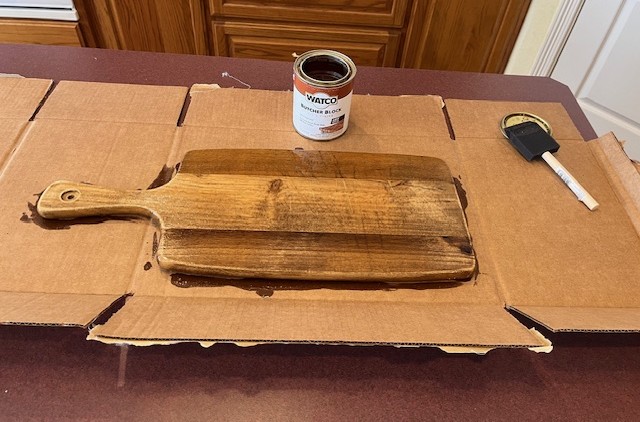
Oiling your wooden board keeps it from drying out and cracking. Use food-safe mineral oil for best results.
Apply oil once every few weeks or when the wood looks dry. Rub the oil in and let it soak overnight.
- Use a clean cloth to apply mineral oil
- Cover all surfaces evenly with oil
- Let board absorb oil for at least 8 hours
- Wipe off excess oil before use
Signs To Replace Your Wooden Board
Wooden cutting boards can last for years with care. But some signs mean it is time to get a new board. Knowing these signs helps keep your kitchen safe and clean.
Damaged boards can hide bacteria and affect food safety. Watch for these signs to know when to replace your wooden cutting board.
Deep Cracks And Splits
Small cuts are normal from use. But deep cracks or splits can trap food and germs. These cracks are hard to clean well.
If your board has large cracks or splits, it can no longer be safe to use. Replace it to keep your food clean.
Warping Or Bowing
Wood can warp or bend from water or heat. A warped board does not sit flat on your counter. It can be hard to chop safely.
When your board warps or bows, it is time to replace it. This keeps your cutting surface stable and safe.
Foul Odors That Don’t Go Away
Wood absorbs smells from foods. Normal odors fade after washing. But if bad smells stay, it means bacteria may be inside.
Persistent bad odors are a sign to replace your wooden board. This helps keep your kitchen fresh and safe.
Surface Stains Or Discoloration
Stains or dark spots on your board can mean mold or bacteria growth. These stains may not come off with cleaning.
If your board shows stains or discoloration, think about replacing it. Clean surfaces reduce the risk of food contamination.
Rough Or Splintered Surface
Over time, wooden boards can become rough or splintered. This can hurt your hands and trap food bits.
A rough surface is hard to clean well. Replace your board if it feels splintery or rough to the touch.

Credit: www.reddit.com

Credit: www.reddit.com
Frequently Asked Questions
How Do You Clean Wooden Cutting Boards?
Clean wooden cutting boards with warm water and mild dish soap. Avoid soaking them. Scrub the board gently with a brush or sponge, then rinse thoroughly. Dry immediately with a clean towel. For extra care, apply food-grade mineral oil occasionally to keep the wood in good condition.
Can You Put Wooden Cutting Boards In The Dishwasher?
No, avoid putting wooden cutting boards in the dishwasher. The heat and moisture can warp and crack the wood. Hand wash with mild soap and water instead. Always dry immediately after washing to prevent damage. Regular maintenance will extend the life of your wooden cutting board.
How To Remove Stains From Wooden Cutting Boards?
To remove stains, sprinkle coarse salt on the board. Rub with a halved lemon to lift stains and odors. Rinse with warm water and dry immediately. Baking soda paste can also help. Apply, scrub gently, and rinse. Regular cleaning prevents stains from setting in.
Do Wooden Cutting Boards Harbor Bacteria?
Wooden cutting boards are naturally antibacterial. The porous surface absorbs bacteria, trapping it until it dies. Proper cleaning with soap and water removes most bacteria. Avoid cross-contamination by using separate boards for meat and vegetables. Regular oiling prevents cracks where bacteria can hide.
Conclusion
Wooden cutting boards need gentle care to last long. Wash them with warm, soapy water right after use. Avoid soaking or using a dishwasher, as wood can crack. Dry boards quickly to stop germs from growing. Regular oiling keeps wood strong and prevents drying out.
Clean boards stay safe and look great in your kitchen. Simple steps make a big difference for wooden cutting boards. Keep these tips in mind to enjoy your board every day.