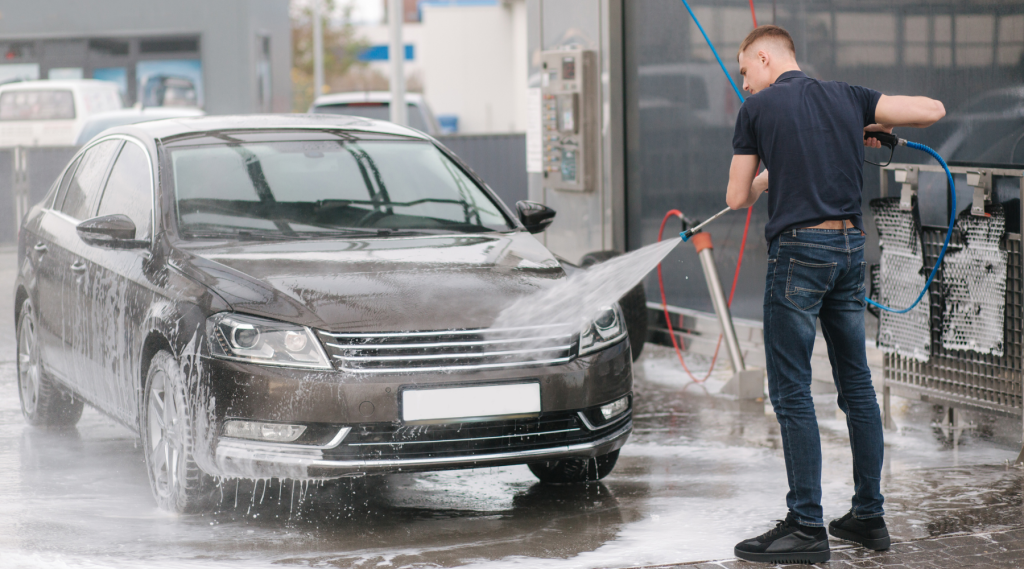
Have you ever wondered if washing your car too often could actually harm it? You want your car to look shiny and new, but is there such a thing as cleaning it too much?
You might be surprised to learn that washing your car too frequently can sometimes cause more damage than good. You’ll discover how often you should really wash your car to keep it looking great without risking scratches, paint wear, or other issues.
Keep reading to find out the best way to care for your car’s finish and save yourself time and money in the long run.

Credit: www.usatoday.com
Why Frequent Washing Raises Concerns
Frequent car washing might seem like a good idea to keep your vehicle shiny. Yet, washing too often can cause some problems. It can affect your car’s paint, protective layers, and even the environment. Understanding these concerns helps you care for your car better.
Impact On Car Paint
Car paint can wear down with too much washing. Each wash scrubs the surface, which can create tiny scratches. Over time, these scratches dull the paint’s shine. Harsh soaps and rough cloths speed up damage. Paint chips and fading may appear faster than usual.
Effect On Protective Coatings
Many cars have wax or sealants to protect the paint. Frequent washing can strip these coatings away. Without protection, paint is open to dirt and damage. Reapplying wax often can be costly and time-consuming. Over-washing reduces the coating’s lifespan and weakens its defense.
Water Usage And Environmental Effects
Car washing uses a lot of water. Washing too often increases water waste significantly. Water runoff carries soap, dirt, and chemicals into drains. These pollutants harm local water supplies and wildlife. Using water wisely helps protect the environment and saves money.
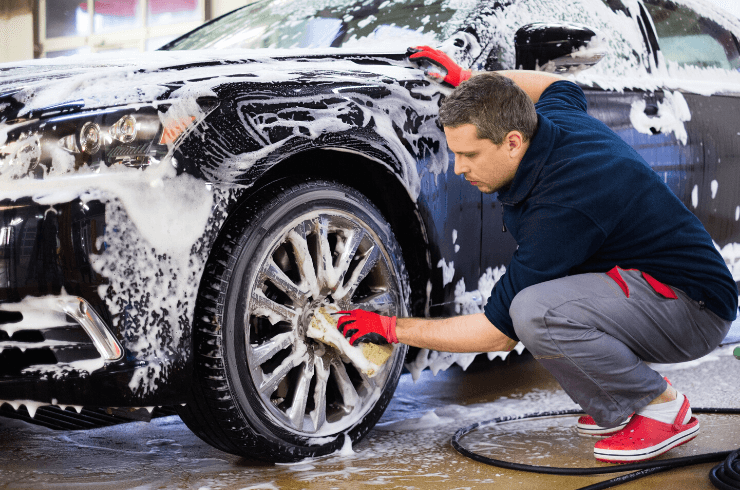
Credit: www.washdoctors.co.uk
Benefits Of Regular Car Washing
Regular car washing offers many benefits beyond just a clean look. It protects the vehicle’s surface and keeps it in good shape. Washing your car often helps avoid damage and costly repairs. It also keeps the car looking fresh and attractive over time.
Preventing Dirt Build-up
Dirt, dust, and grime can stick to your car’s paint. Over time, this build-up can cause scratches and damage. Washing removes harmful particles before they cause harm. It also prevents rust by removing salt and moisture.
Maintaining Vehicle Value
Keeping a car clean helps maintain its resale value. A well-kept exterior shows care and attention. Buyers prefer cars that look neat and well maintained. Regular washing can protect your investment and keep the value steady.
Enhancing Appearance
A clean car always looks newer and more attractive. Washing removes stains and spots that dull the paint. It brightens the color and improves shine. A fresh look can boost your confidence while driving.
Signs You’re Washing Too Much
Washing your car too often can harm its appearance and finish. Knowing the signs helps protect your vehicle. Watch for changes that suggest over-washing. These issues affect your car’s paint and protection layers.
Paint Surface Damage
Frequent washing can strip away the clear coat on your car’s paint. This layer protects the color beneath. Without it, paint fades and dulls quickly. Look for areas that seem rough or faded. Peeling or cracking paint also signals damage.
Wax And Sealant Wear
Car wax and sealants create a shield against dirt and water. Washing your car too much removes these protective layers. Your vehicle loses its shine and becomes vulnerable. If water no longer beads on the surface, wax might be gone.
Increased Scratches
Washing too often can cause more scratches on your car’s surface. Dirt and dust rubbing during washes wear down the paint. Using rough cloths or sponges worsens this problem. Check for fine lines or swirl marks on the paint.

Credit: www.usatoday.com
Ideal Washing Frequency By Conditions
Knowing the ideal washing frequency for your car depends largely on where and how you drive. Different environments and weather conditions affect your car’s exterior in unique ways. Adjusting your washing routine based on these factors helps protect your vehicle’s paint and keeps it looking its best without overdoing it.
Urban Vs Rural Areas
If you live in an urban area, your car faces pollution, dirt, and grime from heavy traffic daily. These contaminants can build up quickly, so washing your car every one to two weeks is often necessary to prevent damage and maintain shine.
On the other hand, rural areas expose vehicles to dust, mud, and sometimes plant sap. Here, washing once every two to three weeks may be enough unless you’ve been off-roading or driving on muddy roads. Have you noticed how dust settles differently depending on your location?
Seasonal Considerations
Seasons drastically change how often you should wash your car. In winter, road salt and grime accumulate rapidly, so washing every week can protect your car from rust and corrosion.
During spring and summer, pollen, bird droppings, and tree sap increase, which can harm your paint if not cleaned promptly. Washing every two weeks during these seasons helps prevent staining and keeps your car looking fresh.
After Exposure To Harsh Elements
After driving through heavy rain, mud, or snow, it’s best to wash your car as soon as possible. Harsh elements can cling to your vehicle and cause long-term damage if left unattended.
Even a quick rinse can prevent dirt and chemicals from embedding into the paint. Do you wait until your car looks dirty, or do you clean it proactively after tough conditions?
Best Practices For Safe Washing
Washing your car too often can harm its paint and finish. Following safe washing practices keeps your car shiny and protected. Proper care saves money on repairs and paint jobs. Focus on gentle cleaning with the right tools and products.
Choosing The Right Cleaning Products
Use car-specific soaps, not household detergents. These soaps are gentle and protect the paint. Avoid harsh chemicals that can strip wax or damage clear coats. Pick products labeled pH balanced for cars.
- Choose soap made for automotive use
- Avoid dish soap or bleach-based cleaners
- Use microfiber cloths or soft sponges
- Check product reviews for safety and effectiveness
Proper Washing Techniques
Wash your car in the shade to prevent water spots. Use two buckets—one with soapy water, one with clean water to rinse your sponge. Clean top to bottom to avoid spreading dirt. Don’t scrub hard; gentle motions work best.
- Rinse car first to remove loose dirt
- Wash sections at a time to keep soap wet
- Use circular or straight strokes, not random scrubbing
- Rinse sponge often to avoid scratching paint
Drying And Protecting Your Car
Dry your car quickly to prevent water spots. Use a clean, soft microfiber towel or a chamois leather. Apply wax or sealant after drying to protect the paint. Wax adds a barrier against dirt and UV rays.
- Pat dry instead of rubbing hard
- Use separate towels for windows and paint
- Apply wax every few months for protection
- Follow product instructions for best results
Frequently Asked Questions
Can Frequent Car Washing Damage The Paint?
Frequent washing alone won’t harm your car’s paint. However, improper techniques can cause damage. Use the right soap and soft cloths. Avoid harsh chemicals and automatic car washes with rough brushes. Proper care ensures your paint remains glossy and protected.
How Often Should I Wash My Car?
Washing your car every two weeks is recommended. This frequency helps remove dirt, salt, and contaminants. Regular washing maintains your car’s appearance and prevents damage. Adjust the frequency based on local weather conditions and driving habits.
Does Washing Too Much Affect Car’s Resale Value?
Regular washing can actually enhance resale value. A clean car shows better care and maintenance. It prevents rust and paint damage, preserving the car’s condition. Ensure you wash properly to maintain aesthetic appeal and boost resale value.
Can Over-washing Lead To Rust?
Over-washing itself doesn’t cause rust. However, improper drying can trap moisture, leading to rust. Always dry your car thoroughly after washing. Pay attention to hidden areas like under the chassis to prevent rust formation.
Conclusion
Washing your car often keeps it clean and shiny. Yet, washing too much can wear down the paint. Dirt and grime should be removed regularly to protect your car. Use gentle soaps and soft cloths to avoid damage. Find a good balance between clean and careful.
Your car will look better and last longer this way. Simple care makes a big difference. Keep your car washing routine smart and steady.