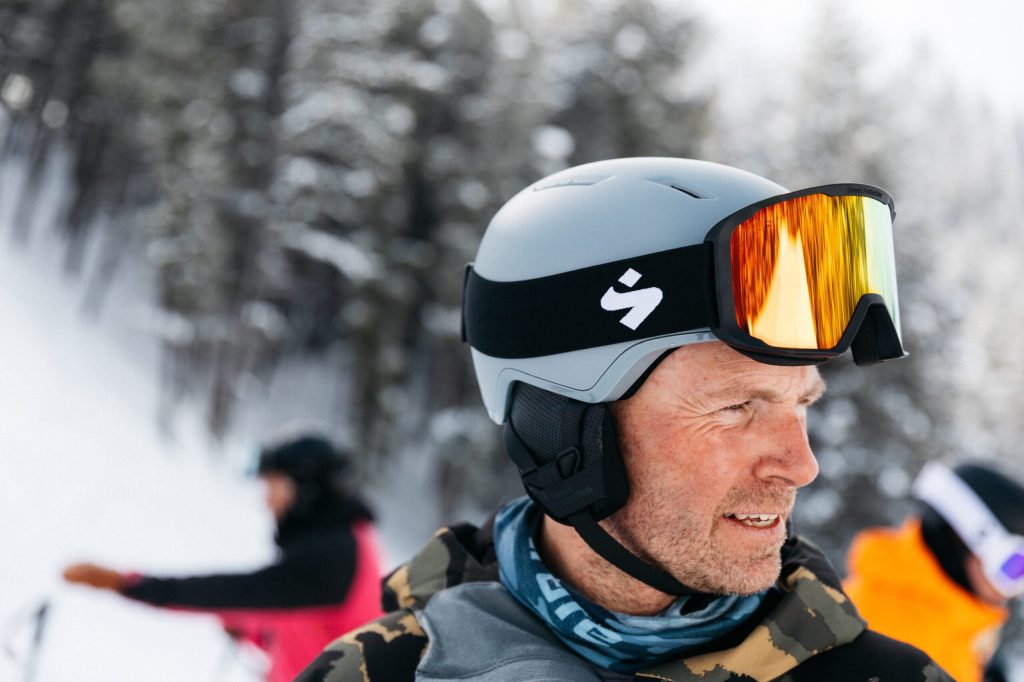
Are you wondering if you can wear a bike helmet while skiing? It’s a question many outdoor lovers ask when looking for the best way to stay safe on the slopes.
You want to protect your head, but you also want comfort and the right fit. Choosing the right helmet could make all the difference in your skiing experience. Keep reading to find out what experts say, what risks you might face, and how to pick the safest gear for your next adventure.
Your safety is worth knowing the facts.
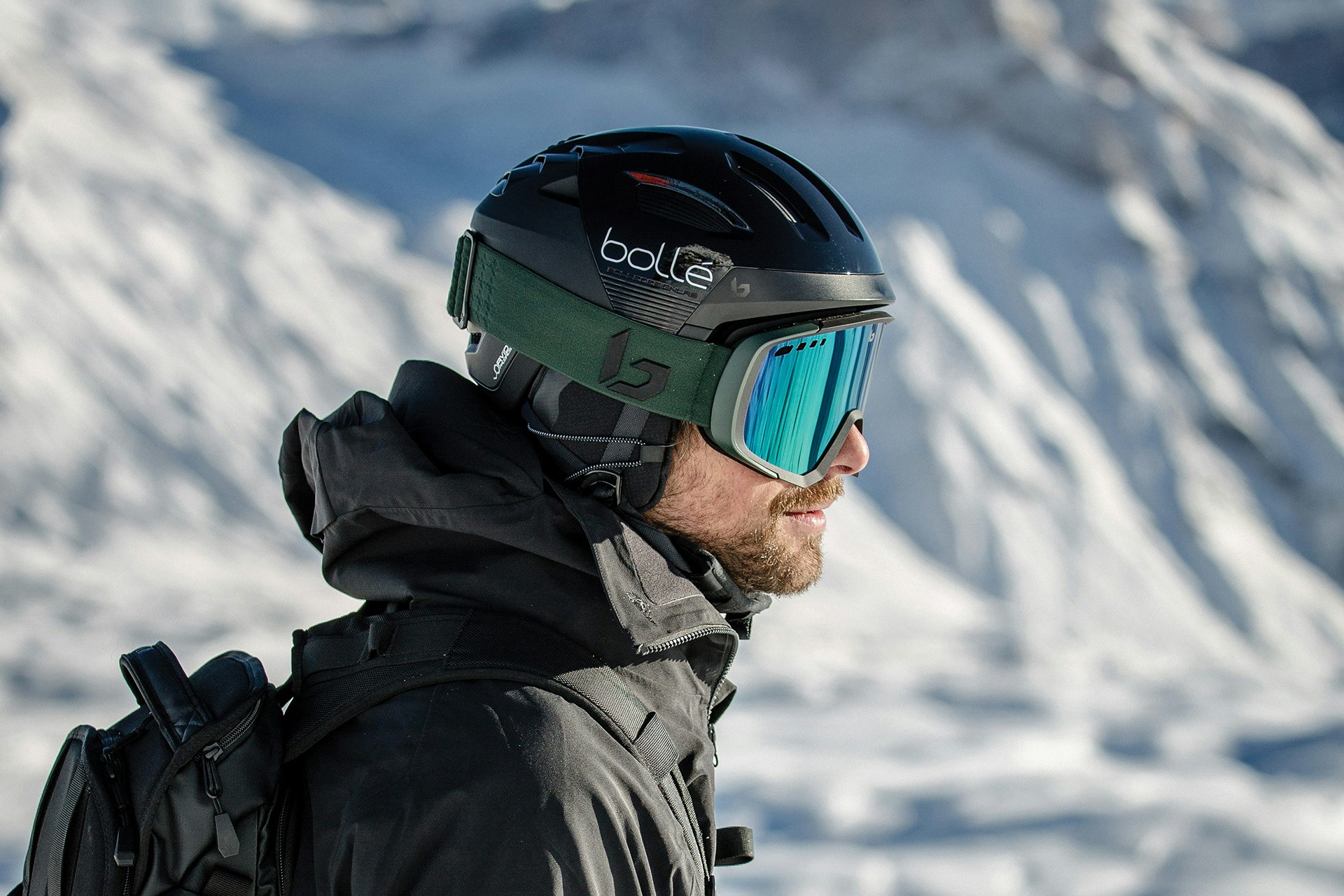
Credit: www.freeskier.com
Helmet Types For Skiing
Choosing the right helmet is important for skiing safety. Ski helmets are made to protect you on snowy slopes. Many wonder if bike helmets can be used for skiing.
This guide explains the differences between bike and ski helmets. It also covers design and safety standards for skiing helmets.
Bike Helmets Vs Ski Helmets
Bike helmets and ski helmets look similar but serve different purposes. Ski helmets protect against cold weather and impacts on snow. Bike helmets focus on road or trail crashes.
- Bike helmets have better ventilation for warm weather.
- Ski helmets offer insulation and ear protection.
- Ski helmets resist cold and moisture better.
- Bike helmets may not protect well from ski impacts.
Design Differences
Ski helmets include features to handle snowy and cold conditions. They also cover the ears and have goggle straps. Bike helmets focus on airflow and light weight.
| Feature | Bike Helmet | Ski Helmet |
| Ventilation | High for cooling | Moderate to low |
| Ear Coverage | No | Yes |
| Insulation | Minimal | Good |
| Goggle Strap | No | Yes |
| Weight | Lighter | Heavier |
Safety Standards
Ski helmets must meet specific safety rules to protect against cold and impacts. Bike helmets follow different rules that may not cover ski risks.
- Ski helmets meet ASTM F2040 or CE EN1077 standards.
- Bike helmets meet CPSC or EN 1078 standards.
- Ski standards include cold weather tests.
- Using a bike helmet for skiing may void safety guarantees.
Pros Of Wearing A Bike Helmet Skiing
Wearing a bike helmet while skiing can offer several advantages. It provides protection and comfort on the slopes.
Many skiers wonder if a bike helmet works well in cold weather and fast speeds. Let’s explore the benefits.
Comfort And Fit
Bike helmets are designed to fit snugly and stay in place during movement. This makes them comfortable for skiing.
They often have adjustable straps and padding that help customize the fit. A good fit improves safety and comfort.
Ventilation Benefits
Bike helmets usually have many vents to keep your head cool. This ventilation helps reduce sweat while skiing.
Good airflow prevents overheating, especially on sunny or active ski days. It keeps you feeling fresh and dry.
Cost Considerations
Bike helmets often cost less than ski helmets. This can save money for those who ski occasionally.
Using a bike helmet for skiing means you do not have to buy two helmets. This makes it a budget-friendly option.
Cons Of Using Bike Helmets On Slopes
Wearing a bike helmet while skiing might seem like a good idea. But there are important reasons why it may not be the best choice. Let’s explore the cons of using bike helmets on the slopes.
Understanding these factors can help you make a safer decision. Ski helmets are designed for specific needs that bike helmets might not meet.
Impact Protection Limits
Bike helmets are made for cycling accidents. They are not designed for the types of falls common in skiing. Skiing can involve high-speed collisions, which require different protection.
Bike helmets may not protect well against these impacts. This could lead to higher risks of injury on the slopes.
Weather Resistance
Skiing conditions can be very cold and wet. Bike helmets do not offer the same weather protection as ski helmets. Cold air and snow can easily get inside a bike helmet.
This can make skiing uncomfortable and even dangerous. Proper ski helmets are insulated and keep you warm and dry.
Certification Issues
Bike helmets and ski helmets have different safety standards. Ski helmets are certified to withstand skiing accidents. Bike helmets do not meet these standards.
Wearing a helmet not certified for skiing might not give you the right protection. It’s important to use equipment that meets the proper safety requirements.
- Bike helmets are for cycling, not skiing
- Ski helmets provide better impact protection
- Weather resistance is crucial for skiing safety
- Certification ensures safety standards are met
Safety Tips For Ski Helmet Choice
Choosing the right helmet is important for skiing safety. Not all helmets protect you well on the slopes.
Bike helmets and ski helmets are different. Knowing what to check helps you stay safe.
Checking Certification Labels
Look for certification labels on the helmet. These show if the helmet meets safety rules for skiing.
- CEN 1077 is a common ski helmet certification in Europe.
- ASTM F2040 is a U.S. standard for snow sports helmets.
- Look for Snell RS-98 for high safety standards.
- Bike helmet labels may not cover ski impacts.
Ensuring Proper Fit
A helmet must fit your head well. A loose helmet won’t protect you properly.
| Fit Aspect | What to Check |
| Size | Helmet should feel snug, not tight |
| Straps | Straps must fasten firmly under the chin |
| Position | Helmet should sit level, covering the forehead |
| Movement | Helmet should not move when you shake your head |
Inspecting Helmet Condition
Check the helmet for damage before use. Cracks or dents reduce protection.
- Look for cracks or deep scratches on the shell.
- Check the foam liner for any signs of compression.
- Make sure the straps and buckles work well.
- Replace helmets after a crash or if damaged.
Alternatives To Bike Helmets For Skiing
Wearing a bike helmet for skiing is not always the best choice. Skiing requires helmets made to handle cold and impact differently. You can find other helmets designed for winter sports that fit better and protect more.
This guide covers some good alternatives to bike helmets when you hit the slopes. You will learn about helmets made just for skiing, multi-sport options, and rental choices.
Ski-specific Helmets
Ski-specific helmets are made to keep you warm and safe in snowy conditions. They have extra padding, vents to control temperature, and shells built to absorb impacts from falls on ice or hard snow.
- Designed to fit ski goggles and accessories
- Insulated liners for cold weather
- Strong outer shell for winter impacts
- Adjustable vents for airflow
Multi-sport Helmets
Multi-sport helmets work for several activities, including skiing and biking. They offer a balance of protection and comfort. These helmets are lighter than ski-specific ones but still meet safety standards for winter sports.
| Feature | Ski-Specific Helmet | Multi-Sport Helmet |
| Weather Protection | High | Moderate |
| Ventilation | Adjustable Vents | Fixed Vents |
| Weight | Heavier | Lighter |
| Compatibility with Goggles | High | Moderate |
Rental Options
Renting a helmet at a ski resort is a simple way to get the right gear. Rentals give you access to helmets made for skiing without a big upfront cost. They are checked for safety and cleaned after every use.
- Try different helmet styles before buying
- Save money on short trips
- Get helmets with up-to-date safety features
- Helmets come in multiple sizes for a good fit

Credit: www.youtube.com
Enhancing Helmet Safety On The Slopes
Wearing a helmet while skiing is important for safety. Using a bike helmet can work but needs some care. You can make it safer with a few simple tips.
Adding the right gear and keeping your helmet in good shape helps protect your head better. Read on to learn how to improve helmet safety on the slopes.
Using Helmet Liners
Helmet liners keep your head warm and add comfort. They also help the helmet fit better. Choose liners made for cold weather to stay cozy.
- Pick moisture-wicking liners to keep sweat away
- Choose thin liners to avoid making the helmet too tight
- Remove liners when the helmet is hot to dry them out
- Replace liners if they get worn or smelly
Adding Goggles And Accessories
Goggles protect your eyes from snow and sun. Some helmets fit goggles better than others. Look for helmets with straps or clips for goggles.
| Accessory | Benefit |
| Goggle Straps | Keep goggles tight and in place |
| Visors | Block sun glare and snow |
| Chin Straps | Secure helmet on your head |
| Vent Covers | Adjust airflow to prevent fogging |
Proper Helmet Maintenance
Taking care of your helmet keeps it safe and long-lasting. Check it often for damage and clean it properly.
- Inspect for cracks or dents before each use
- Use mild soap and warm water to clean
- Dry your helmet away from direct heat
- Store helmet in a cool, dry place
- Replace helmet after a hard fall or every few years

Credit: bernhelmets.com
Frequently Asked Questions
Can I Wear A Bike Helmet For Skiing Safety?
Yes, you can wear a bike helmet for skiing, but it lacks ski-specific features like insulation and ear protection. It provides basic head protection but may not be as warm or comfortable as a ski helmet.
Are Bike Helmets As Safe As Ski Helmets?
Bike helmets meet safety standards for cycling but may not offer optimal protection for skiing impacts. Ski helmets are designed for cold weather and different types of falls. Using a ski helmet is generally safer on the slopes.
Will A Bike Helmet Keep Me Warm Skiing?
Bike helmets are not designed for cold weather and usually lack insulation. Ski helmets provide warmth and cover ears, making them better suited for winter conditions on the slopes.
Can I Use A Bike Helmet With Ski Goggles?
Yes, you can wear ski goggles with a bike helmet, but the fit might not be perfect. Ski helmets are designed to work seamlessly with goggles, offering better comfort and protection.
Conclusion
Wearing a bike helmet for skiing is not the best choice. Ski helmets protect against different impacts and cold weather. Bike helmets are lighter but do not keep you warm or safe on snow. Always choose gear made for skiing to stay safe on the slopes.
Your head deserves the right protection every time you ski. Stay smart, stay safe, and enjoy your skiing adventure with the proper helmet. Safety should always come first.