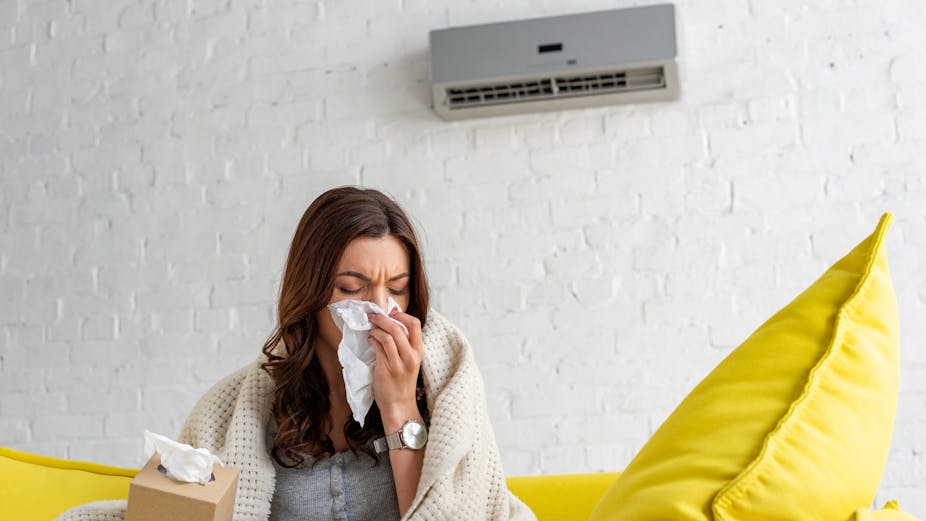
Have you ever wondered if your air conditioner could be making you feel worse instead of better? You rely on it to keep cool, but what if it’s secretly harming your health?
Your AC might be spreading germs or triggering allergies without you even realizing it. Understanding how this happens can protect you and your loved ones. Keep reading to discover the surprising ways your air conditioner could affect your wellbeing—and what you can do to stay safe and comfortable all year long.

Credit: globalcoolair.com.au
How Air Conditioners Affect Indoor Air Quality
Air conditioners can hold dust, mold, and bacteria. These contaminantsreduce indoor air quality. Mold grows in damp parts of the system. Dust collects in vents and ducts. Bacteria can spread if filters are dirty.
Filters catch many small particles. They stop dust and pollen from entering the air. Cleaning or replacing filters often keeps air cleaner. Neglecting filter care lets contaminants build up. This can cause allergiesand breathing problems.
Regular maintenanceis key. It keeps parts dry and clean. Servicing your AC removes mold and dust. This helps keep indoor air fresh and safe.

Credit: www.1news.co.nz
Airborne Illnesses Linked To Ac Units
Legionnaires’ diseaseis caused by bacteria in water systems. AC units with contaminated watercan spread this illness. The bacteria grow in warm, damp parts of the system. Breathing in tiny water droplets with bacteria can cause severe lung infection. Symptoms include cough, fever, and muscle aches.
Mold and fungal infectionsthrive in AC units that are not cleaned well. Moisture inside the system helps mold grow. Breathing in mold spores can cause allergiesand respiratory problems. People with asthma or weak immune systems are at higher risk. Regular cleaning and filter changes help prevent mold growth.
Allergies And Respiratory Issues
Dust mites and pollencan get trapped inside air conditioners. These tiny particles stay in the filters or ducts. When the AC runs, it blows these allergens back into the room. This can cause sneezing, itchy eyes, or a runny nose.
People with asthma or allergiesmay feel worse. The trapped dust and pollen can trigger their symptoms. It might cause coughing, wheezing, or difficulty breathing. Keeping the AC clean helps reduce these problems.
- Clean or replace filters often
- Use high-quality air filters
- Have ducts cleaned regularly
- Keep the area around the AC dust-free
Cold Air And Its Effects On The Body
Cold airfrom air conditioners can cause dry skin. It removes moisture from the air, leaving skin irritatedand itchy. This dryness may cause redness or small cracks on the skin.
Muscles may feel stiffafter staying in cold air for a long time. The body tries to keep warm by tightening muscles. This can cause discomfort or mild pain.
Cold air can also make people more prone to colds. The dry air lowers resistance to viruses. It is easier to catch a cold in such conditions.
Preventing Health Risks From Ac Use
Regular cleaningof your air conditioner keeps dust and germs away. Change or clean the filtersevery 1-3 months. Dirty filters can spread bacteriaand allergens, causing health problems. Clean vents and coils to keep air fresh.
Good ventilationhelps fresh air flow inside. It stops air from getting staleor too dry. Use a humidifieror dehumidifierto keep the air at the right moisture level. This prevents mold growthand breathing issues.
| Task | Frequency | Reason |
|---|---|---|
| Filter Replacement | Every 1-3 months | Reduces bacteria and allergens |
| Cleaning Vents and Coils | Every 6 months | Keeps air fresh and clean |
| Humidity Control | As needed | Prevents mold and dry air |

Credit: theconversation.com
When To Seek Medical Advice
Common symptomslinked to air conditioner exposure include headaches, fatigue, sore throat, and sneezing. Some people may also experience coughing, watery eyes, or skin irritation. These signs can appear after spending time in a room with poor AC maintenance.
If symptoms do not improve after leaving the air-conditioned area, seek medical advice. Persistent cough, fever, or difficulty breathing require prompt attention.
- Stop using the AC and get fresh air.
- Check the AC filters and clean or replace them.
- Use a humidifier to add moisture if air feels dry.
- Drink plenty of water to stay hydrated.
- See a doctor if symptoms last more than a few days.
Frequently Asked Questions
Can Air Conditioners Cause Health Problems?
Yes, air conditioners can cause health issues if not maintained properly. Poor maintenance can lead to mold and bacteria growth. This can trigger allergies and respiratory problems. Regular cleaning and filter replacement are essential. Ensuring good ventilation and humidity control can also help maintain indoor air quality.
Do Air Conditioners Spread Germs?
Air conditioners can circulate germs if filters are dirty. Dirty filters harbor bacteria and viruses, which spread through the air. Regularly changing filters and cleaning the system can minimize this risk. Ensure proper maintenance to keep the air in your home healthy and germ-free.
How Do Air Conditioners Affect Allergies?
Air conditioners can worsen allergies by circulating dust and pollen. Dirty filters can trigger allergic reactions. Regularly clean and replace filters to reduce allergens in the air. Maintain humidity levels to prevent mold growth, which can also exacerbate allergies.
Can Air Conditioning Cause Dry Skin?
Yes, air conditioning can cause dry skin by reducing indoor humidity. Dry air can strip moisture from your skin. To prevent dryness, use a humidifier to maintain balanced humidity. Drinking plenty of water and using a moisturizer can also help keep your skin hydrated.
Conclusion
Air conditioners can affect your health if not cleaned often. Dust, mold, and bacteria can build up inside. This can cause allergies, colds, or breathing problems. Regular cleaning and filter changes keep air fresh and safe. Good airflow helps your body stay comfortable and healthy.
Pay attention to any signs of sickness after using AC. Stay aware and take simple steps to protect yourself. Clean air means a healthier home and happier you.