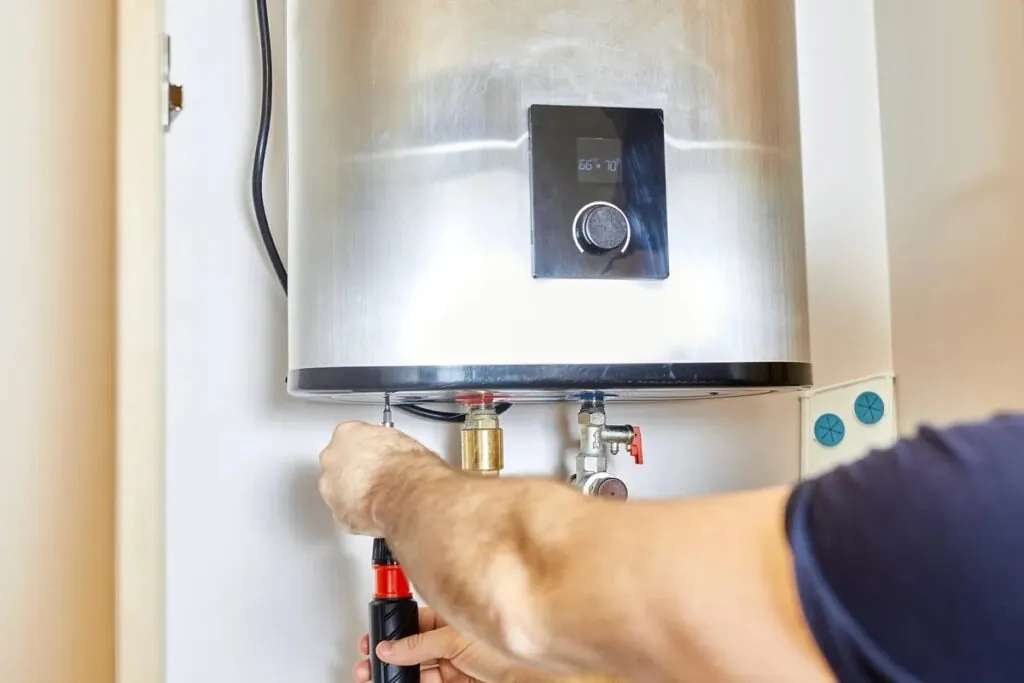
Imagine waking up on a chilly morning, ready to take a warm shower, only to find that your hot water heater isn’t working. Annoying, right?
If you’re wondering whether your hot water heater can freeze, you’re not alone. Many homeowners face this concern, especially during the colder months. Understanding the risks and taking preventive measures can save you from unexpected repairs and discomfort. We’ll dive into whether your hot water heater can freeze and, more importantly, what you can do to prevent it.
Stick around, because the tips you’ll find here could be the difference between a cozy winter and a frosty surprise.
How Hot Water Heaters Freeze
Understanding how hot water heaters freeze helps prevent damage and costly repairs. Water inside pipes and tanks can turn to ice in cold weather. Ice expands and can cause cracks or bursts. Knowing the risks and signs of freezing keeps your heater safe.
Temperature Risks
Water freezes at 32°F (0°C). Temperatures below this cause ice to form inside the heater. Even brief cold spells can lead to freezing. Outdoor heaters or those in unheated spaces face higher risks. Poor insulation increases the chance of freezing.
Common Freeze Points
- Water pipes near exterior walls
- Areas with poor insulation
- Outdoor water heater tanks
- Pipes in basements or crawl spaces
- Sections with slow water flow
Ice often forms where water moves slowly or stops. Pipes that carry cold water are more vulnerable.
Signs Of Freezing
- Little or no hot water flow
- Strange noises from the heater
- Visible frost on pipes or tank
- Water pressure drops suddenly
- Leaks or cracks in pipes
Detecting these signs early helps avoid bigger problems. Regular checks during cold weather are important.
Credit: www.navieninc.com
Factors Increasing Freeze Risk
Understanding the factors that increase the risk of your hot water heater freezing is crucial to avoid costly damage and inconvenient water outages. Certain conditions make your heater more vulnerable, and recognizing these can help you take action before the temperature drops too low. Let’s look at some key elements that put your water heater at risk.
Location Of Heater
The spot where your hot water heater is installed plays a big role in its freeze risk. If it’s placed in an unheated garage, basement, or outdoor shed, it faces much colder temperatures than one inside your home’s heated space.
Have you checked if your heater is near drafty doors or windows? Even a small breeze can lower the temperature enough to cause freezing. Moving or shielding your heater from cold air can make a big difference.
Insulation Issues
Insufficient or damaged insulation around the water heater and its pipes increases freeze risk significantly. Without proper insulation, cold air can easily penetrate, chilling the water inside.
Think about the last time you felt a cold draft near your heater’s pipes. Adding foam pipe sleeves or wrapping the heater itself with an insulating blanket can protect it during harsh weather. These simple fixes are affordable and effective.
Weather Conditions
Extreme cold snaps and prolonged freezing temperatures raise the chances of your water heater freezing. Areas that experience sudden drops below freezing or extended cold spells require extra precautions.
Do you monitor weather forecasts closely? Preparing ahead, like draining the heater or using heat tape during a cold wave, can save you from emergency repairs. Remember, it’s not just the cold but how long it lasts that matters.
Preventing Hot Water Heater Freezing
Preventing your hot water heater from freezing is essential, especially if you live in an area with harsh winters. A frozen water heater can cause costly damage and leave you without hot water when you need it most. Taking a few simple steps can protect your system and save you from unexpected headaches.
Proper Insulation Techniques
Insulating your hot water heater and the pipes connected to it is one of the best defenses against freezing. Use foam pipe insulation sleeves or wrap insulation blankets around the tank and exposed pipes. Make sure to cover all vulnerable areas, especially those near exterior walls or unheated spaces like garages or basements.
Have you checked your insulation recently? Even small gaps can let cold air in and cause freezing issues. Adding insulation is a low-cost fix that can make a big difference in maintaining warmth.
Using Heat Tape
Heat tape or heating cables are electrical products designed to keep pipes warm during freezing temperatures. You wrap them around the pipes or water heater and plug them in to provide consistent heat. This method works well in extreme cold or for pipes that are hard to insulate properly.
Be sure to choose a heat tape rated for your specific pipe type and follow the manufacturer’s instructions carefully. Safety is key—never overlap heat tape or leave it on continuously without a thermostat control.
Maintaining Adequate Temperature
Setting your water heater’s thermostat to at least 120°F helps prevent freezing inside the tank and pipes. This temperature keeps water warm enough to avoid ice formation without wasting energy. However, don’t crank it too high—temperatures above 140°F can be dangerous and wasteful.
Also, if you plan to be away during cold weather, leave the heater on at a safe temperature rather than shutting it off completely. Have you considered how a simple thermostat adjustment might protect your system this winter?

Credit: www.angi.com
Emergency Measures During A Freeze
Emergency measures during a freeze are crucial to protect your hot water heater and plumbing system. Cold weather can cause pipes to freeze, leading to water damage and costly repairs. Acting quickly helps minimize damage and restore heat safely.
Thawing Frozen Pipes
Start thawing frozen pipes by applying gentle heat. Use a hair dryer or warm towels wrapped around the pipe. Avoid open flames or high heat sources; these can damage pipes.
Keep the faucet open while thawing. This allows water to flow as ice melts and reduces pressure build-up. Work slowly and check pipes often to prevent cracking.
Avoiding Damage
Prevent damage by turning off the main water supply if pipes burst. Use towels or buckets to catch leaking water. Remove valuable items from the area to avoid water damage.
Keep your home heated above 55°F to reduce freezing risks. Insulate exposed pipes with foam sleeves or heat tape for extra protection.
When To Call A Professional
Call a plumber if you cannot thaw pipes safely or if leaks appear. Professionals have tools and experience to fix pipes without causing more damage.
Contact an expert if your hot water heater stops working or shows signs of freezing. Quick action can save your system and home from serious harm.
Long-term Maintenance Tips
Maintaining your hot water heater over the long term is crucial to prevent freezing and costly repairs. Taking proactive steps can keep your system running smoothly through harsh winters. Let’s look at practical ways you can protect your investment and ensure warm water all year round.
Regular Inspections
Check your water heater regularly for any signs of wear or damage. Look for rust, leaks, or corrosion around the tank and pipes. Catching small issues early can prevent bigger problems that might lead to freezing or breakdowns.
Don’t forget to inspect the insulation on your pipes. Damaged or missing insulation exposes pipes to cold air, increasing the risk of freezing. A quick fix like adding foam sleeves can make a huge difference during winter.
Upgrading Equipment
If your water heater is over 10 years old, it might be time to consider an upgrade. Modern units come with improved insulation and freeze protection features that older models lack. Investing in a newer system can save you money on repairs and energy bills in the long run.
Think about adding a recirculation pump or a smart thermostat. These upgrades keep water moving and maintain a consistent temperature, reducing the chance of freezing in colder spots.
Winterizing Your System
Winterizing doesn’t mean just turning the heat up. You should drain and flush your water heater annually to remove sediment buildup that can reduce efficiency. Sediment can cause your heater to work harder, making it more vulnerable to freezing.
Seal any gaps or cracks in the area where your heater is installed to block cold drafts. If your heater is in an unheated space, consider installing a space heater or heat tape designed for pipes. These simple steps can prevent freezing without a major overhaul.

Credit: genzryan.com
Frequently Asked Questions
Can A Hot Water Heater Freeze In Winter?
Yes, a hot water heater can freeze if exposed to freezing temperatures. Insufficient insulation or power outages increase this risk. Frozen water inside can cause pipes to burst, leading to costly damage. Proper insulation and temperature control help prevent freezing.
What Causes Hot Water Heaters To Freeze?
Freezing happens when water inside the heater or pipes drops below 32°F. Poor insulation, cold drafts, or power failures are common causes. Lack of heat circulation also contributes. Maintaining warmth around the heater and pipes is essential to prevent freezing.
How Can I Prevent My Water Heater From Freezing?
Insulate pipes and the heater tank well to retain heat. Keep the area warm using heaters or heat tape. During extreme cold, let faucets drip slightly to keep water moving. Regular maintenance and winterizing help avoid freezing issues.
What Happens If A Hot Water Heater Freezes?
Freezing water expands, potentially cracking the tank or pipes. This leads to leaks, water damage, and costly repairs. The heater may stop functioning properly until fixed. Prompt action is necessary to minimize damage and restore operation.
Conclusion
A hot water heater can freeze if left unprotected. Cold weather causes pipes and tanks to crack. Insulating your heater helps keep it warm. Draining water prevents damage during extreme cold. Regular checks ensure your heater works well. Taking simple steps avoids costly repairs later.
Stay safe and keep warm this winter. Don’t let freezing ruin your hot water supply. Small actions make a big difference in cold months. Protect your home and enjoy hot water every day.