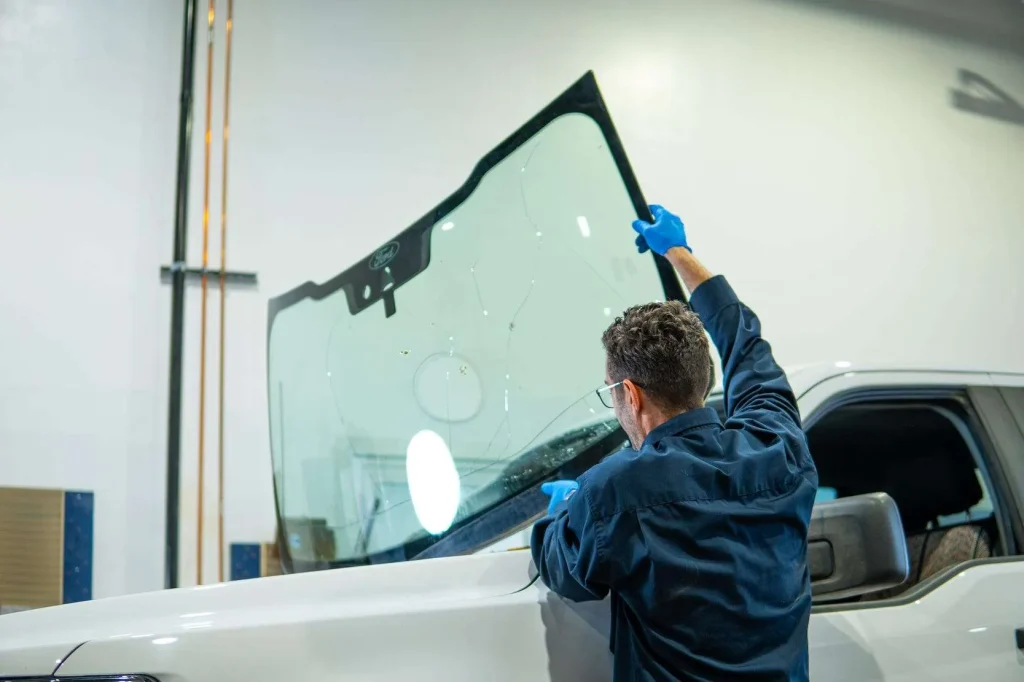
Have you ever noticed a small crack or chip on your car glass and wondered if it’s safe to keep driving? Ignoring even minor damage can quickly turn into a big problem, affecting your safety and your car’s value.
When it comes to car glass replacement, knowing what to do and when to act can save you time, money, and stress. This guide will help you understand why timely replacement matters, how to choose the right service, and what to expect during the process.
Keep reading to protect your ride and stay safe on the road.
Signs You Need Car Glass Replacement
Car glass damage can happen suddenly or over time. Knowing the signs that your car glass needs replacement can save you money and keep you safe. Look for cracks, chips, or any changes in visibility. Small issues can quickly grow worse. Acting early prevents accidents and costly repairs.
Common Types Of Glass Damage
- Chips:Small pieces of glass broken off, often from stones.
- Cracks:Lines that spread across the glass surface.
- Spiders:Web-like cracks radiating from a central impact point.
- Shattered:Glass broken into many pieces, often after a strong impact.
- Stress Cracks:Cracks from temperature changes or pressure.
When To Repair Vs Replace
Small chips and cracks under 6 inches often can be repaired. Repairs stop damage from growing and restore strength.
Large cracks, spider webs, or damage near the edges require replacement. Replacement ensures clear vision and full protection.
Damage that blocks driver view always needs replacement for safety.
Safety Risks Of Damaged Glass
- Weakened glass may shatter on impact.
- Cracks reduce driver visibility and increase accident risk.
- Damaged glass may fail to protect in collisions.
- Wind noise and water leaks can occur with cracks.
- Legal issues may arise if glass is unsafe.
Choosing The Right Replacement Service
Choosing the right car glass replacement service can save you time, money, and stress. Not all services offer the same quality or convenience, so knowing what to look for helps you make a smart choice. Think about what matters most to you—speed, price, warranty, or expertise—before making your decision.
Factors To Consider
Start by checking the reputation of the replacement service. Look for reviews and ask friends or family for recommendations. Price is important, but the cheapest option might not provide the best quality.
Ask about the type of glass they use. OEM (Original Equipment Manufacturer) glass usually fits better and lasts longer. Also, find out about the warranty they offer on both parts and labor.
Certified Technicians And Quality Standards
Always choose a service with certified technicians. Certifications from organizations like the Auto Glass Safety Council ensure the technicians follow strict safety and quality protocols.
Quality standards mean your windshield will be installed correctly, reducing the risk of leaks or cracks. A poorly installed windshield could affect your car’s structural integrity and your safety during an accident.
Mobile Vs In-shop Services
Mobile services come to your location, offering convenience especially if you’re busy or can’t drive your car safely. This option can save you time, but make sure they have the right tools and environment to do the job properly.
In-shop services often have better equipment and controlled conditions, which can lead to a more precise installation. However, you’ll need to arrange transportation while your car is being serviced.
Which matters more to you—saving time with a mobile service or ensuring the highest quality with an in-shop visit?
Cost Factors In Car Glass Replacement
Understanding the costs involved in car glass replacement helps you plan better and avoid surprises. Various factors influence the final price, from the type of glass used to the labor required. Knowing these can help you make smarter choices and save money without compromising safety.
Material And Glass Type
The kind of glass you choose has a big impact on cost. OEM (Original Equipment Manufacturer) glass matches your car’s original specs but is usually pricier. Aftermarket glass is cheaper but may not fit as perfectly or last as long.
Some vehicles require laminated or tempered glass, which affects price too. Laminated glass offers better protection and noise reduction but costs more. Ask yourself: is it worth paying extra for enhanced safety and comfort?
Labor And Installation Fees
Labor costs vary based on your location and the shop’s expertise. Complex installations, like replacing windshield sensors or special coatings, take more time and skill. A quick replacement might cost less but could risk improper fitting.
Remember, quality installation ensures your glass stays secure and maintains vehicle integrity. Don’t just look for the cheapest option—consider the reputation of the technicians handling your car.
Insurance Coverage And Claims
Your insurance policy can greatly affect what you pay out of pocket. Some plans cover full replacement costs, while others only contribute to repairs or have high deductibles. Check if your policy includes glass coverage before scheduling repairs.
Filing a claim may save you money but could affect your premiums. Would paying upfront be cheaper in the long run? Weigh your options carefully before deciding.

Credit: www.fixmyquack.com
Step-by-step Replacement Process
Begin by carefully removing the damaged glass to avoid injury. Clean the frame thoroughly before fitting the new glass securely in place. Finish by sealing the edges to ensure a tight, safe fit.
Replacing car glass might seem daunting, but with the right guidance, it’s a manageable task. The step-by-step replacement process ensures safety and restores your vehicle’s integrity. Let’s dive into the essential stages that make up this procedure, ensuring you approach this task with confidence.Inspection And Damage Assessment
Before diving into the replacement, a thorough inspection is crucial. Check the extent of the damage to determine if a full replacement is necessary. Sometimes, minor chips or cracks might only require repairs rather than a complete swap. Consider the location of the damage as well. Is it obstructing your view? If so, prioritize this task for your safety.Removing The Damaged Glass
Once you decide on replacement, carefully remove the damaged glass. Start by wearing protective gloves to avoid injury. Use specialized tools to gently detach the glass from its frame. Ensure you handle any remaining shards carefully to avoid scratching your car’s interior or exterior.Installing The New Glass
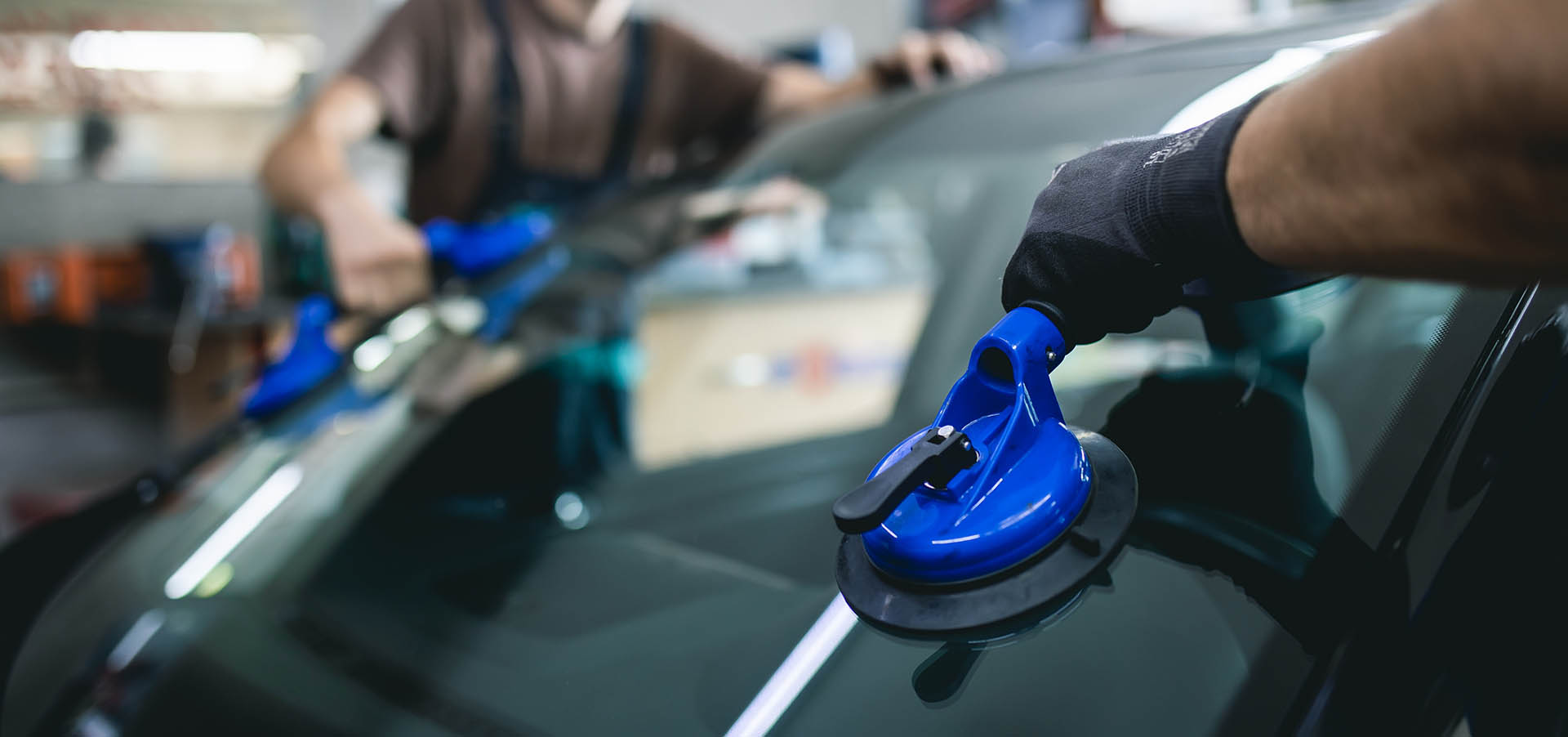
With the old glass removed, it’s time to install the new piece. Align the new glass precisely with the window frame. Secure it using the recommended adhesive or seals, ensuring a snug fit. Take your time with this step to guarantee a watertight seal, especially if you’re doing it yourself.Post-installation Checks
After installation, conduct thorough checks. Inspect the new glass for alignment and seal quality. Run a water test by gently spraying water to check for leaks. Ensure all window functions, like automatic rolls, work smoothly. Replacing car glass not only fixes a problem but also boosts your safety and vehicle’s aesthetics. Have you considered the impact of clear, undamaged glass on your driving experience? Taking the time to follow these steps ensures peace of mind and a job well done.Tips For Maintaining Car Glass
Maintaining your car glass goes beyond just fixing cracks or chips. Proper care can extend the life of your windshield and windows, saving you time and money. Let’s dive into practical tips that help you keep your car glass clear, strong, and damage-free.
Preventing Future Damage
Think about the last time a small stone hit your windshield—did you ignore it? Small chips can quickly turn into big cracks if not addressed. To prevent damage, avoid tailgating trucks or vehicles that kick up debris.
Parking wisely also makes a big difference. Choose shaded spots to protect your glass from extreme temperature changes that can cause stress cracks. If you notice a tiny chip, get it repaired promptly before it spreads.
Cleaning And Care Advice
Cleaning your car glass regularly keeps visibility sharp and prevents dirt buildup that can cause scratches. Use a soft microfiber cloth and a cleaner specifically designed for automotive glass.
Avoid household glass cleaners with ammonia—they can damage the tint or rubber seals around your windows. Clean your glass in the shade to prevent streaks caused by quick drying in the sun.
When To Schedule Inspections
Not all damage is visible right away. You should have your car glass inspected if you notice any chips, cracks, or unusual noises while driving. Regular inspections help catch small issues before they become serious safety hazards.
Consider scheduling an inspection after extreme weather events like hailstorms. Even if you don’t see damage, hidden cracks can weaken your windshield’s integrity. How often do you check your car glass for hidden issues?

Credit: autoglassottawa.ca
Benefits Of Quick And Reliable Replacement
Getting your car glass replaced quickly and reliably isn’t just about convenience—it can make a real difference in your driving experience and long-term expenses. Acting fast ensures your vehicle stays safe, saves you money, and keeps your car’s value intact. Here’s why you shouldn’t delay when it comes to car glass replacement.
Enhanced Safety
Your windshield is more than just a window; it plays a crucial role in protecting you during a crash. A damaged or cracked windshield can shatter easily, increasing the risk of injury. Prompt replacement restores the structural integrity of your vehicle, helping to keep you and your passengers safe on the road.
Have you ever driven with a crack that suddenly spread across the glass? It’s unsettling and dangerous. Quick replacement removes that risk and lets you focus on driving without distraction.
Cost Savings
Ignoring a small chip or crack often leads to bigger damage that requires more expensive repairs. Getting your glass fixed early prevents the damage from worsening, saving you from costly replacements down the line.
Also, many insurance policies cover glass replacement with little to no deductible. Acting fast means you can take full advantage of these benefits without paying extra out of pocket.
Restoring Vehicle Value
A car with damaged glass loses appeal and market value, especially if you plan to sell or trade it in. Quick and professional glass replacement keeps your vehicle looking well-maintained and preserves its resale price.
Think about it—would you buy a car with a cracked windshield? Most buyers won’t. Keeping your car in top shape helps you get the best return when the time comes.
Credit: www.whitbyautoglass.ca
Frequently Asked Questions
How Long Does Car Glass Replacement Take?
Car glass replacement usually takes 30 minutes to 1 hour. Time varies by damage size and vehicle type. Some repairs may need longer if additional work is required. Quick service helps you return to driving safely without much delay.
Is Car Glass Replacement Covered By Insurance?
Many insurance policies cover car glass replacement under comprehensive coverage. Check your policy details or contact your insurer for confirmation. Some providers offer full coverage with low deductibles. Reporting damage promptly ensures smooth claim processing and minimizes out-of-pocket costs.
Can I Drive Immediately After Glass Replacement?
Yes, you can typically drive right after glass replacement. However, avoid heavy car washes or impacts for 24 hours. This allows adhesives to cure properly and ensures the glass stays securely in place. Follow your technician’s specific post-replacement instructions carefully.
What Types Of Glass Can Be Replaced In Cars?
Car glass replacement includes windshields, side windows, rear windows, and sunroofs. Each type requires specific materials and installation techniques. Professional service guarantees proper fit and safety compliance. Replacing damaged glass promptly improves visibility and vehicle integrity.
Conclusion
Car glass replacement keeps you safe on the road. Cracks and chips can grow fast. Fix small damage quickly to avoid bigger problems. Choose a trusted service for quality and speed. Good glass helps with clear vision and protects from weather.
Don’t delay repairs; your safety matters most. Keep your car in top shape by acting soon. Safe driving starts with a strong windshield.