Thinking about protecting your car’s paint but worried about the cost? You’re not alone.
When it comes to keeping your vehicle looking brand new, paint protection film can be a game-changer. But how much should you expect to pay? Understanding the real cost behind this investment can help you make the best decision for your car and your budget.
You’ll discover everything you need to know about car paint protection film cost—so you can protect your ride without any surprises. Ready to find out what’s involved? Let’s dive in.
Factors Affecting Paint Protection Film Cost
Several factors influence the cost of car paint protection film. Understanding these elements helps in estimating the total price. Each factor plays a role in how much you will pay for the service and product.
Type Of Film Material
Different films offer various levels of protection and durability. Some materials resist scratches better, while others block UV rays. Higher-quality films usually cost more but last longer.
Vehicle Size And Model
Larger vehicles require more film, increasing the cost. The shape and curves of the car also affect pricing. Complex designs need extra film and time for proper installation.
Coverage Area Options
Partial coverage protects specific parts like the hood and mirrors. Full coverage wraps the entire vehicle, costing more. Choose coverage based on your budget and protection needs.
Installation Complexity
Cars with many curves or edges require skilled installers. Difficult installations take more time and raise labor costs. Simple, flat surfaces are cheaper to cover.
Brand And Quality
Well-known brands charge higher prices due to reputation and quality assurance. Cheaper brands may save money but offer less protection. Investing in quality ensures better value over time.
Credit: www.texasshinedoc.com
Common Price Ranges For Paint Protection Film
Paint Protection Film (PPF) prices vary based on coverage and vehicle size. Understanding common price ranges helps set clear expectations. Costs reflect the area covered and film quality.
Smaller coverage costs less, while full vehicle wraps are more expensive. Additional services and warranties may increase the total price. Below are typical price ranges for different PPF options.
Partial Front Coverage
Partial front coverage protects key areas like the front bumper and headlights. This option costs less than full coverage but covers high-impact zones.
- Typical price range: $500 to $1,200
- Includes front bumper, partial hood, and side mirrors
- Ideal for drivers seeking basic protection
Full Hood Protection
Full hood protection covers the entire hood to prevent chips and scratches. This option offers more coverage for a moderate price.
- Typical price range: $700 to $1,500
- Focuses on the entire hood area
- Popular among owners of sports and luxury cars
Full Vehicle Wrap
A full vehicle wrap covers all painted surfaces for complete protection. This is the most comprehensive and costly PPF option.
- Typical price range: $2,000 to $6,000
- Includes hood, doors, fenders, bumpers, and mirrors
- Recommended for new or high-value vehicles
Additional Services And Warranties
Extra services like paint correction or ceramic coating may add to costs. Warranties vary by installer and can cover film defects or discoloration.
- Paint correction: $200 to $600
- Ceramic coating: $500 to $1,000
- Warranties often last 5 to 10 years
- Choose installers offering solid warranty terms
Cost Comparison: Diy Vs Professional Installation
Choosing between DIY and professional installation affects the total cost of car paint protection film. Each approach has unique expenses and benefits. Understanding these differences helps make the best decision for your budget and car care.
Materials And Tools Expenses
DIY installation requires buying the film and tools like squeegees and spray bottles. Quality materials can be costly but reusable for future jobs. Professionals include materials in their service fee, which may seem higher upfront. Yet, they use top-grade products and have access to bulk discounts, lowering costs indirectly.
Skill Level And Time Investment
DIY demands patience and practice. Learning the right technique takes time, often several hours. Mistakes can waste materials and increase costs. Professionals complete the job faster due to experience. Their skill reduces errors and ensures a smooth finish. Time saved can be valuable for busy car owners.
Risks Of Improper Application
Incorrect DIY installation can cause bubbles, wrinkles, or peeling. These flaws harm your car’s look and may require removal and reapplication. Professional installers minimize risks with precise methods and tools. They often offer warranties to cover installation issues. This protects your investment and adds peace of mind.
Long-term Value
Professionally installed paint protection film usually lasts longer. Proper application prevents damage and maintains appearance. DIY jobs might need touch-ups or replacement sooner. Consider the cost of repairs or early replacement when comparing prices. Investing in quality installation can save money over time.
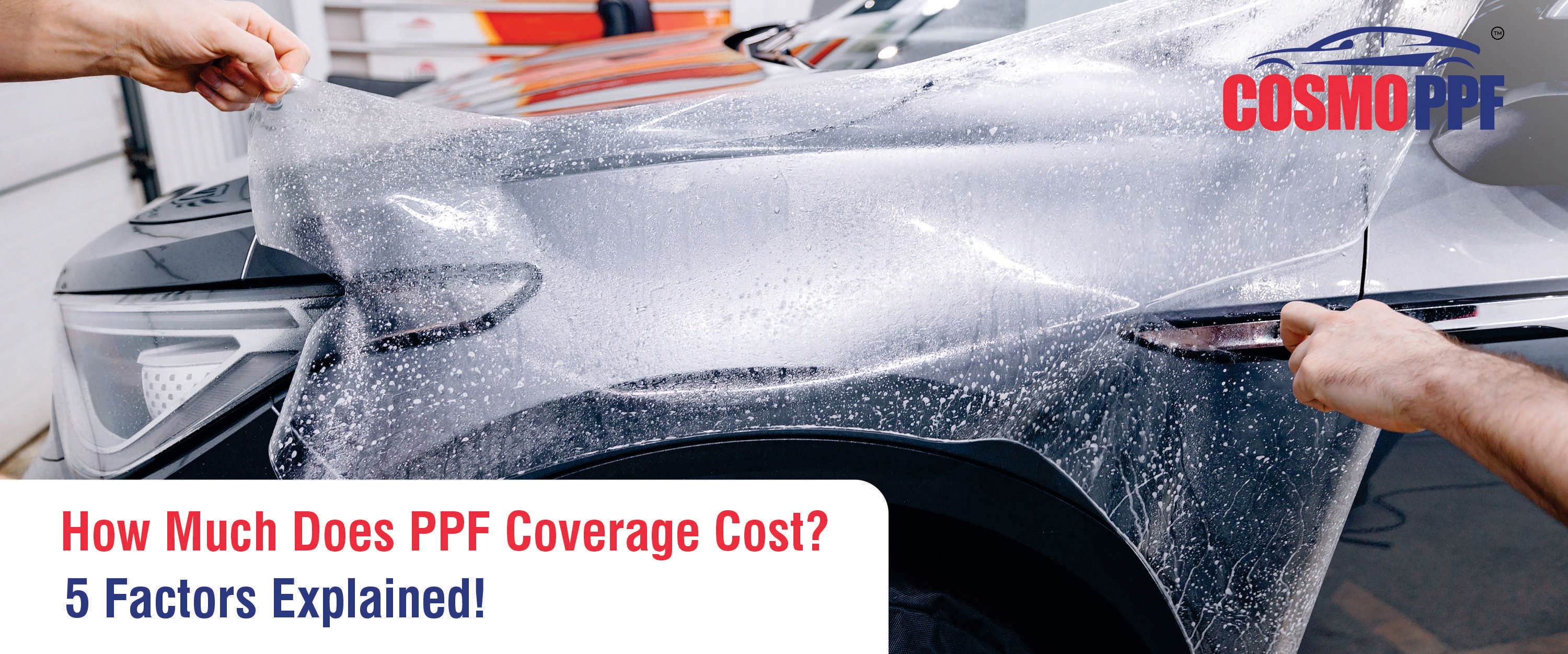
Credit: www.cosmoconsumer.com
Tips To Save Money On Paint Protection Film
Saving money on car paint protection film is easier than many think. Small choices can make a big difference in the final cost. Smart planning and research help find the best deals without compromising quality.
Choosing The Right Coverage
Decide which parts of your car need protection. Covering the entire vehicle costs more. Focus on high-impact areas like the hood, mirrors, and front bumper. Partial coverage reduces expenses and still offers good protection.
Scheduling During Off-peak Seasons
Car service shops often lower prices during slower months. Book your paint protection film installation in these times. Avoid busy seasons to get better rates and flexible appointment times.
Researching Local Installers
Compare prices from several local installers. Check reviews and ask for quotes. Some shops offer competitive pricing and quality work. Choose a reputable installer with fair rates to save money and protect your car well.
Utilizing Discounts And Promotions
Look for special offers from installers or manufacturers. Coupons, seasonal sales, and package deals lower costs. Sign up for newsletters or follow local shops on social media to catch discounts early.
Alternatives To Paint Protection Film
Looking for ways to protect your car’s paint without committing to paint protection film? Several alternatives offer varying levels of protection, cost, and maintenance. Understanding these options can help you decide what fits your budget and lifestyle best.
Ceramic Coatings
Ceramic coatings create a hard, protective layer over your car’s paint. They resist dirt, water, and minor scratches while enhancing the shine. Unlike paint protection film, ceramic coatings are transparent and don’t add thickness to the surface.
Applying ceramic coating usually requires professional help for the best results. It can last anywhere from 2 to 5 years depending on the product and upkeep. Have you ever noticed how easy it is to wash a car with a ceramic coating? That slick finish makes daily maintenance less of a chore.
Wax And Sealants
Wax and sealants are the most budget-friendly options to protect your car’s paint. Wax offers a natural shine but typically lasts only a few weeks. Sealants provide longer-lasting protection, often several months, by forming a synthetic barrier against contaminants.
Both require regular reapplication, especially if your car faces harsh weather. If you enjoy hands-on care for your vehicle, these options let you stay involved without breaking the bank. What’s your current routine for keeping your car’s paint looking fresh?
Vinyl Wraps
Vinyl wraps cover your car’s paint with a durable, colorful layer that protects against scratches and UV rays. Unlike paint protection film, wraps can change your car’s appearance with different colors and finishes.
Vinyl wraps are more affordable than paint protection film but usually last 3 to 5 years. They require careful installation to avoid bubbles and wrinkles, so professional application is recommended. If you want to personalize your ride while protecting the paint, wraps can be a creative and practical choice.

Credit: carlikewrap.com
Frequently Asked Questions
What Is Car Paint Protection Film?
Car paint protection film, also known as PPF, is a transparent layer applied to a vehicle’s surface. It protects against scratches, chips, and environmental damage. This film preserves the car’s original paint and enhances its resale value. It’s especially beneficial for maintaining a car’s aesthetic appeal.
How Much Does Car Paint Protection Film Cost?
The cost of car paint protection film varies based on several factors. These include the car’s size, the film’s brand, and the installation’s complexity. On average, you can expect to pay between $500 and $2,000. Investing in PPF can save you from costly paint repairs in the future.
Is Paint Protection Film Worth The Investment?
Yes, paint protection film is worth the investment for most car owners. It safeguards your vehicle from everyday wear and tear. This includes scratches, stone chips, and UV damage. Over time, PPF can maintain your car’s appearance and resale value, offering long-term benefits.
How Long Does Paint Protection Film Last?
Paint protection film typically lasts between 5 to 10 years. Its longevity depends on the quality of the film and installation. Regular maintenance and care can extend its lifespan. Investing in high-quality PPF ensures better durability and performance, providing long-lasting protection for your vehicle.
Conclusion
Protecting your car’s paint can save money over time. Paint protection film costs vary by size and quality. Choosing the right film helps keep your car looking new. Small scratches and chips become less of a worry. Installation by a professional ensures the best results.
Think of it as an investment in your vehicle’s value. Clear information on costs helps you decide wisely. A well-protected car stays beautiful longer with less effort. Consider your needs and budget before making a choice. Your car deserves the best care you can provide.