You’ve just faced a frustrating moment: your car won’t start after overheating. It’s stressful, confusing, and can leave you feeling stuck.
But don’t worry—understanding why this happens and what to do next can save you time, money, and a lot of headaches. You’ll discover the common reasons behind this problem and clear steps to get your car back on the road quickly.
Keep reading to take control of the situation and avoid getting stranded again.

Credit: www.youtube.com
Common Causes Of Overheating
Engines can overheat due to low coolant, broken fans, or clogged radiators. Overheating may cause engine damage, preventing the car from starting afterward. Checking these issues helps identify why the car won’t start after overheating.
When your car overheats, it can be a frustrating experience. Understanding why it happens helps you prevent it in the future. Overheating can damage your engine if not addressed quickly. Here are some common causes of car overheating:Coolant Leaks
Coolant leaks are a frequent cause of overheating. They can occur in hoses, the radiator, or the water pump. Low coolant levels lead to insufficient cooling, causing the engine to overheat. Regularly check for puddles under your car. Inspect hoses for wear and tear. Refill coolant as needed to avoid leaks and overheating.Faulty Thermostat
A faulty thermostat can disrupt engine temperature regulation. It may get stuck in the closed position. This prevents coolant from circulating properly. The engine then overheats due to lack of cooling. Replacing a faulty thermostat is a straightforward fix. It ensures proper coolant flow and helps maintain engine temperature.Radiator Issues
Radiator problems also contribute to overheating. A clogged radiator blocks coolant flow. This reduces the cooling efficiency of the engine. Regular radiator maintenance can prevent clogs. Flushing the radiator removes debris and old coolant. A clean radiator keeps the engine cool and prevents overheating.Water Pump Failure
The water pump circulates coolant through the engine. A failing water pump results in poor coolant circulation. This leads to overheating as the engine doesn’t cool down. Listen for unusual noises from the engine area. A grinding or whining sound often signals water pump trouble. Replacing the water pump restores proper coolant flow and prevents overheating.Signs Your Car Is Overheating
Recognizing the signs of an overheating car is crucial to prevent severe engine damage. Overheating happens when the engine runs hotter than normal. The cooling system may fail to keep the engine temperature safe. Knowing the symptoms helps you act quickly. This can save you from costly repairs and getting stranded on the road.
Temperature Gauge Reading High
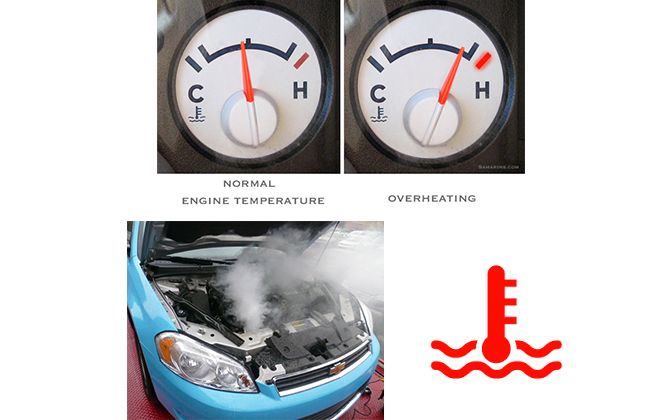
The temperature gauge on the dashboard shows the engine’s heat level. A sudden rise or the needle moving into the red zone signals overheating. This warning should not be ignored. Pull over and turn off the engine immediately to avoid damage.
Steam From The Engine
Steam coming out from under the hood is a clear sign of overheating. It usually happens when coolant leaks or boils over. Steam looks like white smoke and can have a sweet smell. Stop the car and let the engine cool down before checking further.
Unusual Smells
A hot, burning smell is common when the engine overheats. This odor can come from overheating coolant or damaged engine parts. Sometimes, you may also notice a sweet smell from leaking coolant. These smells mean the engine needs attention right away.
Engine Warning Lights
Modern cars have warning lights for engine problems. The check engine light or temperature warning light may turn on during overheating. These lights alert you to stop and inspect the vehicle. Ignoring them can lead to serious engine failure.
Immediate Steps When Car Won’t Start
Car won’t start after overheating? Act fast to avoid more damage. Knowing the right steps helps protect your engine and saves time. Follow these immediate actions to diagnose and possibly fix the problem.
Let The Engine Cool
Do not try to start the car right away. Let the engine cool down completely. Overheating causes parts to expand and stay hot. Starting the engine too soon can cause severe damage. Wait at least 30 minutes or until the temperature gauge drops.
Check Coolant Levels
Open the hood carefully once the engine is cool. Look at the coolant reservoir or radiator. Low coolant can cause overheating and prevent starting. Add coolant if the level is below the minimum mark. Use the correct type of coolant for your car.
Inspect Battery And Connections
Overheating can affect the battery and cables. Check for loose or corroded battery terminals. Clean terminals with a brush if needed. Ensure battery connections are tight. Weak battery power often stops the engine from starting.
Test Starter And Alternator
Listen for clicking sounds when turning the key. No sound may mean a bad starter. A weak electrical system can also cause no start. Test the alternator to confirm it charges the battery. A failing alternator can drain the battery and stop the car.

Credit: stringerautorepair.com
Quick Fixes To Try
If your car won’t start after overheating, don’t panic just yet. Some issues can be fixed quickly without waiting for a mechanic. Trying these quick fixes might save you time and money, and get your engine running again faster than you think.
Refill Or Replace Coolant
Overheating often means your coolant level is low or the fluid is old. Check the coolant reservoir under the hood and add more if it’s below the minimum mark. Using fresh coolant helps your engine stay cool and prevents future overheating problems.
Be sure to let the engine cool completely before opening the radiator cap. Hot coolant can cause serious burns. If your coolant looks rusty or dirty, flushing and replacing it can improve your car’s cooling system performance.
Reset The Engine Control Unit
Your car’s computer system, the Engine Control Unit (ECU), can sometimes get confused after overheating. Resetting it might clear error codes and restore normal function. To reset, disconnect the battery for about 15 minutes, then reconnect it.
This simple step has helped many drivers get their car to start again after the engine overheated. Have you tried unplugging electronics to fix glitches? The same idea applies here but with your car’s brain.
Jump Start The Battery
Overheating can drain or damage your battery, leaving it too weak to start the engine. Try jump starting your car using jumper cables and another vehicle’s battery. This can provide the necessary power boost to turn your engine over.
If the jump start works, consider getting your battery tested to avoid repeat issues. Sometimes overheating stresses the battery, reducing its ability to hold a charge.
Check And Replace Fuses
Electrical components often get stressed during overheating, which can blow fuses. Inspect your car’s fuse box for any blown fuses related to the ignition or fuel system. Replace any damaged fuses with ones of the same rating.
Knowing exactly which fuse to check can save you frustration. Your vehicle’s manual usually has a clear fuse diagram, making this quick fix straightforward. Could a tiny fuse be the reason your car refuses to start?
Preventing Future Overheating
Preventing future overheating is crucial for your car’s health and reliability. Overheating can cause severe engine damage and leave you stranded. Taking simple steps helps avoid costly repairs and keeps your vehicle running smoothly. Regular care and attention to your cooling system are key to preventing overheating.
Regular Coolant Maintenance
Coolant keeps your engine at the right temperature. Check the coolant level often and top it up as needed. Replace old coolant based on your car’s service schedule. Fresh coolant prevents rust and corrosion inside the engine. Use the correct type of coolant recommended by the manufacturer.
Monitor Engine Temperature
Watch your dashboard temperature gauge every time you drive. A rising temperature warning means trouble. Stop the car safely if the engine gets too hot. Let it cool down before checking under the hood. Early detection prevents severe overheating damage.
Routine Radiator And Hose Checks
Inspect the radiator for leaks, cracks, or blockages regularly. Clean debris or dirt that can block airflow. Check hoses for cracks, bulges, or soft spots. Replace damaged hoses immediately to avoid coolant leaks. Proper airflow and fluid flow keep the engine cool.
Timely Repairs And Replacements
Fix cooling system problems as soon as possible. Replace worn-out parts like thermostats, water pumps, and fans. Delaying repairs risks bigger engine issues. Use quality parts to ensure long-term reliability. A well-maintained cooling system prevents future overheating.

Credit: www.reddit.com
When To Seek Professional Help
Knowing when to seek professional help can save your car from further damage. Overheating can cause many hidden problems that require expert diagnosis. Some issues are simple, but others need a mechanic’s tools and knowledge. Acting quickly reduces repair costs and risks.
Persistent Starting Issues
If your car won’t start after several attempts, it signals a serious problem. Repeated failures mean the engine or electrical parts may be damaged. A professional can run tests to find the root cause fast. Avoid trying to start the car too many times to prevent battery drain or starter damage.
Severe Engine Damage Signs
Look for smoke, strange noises, or a burning smell from the engine. These signs show overheating has damaged engine parts. Cracks in the engine block or warped heads need immediate attention. Mechanics have the tools to inspect and fix severe damage safely.
Complex Cooling System Problems
The cooling system includes many parts like the radiator, thermostat, and water pump. Problems in these parts can cause overheating and prevent the car from starting. Diagnosing these issues is tricky without proper equipment. A professional mechanic can check and repair the entire cooling system correctly.
Frequently Asked Questions
Why Won’t My Car Start After Overheating?
Overheating can damage the engine, battery, or starter. These issues prevent the car from starting properly. Check for coolant leaks, blown fuses, or a dead battery first.
Can Overheating Cause Engine Failure And No Start?
Yes, severe overheating can cause engine components to warp or crack. This damage may stop the engine from starting until repaired.
How Do I Fix A Car That Won’t Start After Overheating?
First, let the engine cool down completely. Check coolant levels, battery health, and fuses. If problems persist, consult a mechanic for detailed diagnostics.
Is It Safe To Drive A Car That Overheats And Won’t Start?
No, driving an overheating car risks severe engine damage. If your car won’t start after overheating, avoid driving and seek professional help immediately.
Conclusion
A car that won’t start after overheating needs quick attention. Check the cooling system and engine carefully. Small problems can cause big issues. Fix leaks, replace damaged parts, and keep fluids full. Regular maintenance helps avoid overheating and starting troubles.
Don’t ignore warning signs like steam or strange smells. Stay calm and act fast to protect your vehicle. A healthy car runs better and lasts longer. Keep it cool, keep it running.