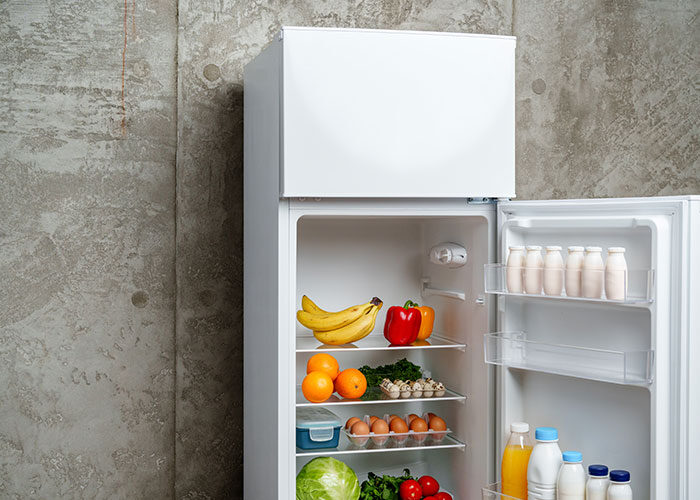
Have you ever opened your refrigerator and wondered if it’s at the right temperature? You might not realize it, but maintaining the correct refrigerator temperature is crucial for keeping your food fresh and safe.
You could be unknowingly compromising your groceries’ quality, leading to unnecessary waste and even potential health risks. Imagine the peace of mind that comes with knowing your food is stored at the optimal temperature. You’ll discover the ideal refrigerator temperature setting, why it matters, and how you can easily ensure your fridge is at its best.
Stay with us to learn simple tips that could save you money and keep your family healthy.
Credit: www.larazon.es
Ideal Refrigerator Temperature
Setting the ideal temperature in a refrigerator is essential for keeping food fresh and safe. The right temperature slows bacteria growth, preserving taste and nutrients. It also prevents food from freezing or spoiling too quickly. Knowing the correct range helps save energy and extends the appliance’s life.
Recommended Temperature Range
The ideal refrigerator temperature is between 1°C and 4°C (34°F and 39°F). This range keeps most foods fresh without freezing them. The freezer section should be at -18°C (0°F) or lower. Temperatures above 4°C (39°F) can cause food to spoil faster.
Temperature Differences Inside The Fridge
Temperature varies in different fridge zones. The back and bottom tend to be colder. The door is warmer due to frequent opening. Store perishables like meat and dairy in the coldest areas. Use the door for condiments and drinks that tolerate slight warmth.
Effects Of Incorrect Temperatures
Setting the right temperature in a refrigerator is vital for food safety and appliance efficiency. Incorrect temperatures can cause problems that affect your food’s quality and your energy bills. Understanding these effects helps keep your fridge working well and your food fresh longer.
Food Spoilage Risks
Too warm temperatures allow bacteria to grow faster. Food spoils quickly, causing bad smells and waste. Frozen items may partially thaw and lose texture. Cold spots might freeze some foods, damaging their taste. Keeping your fridge too cold can also dry out fruits and vegetables.
Energy Consumption Impact
A fridge set too cold uses more electricity. This raises your energy bills and wastes power. The compressor works harder to maintain low temperatures. Over time, this strain can shorten the fridge’s lifespan. Proper temperature settings save energy and keep your appliance healthy.
How To Measure Fridge Temperature
Measuring your fridge’s temperature accurately is essential to keep your food fresh and safe. You might think the built-in settings are enough, but actual temperatures can vary. Taking a moment to check can prevent spoiled groceries and save you money.
Using A Thermometer
A fridge thermometer is the most reliable tool to measure the internal temperature. Place the thermometer in the middle shelf, away from the door and walls, to get an accurate reading.
Wait at least 5 hours before checking the temperature to allow the thermometer to adjust. Ideally, your fridge should be between 1°C and 4°C (34°F to 39°F). If it’s outside this range, your food might not be stored safely.
I once ignored this step and found out my fridge was running too warm—my leftovers spoiled faster than usual. A simple thermometer helped me fix the problem quickly.
Checking Temperature Settings
Most refrigerators have a dial or digital control panel to adjust the temperature. These settings usually range from 1 (coldest) to 7 (warmest), but the scale can vary by model.
Don’t just rely on the number; test the actual temperature inside with a thermometer. If you find it too warm or too cold, tweak the settings and check again after a few hours.
Remember, setting your fridge too cold can freeze your fruits or vegetables, while too warm can spoil milk or meats. Have you checked if your dial matches the real temperature lately?
Tips For Maintaining Optimal Cooling
Maintaining the ideal temperature in your refrigerator is key to keeping food fresh and safe. Proper care helps the appliance work efficiently and lowers energy costs. Small habits can make a big difference in how well your fridge cools.
Proper Food Arrangement
Organize items to allow air to flow freely inside the fridge. Avoid overpacking shelves and keep space between containers. Store raw meat on the bottom shelf to prevent drips. Use clear containers to find food quickly without opening the door too long.
Regular Cleaning And Defrosting
Clean spills and crumbs promptly to stop bad odors and mold. Wipe shelves and walls with mild soap and water. Defrost the freezer when ice builds up over a quarter-inch thick. Ice buildup reduces cooling power and wastes energy.
Avoiding Frequent Door Openings
Open the fridge door only when necessary and close it quickly. Plan what you need before opening to save time. Frequent door openings let warm air in and make the fridge work harder. This can raise the inside temperature and spoil food faster.
Common Refrigerator Temperature Problems
Refrigerators often face temperature problems that affect food safety and freshness. These issues can cause uneven cooling or unwanted temperature spikes inside the fridge. Understanding common refrigerator temperature problems helps keep food fresh longer and avoid waste.
Inconsistent Cooling
Inconsistent cooling happens when the fridge temperature changes frequently. Some areas may be cold while others stay warm. This can cause food to spoil faster. Causes include a dirty condenser coil, blocked vents, or a malfunctioning thermostat. Regular cleaning and checking the door seal can improve cooling consistency.
Freezer Overcooling
Freezer overcooling means the freezer becomes too cold. Ice may build up on food or walls. This wastes energy and harms food texture. Overcooling can result from a broken thermostat or faulty temperature sensor. Adjusting the temperature settings or calling a technician can fix this problem.
Warm Spots
Warm spots appear when parts of the fridge do not get enough cold air. These areas can cause food spoilage and bad smells. Warm spots often happen due to poor air circulation or a blocked air vent. Keeping the fridge organized and avoiding overpacking can help air flow better.

Credit: refrigeracionner.com
Adjusting Temperature For Different Seasons
Adjusting your refrigerator’s temperature based on the seasons can save energy and keep your food fresher longer. Different weather conditions affect how hard your fridge has to work. Knowing how to tweak the settings ensures optimal performance year-round.
Warmer Months Adjustments
During warmer months, your refrigerator faces higher ambient temperatures. This means it needs to work harder to maintain the cool inside. You might notice it running more frequently or for longer periods.
To help your fridge keep up, lower the temperature slightly. Aim for around 37°F (3°C) to 40°F (4°C)for the fridge compartment. This helps prevent food spoilage when the kitchen gets hot.
Also, avoid opening the fridge too often or leaving the door open for long. Each time warm air enters, the fridge uses more energy to cool down again. Have you ever noticed your fridge running non-stop during a summer heatwave? Adjusting the temperature can reduce this stress.
Colder Months Adjustments
In colder months, your refrigerator doesn’t have to work as hard. The surrounding air is cooler, so the fridge naturally stays closer to its ideal temperature. You can afford to raise the temperature a bit without risking your food quality.
Set your fridge temperature to about 39°F (4°C) to 42°F (6°C). This saves energy and prevents overcooling. Overly cold fridges can freeze certain fruits and vegetables, ruining their texture.
Check if your fridge is placed near a heat source or draft, as this affects how you adjust the settings. Have you ever found your veggies frozen while the fridge felt too warm? Small tweaks during colder months can fix that.

Credit: www.manual.gt
Frequently Asked Questions
What Is The Ideal Refrigerator Temperature?
The ideal refrigerator temperature is between 35°F and 38°F (1. 7°C to 3. 3°C). This range keeps food fresh and prevents bacteria growth effectively.
Why Should My Fridge Be Set Below 40°f?
Setting your fridge below 40°F slows bacterial growth, reducing food spoilage. It ensures food safety and extends shelf life.
How Often Should I Check My Refrigerator Temperature?
Check your refrigerator temperature weekly using a fridge thermometer. Regular checks maintain optimal cooling and prevent food spoilage.
Can Temperature Fluctuations Damage Food In The Fridge?
Yes, temperature fluctuations can cause food spoilage and affect texture. Consistent cooling preserves food quality and safety.
Conclusion
Keeping your refrigerator at the right temperature saves food and money. Set it between 35°F and 38°F for best results. This range stops bacteria from growing too fast. Avoid setting it too cold to prevent freezing fresh produce. Check the temperature often with a fridge thermometer.
Clean the fridge regularly to keep it working well. Small actions help your food stay fresh longer. Simple steps make a big difference in food safety. Remember, a well-set fridge protects your health and wallet.