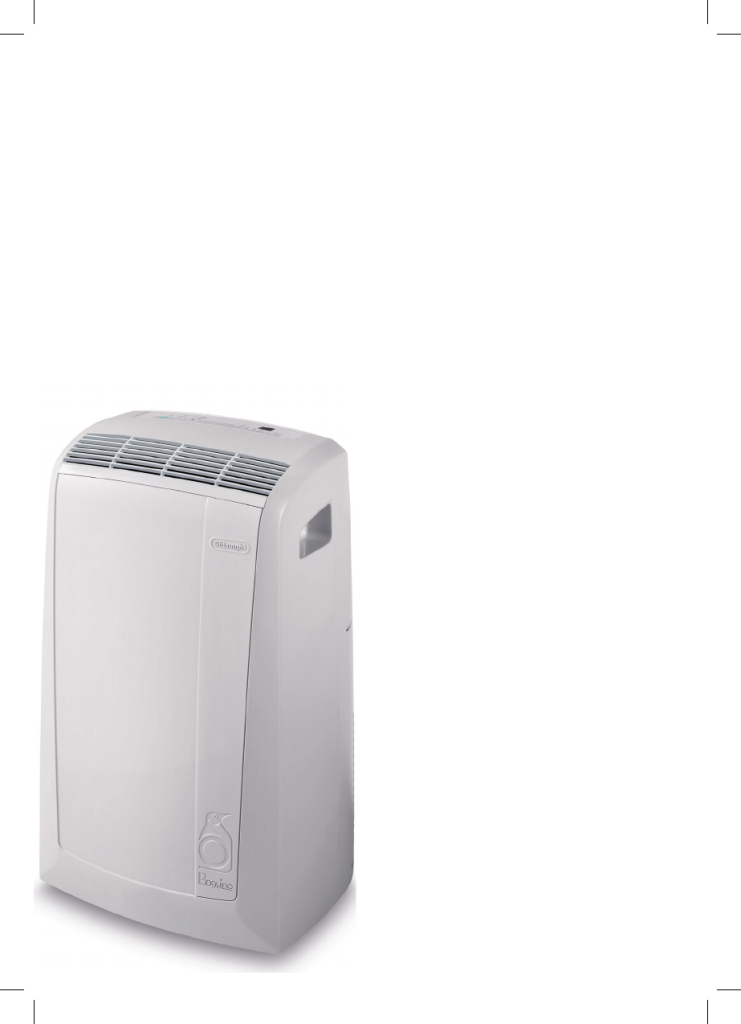
Are you struggling to figure out how to get the most from your De’Longhi Pinguino Portable Air Conditioner? You’re not alone.
This powerful unit can be a game-changer for keeping your space cool, but only if you know exactly how to use it. In this guide, you’ll find clear and simple instructions straight from the official manual. By the end, you’ll feel confident setting up, operating, and maintaining your Pinguino for the best performance.
Ready to unlock the full potential of your portable air conditioner? Let’s dive in.
Product Features
The De’Longhi Pinguino Portable Air Conditioner Manual explains easy setup and use. It covers cooling modes, timer settings, and maintenance tips for best performance. Clear instructions help users operate the unit safely and efficiently.
Cooling Capacity
The De’Longhi Pinguino cools rooms quickly and efficiently. It works well in small to medium spaces. The cooling power keeps the air fresh and comfortable. You can adjust settings easily to match your needs.
Energy Efficiency
This air conditioner uses less energy to save money on bills. It has an energy-saving mode to lower power use. The unit runs smoothly without wasting electricity. A smart choice for those who want to save energy.
Noise Levels
The unit operates quietly, so it won’t disturb your peace. It is perfect for bedrooms or offices. You can enjoy cool air without loud sounds. Great for people who need calm surroundings.
Portability Benefits
- Lightweight design makes it easy to move around.
- Built-in handles help carry it from room to room.
- No permanent installation needed; just plug and play.
- Flexible for use in different spaces and seasons.
Unboxing And Components
Inside the box, find the De’Longhi Pinguino Portable Air Conditioner and its manual. The package includes essential parts for easy setup and use. Clear instructions help with quick assembly and operation.
Included Accessories
- De’Longhi Pinguino Portable Air Conditionerunit
- Exhaust hose for hot air
- Window kit for hose installation
- Remote control with batteries
- User manual and warranty card
Checking For Damages
Carefully open the box and remove all items.
Inspect each part for any visible damage or cracks.
Check the exhaust hose for holes or tears.
Ensure the remote control buttons work properly.
Report any damage to the seller immediately.
Installation Steps
Choose a location near a window for easy venting. Ensure the area is flat and sturdy to hold the unit. Keep space around the air conditioner for good airflow. Avoid direct sunlight and heat sources to improve cooling.
The window kit must fit your window size. Place the window kit securely in the open window gap. Seal any openings to prevent hot air from entering. Adjust the kit to make it tight and stable.
Attach the exhaust hose firmly to the air conditioner’s outlet. Connect the other end of the hose to the window kit. Make sure the hose is straight and not bent. This helps hot air flow out smoothly.
| Power Requirements | Details |
|---|---|
| Voltage | 120V AC |
| Frequency | 60 Hz |
| Dedicated Circuit | Recommended to avoid overload |
| Plug Type | 3-prong grounded |

Credit: manuals.plus
Control Panel Guide
The control panel of the De’Longhi Pinguino Portable Air Conditioner is easy to use. Each buttonhas a clear function that helps you control the device.
- Power Button:Turns the unit on or off.
- Mode Button:Switches between cooling, fan, and dehumidifying modes.
- Fan Speed:Adjusts the airflow speed from low to high.
- Timer:Sets the unit to run for a specific time.
- Temperature Control:Increases or decreases the desired temperature.
The display indicatorsshow the current mode, temperature, and timer settings. Lights confirm which functions are active.
The remote control lets you operate the air conditioner from a distance. It has all main buttons found on the control panel. This makes changing settings quick and easy.
Operating Modes
The Cooling Modelowers the room temperature quickly.
It uses a compressor and fan to remove heat from the air.
Dehumidifying Modereduces moisture in the air without much cooling.
This helps stop dampness and keeps the room comfortable.
Fan Modemoves air around without cooling or dehumidifying.
Use this mode for simple air circulation.
Timer Settingslet you set the machine to turn on or off automatically.
This feature saves energy and makes operation easy.
Maintenance Tips
Cleaning filtersregularly keeps the air conditioner working well. Remove the filters gently and wash them with warm water. Let them dry completely before placing them back. This stops dust and dirt from blocking airflow and keeps the air fresh.
Draining wateris important to avoid leaks or damage. Check the water tank often and empty it when full. Use the drain plug to release water safely. This helps the unit run smoothly and prevents bad smells.
Storing the unitproperly protects it during off-seasons. Clean and dry all parts before storage. Cover the unit with a cloth or plastic cover to keep dust away. Store it in a cool, dry place to keep it ready for next use.
Troubleshooting Common Issues
Unit Not Coolingcan happen if the air filter is dirty. Clean or replace the filter regularly. Make sure the exhaust hose is properly connected and not blocked. Check if the room temperature is within the unit’s working range.
Water Leakageoften occurs when the unit is not level. Place it on a flat surface. The water tank might be full; empty it if needed. Check for any cracks or holes in the drainage system.
Unusual Noisesmay come from loose parts or debris inside. Tighten any loose screws and clean the unit’s interior. Some noise is normal when the compressor starts or stops.
| Error Code | Meaning | Action |
|---|---|---|
| E1 | Water tank full | Empty the water tank |
| E2 | Temperature sensor error | Restart unit or call service |
| E3 | Fan malfunction | Check fan for blockages |

Credit: www.manualslib.com
Safety Precautions
Electrical safetyis key. Always plug the unit into a properly grounded outlet. Avoid using extension cords or power strips. Never touch the plug with wet hands. Turn off and unplug before cleaning or moving the device. Check the power cord for damage regularly. If damaged, do not use the air conditioner.
Proper ventilationensures the unit works well. Place the air conditioner near a window or door. Use the exhaust hose to vent hot air outside. Keep the hose straight and free from obstructions. Avoid placing the unit in small, closed spaces. Good airflow prevents overheating and improves cooling.
- Handling and transportrequires care.
- Always turn off and unplug before moving the unit.
- Use both hands to lift and carry it.
- Do not tilt the unit too much to avoid spills inside.
- Store the unit upright in a dry place when not in use.

Credit: device.report
Frequently Asked Questions
How Do I Set Up The De’longhi Pinguino Air Conditioner?
Unbox the unit and attach the exhaust hose to the window kit. Secure the window kit in a window. Plug in the unit and turn it on to start cooling.
Where Can I Find The De’longhi Pinguino Manual?
The manual is available on De’Longhi’s official website under support or downloads. You can also find printed copies inside the product box.
How Do I Clean The De’longhi Pinguino Air Filter?
Turn off and unplug the unit. Remove the air filter, rinse it gently with water, and let it dry completely before reinstalling.
Can I Use The De’longhi Pinguino Without The Exhaust Hose?
No, the exhaust hose is essential for venting hot air outside. Using the unit without it reduces cooling efficiency and may cause overheating.
Conclusion
The De’Longhi Pinguino Portable Air Conditioner is a great choice. It cools efficiently and is easy to use. The manual helps you set it up quickly. Follow the instructions for best performance. Remember to clean the filters regularly. This keeps the air conditioner working well.
Enjoy a comfortable home with this device. If you face issues, refer to the troubleshooting section. It offers solutions for common problems. The manual is your guide to optimal use. Stay cool and relaxed with De’Longhi Pinguino.