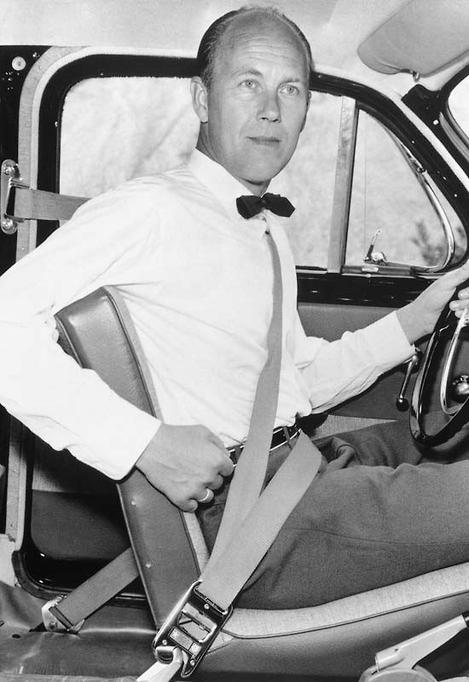
Have you ever wondered if cars in the 1960s had seat belts? You might be surprised by what you discover.
Seat belts are so common now that it’s hard to imagine driving without them. But back then, things were very different. Understanding how and when seat belts became a part of your car can change the way you see driving history—and safety.
Keep reading to uncover the truth about seat belts in the 1960s and why they matter to you today.
Seat Belts In Early Cars
Seat belts are common in cars today. Many people wonder if cars had seat belts in the 1960s. The story of seat belts in early cars shows how safety grew over time.
Car makers and safety experts worked to make driving safer. Seat belts were part of this effort, but their use was not always required or popular.
First Appearances In Automobiles
Seat belts first appeared in cars in the 1950s. Some luxury cars offered them as optional features. Most cars did not have seat belts installed.
In the early 1960s, some manufacturers started to include seat belts as standard equipment. These belts were usually lap belts, not the three-point belts used today.
- 1959: Volvo introduced the three-point seat belt.
- Early 1960s: Some US cars added lap belts in front seats.
- Rear seat belts were rare before the late 1960s.
Safety Standards Before The 1960s
Before the 1960s, there were few safety rules for cars. Seat belts were not required by law in most places. Drivers and passengers often did not use them.
Car safety focused more on strong body design. Some states began to pass laws about seat belts in the late 1960s. This helped increase their use and saved lives.
- No federal seat belt laws before 1968 in the US.
- Some states required seat belts in front seats by late 1960s.
- Public awareness about seat belts was low before the 1960s.

Credit: www.snopes.com
Seat Belt Adoption In The 1960s
In the 1960s, seat belts started to become more common in cars. This decade marked the beginning of important safety changes for drivers and passengers.
Car makers, popular car models, and public opinions all played a part in how seat belts were accepted during this time.
Car Manufacturers’ Role
Car manufacturers began to add seat belts to new models in the early 1960s. Some companies included seat belts as standard, while others offered them as optional features.
They also worked with safety experts to improve seat belt designs. This helped make seat belts easier to use and more effective in crashes.
Popular Models With Seat Belts
| Car Model | Year Introduced | Seat Belt Type |
| Volvo Amazon | 1959 | Lap and shoulder belts |
| Ford Mustang | 1964 | Lap belts standard |
| Chevrolet Impala | 1965 | Lap belts optional |
| Volkswagen Beetle | 1960 | Lap belts added |
These models helped many drivers get used to wearing seat belts. Some cars had better belts that covered both lap and shoulder areas.
Public Awareness And Reception
In the 1960s, many people did not wear seat belts regularly. Some thought seat belts were uncomfortable or not needed.
- Safety campaigns started to explain why seat belts save lives.
- Some states passed laws requiring seat belt use in cars.
- Doctors and police officers urged the public to buckle up.
These efforts slowly changed how people saw seat belts. By the end of the decade, more drivers accepted them as a safety tool.
Government Regulations And Laws
In the 1960s, car safety became a focus for governments. They started making rules to protect drivers and passengers. One key area was seat belt use and installation in cars.
This article looks at the laws and rules about seat belts in the 1960s. It covers early laws, how these affected seat belt use, and how the rules were enforced.
Initial Safety Legislation
In the early 1960s, governments began to create laws to improve car safety. The first rules focused on making seat belts available in new cars. These laws aimed to reduce injuries in crashes.
For example, in 1966, the United States passed the National Traffic and Motor Vehicle Safety Act. This law required car makers to add seat belts in all new cars by 1968.
Impact On Seat Belt Installation
These laws forced car makers to install seat belts. At first, only front seats had belts. Rear seat belts came later. The rules made seat belts standard equipment.
- Seat belts became part of new cars after 1968.
- Most cars had lap belts in front seats.
- Shoulder belts were added later in the decade.
- Rear seat belts were rare in the early 1960s.
Enforcement And Compliance
Even with laws, seat belt use was not always required. Some states made wearing belts mandatory. Others only suggested it. Enforcement varied a lot.
| Year | State | Seat Belt Law Type | Enforcement Level |
| 1968 | California | Use Encouraged | Low |
| 1969 | New York | Use Required | Moderate |
| 1970 | Maryland | Use Required | High |
Technological Advances In Seat Belts
Seat belts in the 1960s saw important changes. These advances made cars safer for drivers and passengers. The technology improved to protect people better in crashes.
The 1960s was a time when seat belts became more common in cars. Car makers worked on different designs and safety features. These efforts helped reduce injuries on the road.
Types Of Seat Belts Used
During the 1960s, car manufacturers used several types of seat belts. Some were simple, while others offered more protection.
- Lap belts: These go across the waist and were common in early 1960s cars.
- Two-point belts: These fastened at two points and helped keep passengers in place.
- Three-point belts: Introduced later, these belts went over the shoulder and lap for better safety.
- Automatic belts: Some cars started using belts that moved into place automatically.
Innovations During The Decade
The 1960s brought several new ideas to seat belt design. These innovations aimed to increase comfort and safety.
| Innovation | Description |
| Three-point belt | Combined lap and shoulder belts for better protection. |
| Retractable belts | Allowed belts to pull out and retract for ease of use. |
| Shoulder harness | Added support across the chest to reduce injury. |
| Improved buckles | Made fastening and releasing belts easier and faster. |
Cultural Attitudes Toward Seat Belts
Seat belts were not common in cars during the 1960s. People had many opinions about using them. Some saw seat belts as helpful, while others did not want to wear them.
This topic looks at how the culture of the 1960s shaped the views on seat belts. The public’s reaction and the media’s role influenced safety habits.
Public Resistance And Acceptance
Many drivers and passengers in the 1960s did not like seat belts. They thought seat belts were uncomfortable and unnecessary. Some people believed seat belts could trap them in a crash.
- Fear of being trapped during accidents
- Belief that seat belts were not needed for short trips
- Discomfort and inconvenience while wearing them
- Distrust of new car safety technology
- Some felt seat belts limited their freedom
Still, some drivers began to accept seat belts as more cars included them. Over time, more people saw the benefits of seat belts for safety.
Media Influence On Safety Perceptions
The media played a big role in shaping how people saw seat belts. Newspapers and TV showed crash tests and safety reports. Some media reports encouraged seat belt use.
| Media Type | Effect on Seat Belt Views |
| Newspapers | Shared safety studies and laws |
| Television | Displayed crash tests and warnings |
| Advertisements | Promoted seat belt importance |
| Movies | Sometimes showed drivers without belts |
Media helped some people accept seat belts but also showed mixed messages. This mix slowed down full acceptance of seat belt use in the 1960s.
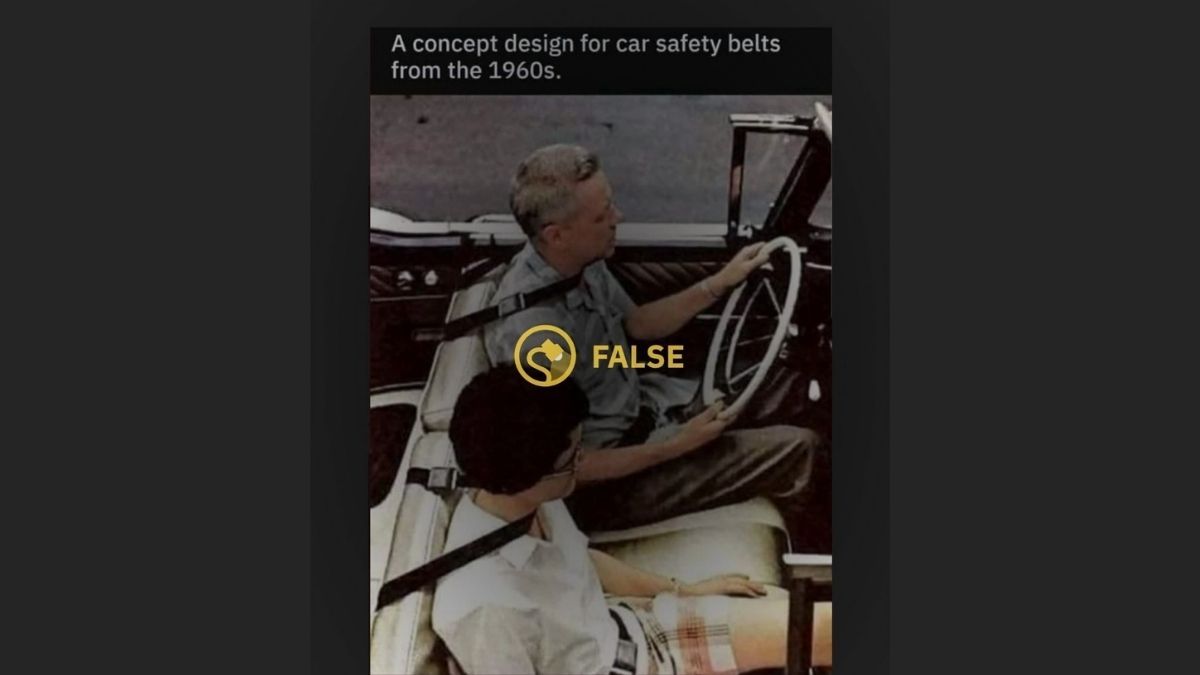
Credit: www.snopes.com
Legacy Of 1960s Seat Belt Usage
Seat belts were not common in cars during the early 1960s. Many cars did not have seat belts at all. By the end of the decade, seat belts started to become more common due to safety concerns.
The 1960s set the stage for future safety rules. This era showed the importance of seat belts in saving lives. It also helped change how people think about car safety.
Influence On Future Car Safety
The 1960s seat belt use influenced car safety rules that came later. Laws were made to require seat belts in cars. This made cars safer for everyone inside.
Car makers started to design better seat belts. They made belts easier to use and more comfortable. This helped more people wear seat belts every time they drove.
- Seat belts became standard in new cars
- Seat belt laws were passed in many states
- Improved designs increased belt use
- Safety testing began to include seat belt effectiveness
Lessons Learned From The Era
The 1960s showed that seat belts save lives. Car crashes had fewer deaths where seat belts were used. This data helped convince lawmakers to act.
People learned that wearing seat belts is a simple way to stay safe. The 1960s also taught that public education is important. Teaching about seat belts helped increase usage over time.
- Seat belts greatly reduce injury in crashes
- Public awareness improves seat belt use
- Safety laws protect drivers and passengers
- Car design must focus on passenger safety

Credit: www.youtube.com
Frequently Asked Questions
Did Cars Have Seat Belts In The 1960s?
Yes, some cars in the 1960s had seat belts, but they were not standard. Seat belts became more common after safety regulations were introduced in the late 1960s. Early seat belts were mostly lap belts, with shoulder belts appearing later.
When Did Seat Belts Become Mandatory In Cars?
Seat belts became mandatory in U. S. cars starting in 1968. The Federal Motor Vehicle Safety Standard 208 required front-seat seat belts. This law significantly increased seat belt usage and improved passenger safety over the following years.
Were Seat Belts Effective In The 1960s?
Seat belts in the 1960s were effective in reducing injuries but less advanced than today’s. Early lap belts helped prevent ejection and serious injuries. Modern three-point belts, introduced later, offer better protection for all passengers.
Why Didn’t All 1960s Cars Have Seat Belts?
Not all 1960s cars had seat belts because safety regulations were new and not yet mandatory. Some manufacturers delayed adding them due to cost and consumer demand. Public awareness of seat belt benefits was also low during this period.
Conclusion
Seat belts in the 1960s were not common in all cars. Many vehicles did not have them installed by default. Over time, safety rules made seat belts standard. Today, seat belts save many lives every day. Knowing this history helps us value car safety more.
Seat belts protect drivers and passengers from serious harm. Always wear your seat belt for a safer ride. It is a simple step that makes a big difference. Safety in cars has improved a lot since the 1960s.