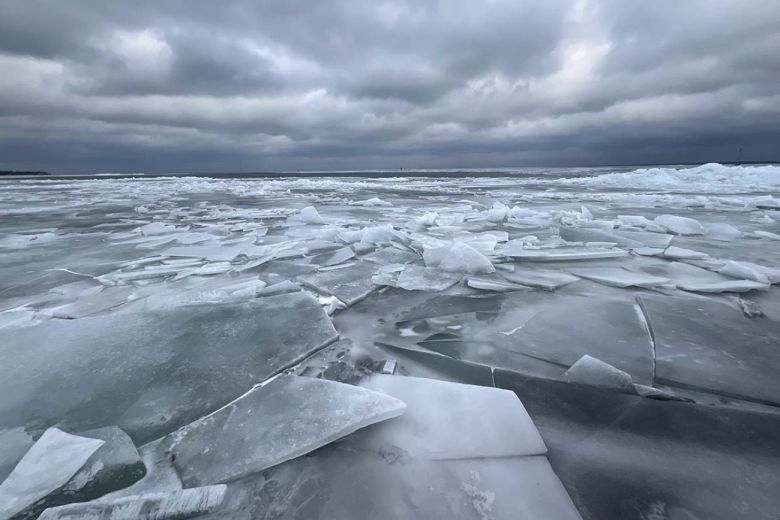
Have you ever wondered if the massive Lake Superior, one of the largest freshwater lakes in the world, ever completely freezes over? This intriguing question has fascinated both locals and tourists alike.
Imagine standing on its frozen expanse, feeling the crisp winter air on your face, and witnessing a breathtaking natural wonder. But does this majestic lake actually freeze solid? You’ll uncover the secrets of Lake Superior’s icy transformation, learn about the science behind its freezing process, and discover the amazing stories and myths that surround this chilly phenomenon.
Get ready to dive into a world of icy marvels, where nature’s wonders await your exploration.

Credit: medium.com
Lake Superior’s Freezing Patterns
Lake Superior’s freezing patterns are unique and complex. This massive freshwater lake rarely freezes completely. The freezing depends on many factors like temperature, wind, and water depth. Understanding these patterns helps explain why Lake Superior’s ice cover varies each year.
Seasonal Ice Formation
Ice begins to form along the lake’s shores in late autumn. As cold air settles, the surface water cools quickly. The shallow areas freeze first, creating a fringe of ice. Strong winds can break this ice, delaying full coverage. Usually, ice thickness grows slowly through winter. By mid-winter, large parts of the lake may be covered. However, the lake’s deep center often stays ice-free due to water movement.
Historical Freeze Records
Historical data shows that full ice coverage is rare. The last time Lake Superior froze entirely was in 1979. In some winters, ice covers up to 90% of the lake surface. Other years, ice cover is less than 10%. Scientists track these changes to understand climate impact. These records help predict future freezing trends and guide local communities.

Credit: medium.com
Factors Affecting Freeze Over
Understanding why Lake Superior freezes over involves looking closely at several key factors. These elements work together in complex ways, influencing whether the lake’s vast waters turn solid during winter. Knowing these can help you predict freeze patterns and appreciate the unique nature of this giant lake.
Temperature Variations
Air temperature plays a crucial role in freezing Lake Superior. The lake needs prolonged periods of below-freezing temperatures for ice to form and thicken. Sudden warm spells can melt ice quickly, making freeze-over unpredictable.
Even small changes in temperature can delay or accelerate freezing. Have you noticed how a few cold nights can suddenly transform a watery lake edge into a slippery ice sheet? That’s temperature variation in action.
Wind And Weather Impact
Wind affects how and where ice forms on the lake. Strong winds can break up ice as it forms, pushing chunks around and preventing a smooth freeze. Calm, still weather allows ice to build up more steadily.
Weather patterns like storms or sudden temperature shifts also disrupt the freeze process. If you’ve ever watched the lake during a windy winter day, you know how restless the water can stay, resisting solid ice formation.
Water Depth And Size
Lake Superior’s immense size and deep waters make freezing more difficult. Deep water holds heat longer, slowing the cooling process. This is why the lake often freezes last compared to smaller, shallower lakes.
Areas with shallower water tend to freeze faster and more solidly. If you’re near the shore, you might see ice much earlier than farther out in the lake. This difference can help you understand local freeze patterns better.
Notable Freeze Events
Lake Superior is famous for its cold winters and icy conditions. Some winters have caused the lake to freeze over completely or partially. These freeze events attract attention because of their rarity and impact on the environment and local communities.
The freezing of such a large body of water depends on many factors. Temperature, wind, and snowfall all play key roles. Over the years, several notable freeze events have been recorded, showing how the lake reacts to extreme cold.
Complete Freeze Occurrences
Complete freezing of Lake Superior is rare. It happens only during very cold winters. The entire surface turns solid ice, covering thousands of square miles.
- The last full freeze was recorded in the winter of 1978-1979.
- During this time, ice thickness reached several feet in some areas.
- Complete freezes can last for weeks but usually melt quickly in spring.
Such events are important for scientists studying climate and lake ecology. They show how the lake responds to long, harsh cold periods.
Partial Ice Coverage Years
Partial freezing happens more often than full freeze. Large parts of the lake become covered with ice, but some water remains open.
- Partial freezes were common in the early 1900s and during cold winters in the 2010s.
- Ice coverage can range from 30% to over 90% of the lake’s surface.
- These years often see thick ice forming near shorelines and in bays.
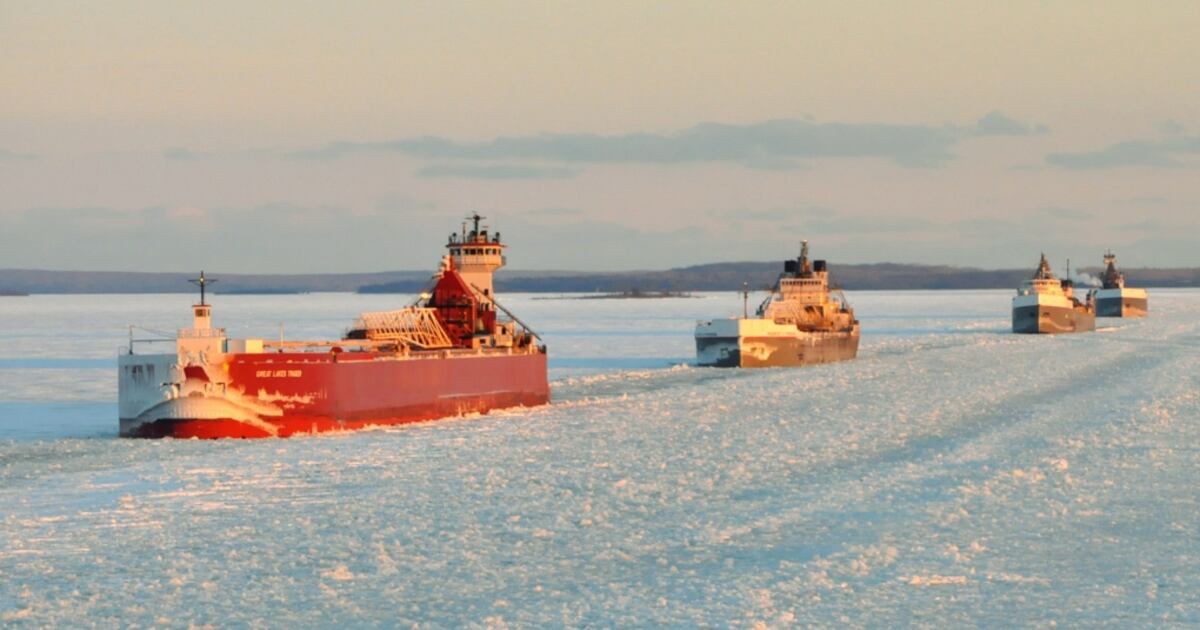
Partial freeze events affect shipping and fishing on the lake. They also change habitats for fish and birds during winter months.
Credit: www.ctvnews.ca
Impact On Environment And Wildlife
The freezing of Lake Superior has a strong effect on its environment and wildlife. Ice cover changes water temperature, sunlight, and oxygen levels. These shifts affect plants, fish, and other creatures living in and around the lake. Understanding these impacts helps us see how nature copes with extreme cold.
Ecosystem Changes During Freeze
Ice cover blocks sunlight from reaching underwater plants. This lowers photosynthesis and reduces oxygen production. Oxygen levels near the lake bottom may drop, stressing fish and other animals. Nutrient movement also slows, affecting the whole food chain.
The frozen surface acts as a barrier. It limits wind and wave action, calming the water below. This calmness changes how sediments settle and where nutrients gather. Some species may find new areas for feeding or spawning because of this.
Wildlife Adaptations
Animals in Lake Superior adapt to survive long freeze periods. Fish slow their metabolism to use less oxygen and energy. Some species move to deeper parts with more stable conditions.
Birds change their habits too. Many migrate to warmer areas. Others stay and rely on open water near shorelines or rivers. Mammals like otters and beavers grow thicker fur for warmth. They also store food or change their diets during winter.
Human Activities And Safety
Lake Superior’s icy surface tempts many to step outside and enjoy winter activities. But human interaction with frozen water carries real risks that demand respect and caution. Understanding how people use the frozen lake and what safety measures to take can keep your adventures both fun and secure.
Ice Travel And Recreation
People often travel on Lake Superior’s ice for fishing, snowmobiling, and even hiking. The frozen lake creates a vast, open playground during the cold months. I remember joining a group for ice fishing last winter; the excitement was high, but we constantly checked the ice thickness to stay safe.
Before venturing out, confirm the ice is thick enough—generally at least 4 inches for walking and 5-7 inches for snowmobiles. Local authorities or park services often provide updates on ice conditions. Always carry safety gear like ice picks, a rope, and wear a flotation suit if possible.
Risks And Precautions
Thin ice and sudden cracks pose serious threats. Even when the lake looks solid, temperature shifts and underwater currents can weaken the ice unexpectedly. Have you ever considered how quickly ice conditions can change after a warm day?
To reduce dangers, never travel alone and let someone know your plans. Avoid areas near inlets, outlets, or places with moving water, as these spots freeze unevenly. If you hear cracking, lie flat to spread your weight and crawl back the way you came.
- Check local ice reports before heading out.
- Wear bright clothing for visibility.
- Bring a charged phone in a waterproof case.
- Know basic rescue techniques before going.
Your safety depends on respect for the lake’s power and preparation. What steps will you take next time you step onto frozen Lake Superior?
Climate Change Effects
Climate change has altered weather patterns worldwide. It impacts how and when Lake Superior freezes. The lake’s massive size and cold climate once guaranteed thick ice in winter. Now, changes in temperature and snowfall affect this natural cycle.
Shifts In Freeze Patterns
Lake Superior no longer freezes as early or as fully as before. Winters have become milder, delaying ice formation. The ice cover lasts fewer days each year. This shift changes the lake’s ecosystem and local weather. Warmer air and water temperatures reduce ice thickness. Ice may form unevenly or break apart quickly.
Future Predictions
Scientists expect continued warming to further reduce ice coverage. By mid-century, Lake Superior might freeze less than half the time it once did. This change could affect fish habitats and water quality. Winter tourism and local communities may face challenges. Monitoring these trends helps prepare for a warmer, less icy future.
Frequently Asked Questions
Did Lake Superior Ever Completely Freeze Over?
Lake Superior has almost completely frozen over several times, especially during harsh winters in the 20th century. Complete ice cover is rare due to its vast size and depth, but thick ice sheets do form in colder years, impacting shipping and local ecosystems.
How Often Does Lake Superior Freeze In Winter?
Lake Superior typically freezes partially each winter, but full freezing is uncommon. Ice coverage depends on weather, temperature, and wind patterns. Most winters see significant ice nearshore, while the middle often stays ice-free, allowing limited winter navigation.
What Causes Lake Superior To Freeze Or Not Freeze?
Lake Superior freezes based on temperature, wind, and water currents. Cold, calm winters promote ice formation. Strong winds and deep water delay freezing by mixing the surface. Climate variations also influence yearly ice coverage, affecting freeze duration and extent.
Is It Safe To Walk On Lake Superior Ice?
Walking on Lake Superior ice can be risky due to uneven thickness and potential cracks. Only in very cold, stable winters with official safety checks is it safer. Always consult local authorities before venturing onto the ice to avoid accidents.
Conclusion
Lake Superior rarely freezes completely due to its size and depth. Cold winters can cause ice to form near the shorelines. This ice changes each year depending on weather conditions. The lake’s freezing patterns affect nearby wildlife and communities. Watching the ice grow and melt is fascinating.
Nature’s power shows clearly on this great lake. Understanding these patterns helps us appreciate Lake Superior more. Keep an eye on winter reports for ice updates. The lake’s icy moments are special but not always full.