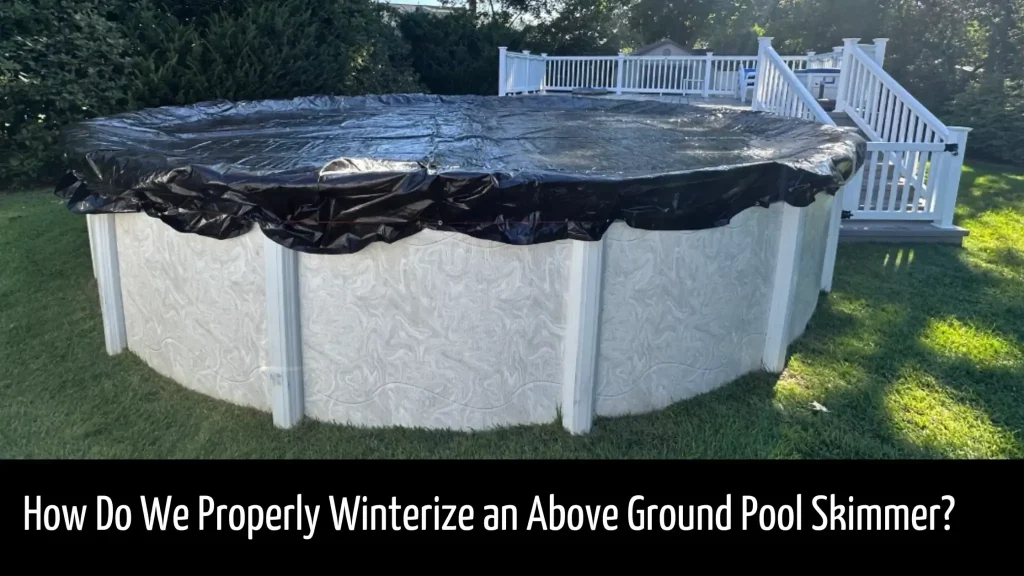
When winter’s chill arrives, you’re probably wondering, “Do above ground pools freeze in the winter?” This is a common concern for pool owners like you who want to protect their investment.
As temperatures drop, you might imagine the worst-case scenarios for your backyard oasis. But fear not! Understanding what happens to your pool during the colder months can save you from costly repairs and unnecessary stress. Picture yourself sipping hot cocoa, knowing your pool is safe from winter’s grasp.
Ready to discover how to keep your pool in top shape all year round? Dive into this article and uncover the secrets to winter-proofing your above ground pool.
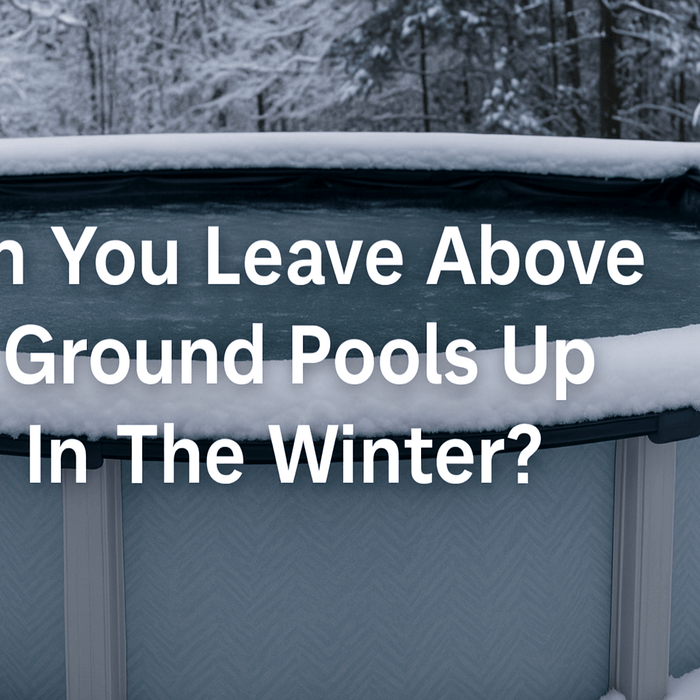
Credit: happyhideouts.co.uk
Freezing Risks For Above Ground Pools
Above ground pools face serious risks during freezing winter months. Water expands as it freezes, putting pressure on pool structures. This expansion can cause cracks and leaks that are costly to repair. Knowing the risks helps protect your pool from winter damage. It also aids in proper winterizing steps.
How Cold Affects Pool Water
Water begins to freeze at 32°F (0°C). As temperatures drop, ice forms on the surface of the pool. Ice expands and pushes against the pool walls. This pressure can crack liners and weaken the frame. Cold slows down chemical reactions, making water less balanced. Unbalanced water can cause corrosion or scaling inside the pool.
Materials Vulnerable To Freezing
Above ground pools use various materials, each with freeze risks. Vinyl liners are thin and can crack under ice pressure. Metal frames may bend or rust if water seeps in. Plastic components become brittle and break more easily in cold weather. Pool pumps and filters can also freeze and stop working. Protecting these materials helps avoid costly winter damage.
Common Freeze Damage
- Cracked or torn vinyl liners
- Warped or bent metal frames
- Broken plastic fittings and pipes
- Damaged pool pumps and filters
- Leaks caused by ice expansion
These damages reduce pool life and increase repair costs. Regular winter care prevents freeze damage and keeps pools safe. Draining water from vulnerable parts and using pool covers are effective steps.

Credit: www.reddit.com
Preventing Freeze Damage
Preventing freeze damage is crucial for keeping above ground pools safe during winter. Water expands as it freezes, which can cause cracks and breaks in pool walls and pipes. Taking steps to protect your pool helps avoid costly repairs and extends its life. Simple actions can reduce the risk of damage from ice and cold weather.
Using Pool Covers
Pool covers block debris and reduce heat loss. They keep the water surface insulated, slowing down freezing. A sturdy winter cover fits tightly over the pool edges. Look for covers made of heavy-duty material designed for cold weather. Secure the cover firmly to prevent wind from lifting it. This protects your pool from ice buildup and damage.
Installing Pool Heaters
Pool heaters maintain water temperature above freezing. They stop ice from forming on the surface. Small, energy-efficient heaters work well for above ground pools. Keep the heater running at a low setting during cold nights. This method uses less energy and still protects the pool structure. Heaters are a reliable way to prevent freeze damage.
Proper Winter Maintenance
Regular maintenance is key to winter pool care. Check water levels and keep them balanced to avoid pipe damage. Remove snow and ice gently from the pool cover to prevent sagging. Use pool antifreeze in plumbing lines for added protection. Inspect the pool and equipment often to catch issues early. Simple care keeps your pool safe all winter long.
Winterizing Your Above Ground Pool
Winterizing your above ground pool is essential to protect it during freezing temperatures. Proper preparation prevents damage to the pool structure and equipment, saving you time and money in spring. Let’s look at key steps you can take to keep your pool safe and ready for the next swimming season.
Draining And Cleaning
Start by lowering the water level below the skimmer to avoid ice damage. Drain any water from the pool’s pump, filter, and heater to prevent freezing inside the pipes. Thoroughly clean the pool walls and floor to remove debris, algae, and dirt that could cause stains or damage over winter.
Have you noticed how leftover leaves can stain your pool liner if not cleaned properly? Taking time to scrub and vacuum now helps maintain your pool’s appearance and health.
Protecting Pool Equipment
Disconnect and store any removable equipment like ladders and hoses in a dry place. Cover the pump and filter with weatherproof covers to shield them from snow and ice. Insulating exposed pipes with foam sleeves reduces the risk of cracks caused by freezing water.
Remember, even a small crack in your pump can lead to costly repairs. Protecting your equipment is as important as caring for the pool itself.
Adding Antifreeze Solutions
Use pool-safe antifreeze in the plumbing lines and filter system to prevent water inside from freezing. Avoid automotive antifreeze, as it’s toxic and unsafe for pools. Carefully follow the manufacturer’s instructions to ensure the right amount is used.
Have you ever wondered why some pool owners skip this step and face expensive pipe replacements? Adding antifreeze is a simple precaution that can save you a lot of trouble later.
Signs Of Freeze Damage
Freeze damage can harm above ground pools during winter. Cold weather causes water inside the pool and its parts to expand. This expansion can lead to several visible problems. Spotting these signs early helps protect your pool and avoid costly repairs.
Cracks And Leaks
Frozen water inside the pool structure can cause cracks. These cracks often appear on the pool walls and floor. Leaks may start as small drips but grow over time. Check for wet spots around the pool’s base. A sudden drop in water level also signals leaks.
Deformed Pool Walls
Ice pressure can bend or warp pool walls. Walls may bulge outward or become uneven. This damage weakens the pool’s structure. Look closely for any unusual shapes or curves. Deformation often means the pool needs professional repair.
Equipment Malfunction
Freezing temperatures can damage pumps and filters. Water trapped inside equipment can freeze and crack parts. Equipment may stop working or run less efficiently. Listen for strange noises or watch for leaks near machines. Regular winter checks keep equipment in good shape.
Repairing Freeze Damage
Freeze damage to above ground pools can cause cracks, leaks, and other problems. Repairing this damage quickly helps protect your pool’s structure. Proper repairs also prevent further issues and extend your pool’s life. Understanding how to fix minor problems and when to seek expert help is important. Taking steps to avoid future damage keeps your pool safe through winter.
Diy Fixes For Minor Issues
Small cracks and leaks can often be fixed at home. Use patch kits made for pool liners to seal holes. Clean the damaged area first, then apply the patch smoothly. For small pipe leaks, waterproof tape may help temporarily. Check pool water levels and keep them balanced to avoid pressure on weak spots. Gently remove ice buildup around the pool walls to reduce stress. Regularly inspect your pool for early signs of damage during winter.
When To Call A Professional
Big cracks, major leaks, or damaged plumbing need expert attention. Professionals have tools to fix structural problems safely. Large liner tears require specialized replacement to avoid water loss. Pool foundation issues or wall collapses need expert assessment. Trying to fix serious damage yourself can make problems worse. A pro can also check for hidden damage under the surface. Schedule an inspection after severe freeze events to protect your pool.
Preventing Future Damage
Winterize your pool before cold weather arrives. Drain water below the skimmer level to stop freezing inside pipes. Use pool antifreeze in plumbing lines for extra protection. Cover the pool tightly with a winter cover to keep debris and ice out. Remove snow and ice buildup regularly to reduce pressure. Maintain proper water chemistry year-round to keep the liner strong. Store pool accessories safely to avoid damage during winter months.

Credit: www.reddit.com
Regional Climate Considerations
Understanding how your regional climate affects above ground pools during winter is key to protecting your investment. The way freezing temperatures impact your pool depends heavily on local weather patterns and seasonal shifts. Knowing what to expect can help you plan the right winter care and avoid costly damage.
Cold Climate Challenges
If you live in an area with harsh winters, freezing is a real concern. Water expands as it freezes, which can crack pool walls and damage plumbing. I once saw a neighbor’s pool liner split right before spring because they underestimated the freeze’s impact.
In these regions, you’ll need to fully winterize your pool. This includes draining some water, adding antifreeze to pipes, and using a sturdy cover designed to handle snow and ice weight. Ignoring these steps can lead to expensive repairs and shorten your pool’s lifespan.
Mild Winter Strategies
In milder climates, freezing might be rare or only happen briefly. Here, you don’t have to drain the pool completely, but you should still prepare for occasional cold snaps. Using a pool cover and maintaining water circulation can prevent ice from forming and keep your equipment safe.
Adding a floating thermal blanket is a simple, affordable option to reduce heat loss. It’s amazing how much a thin layer on the surface can protect your pool during chilly nights without the hassle of full winterization.
Adapting To Seasonal Changes
Weather can be unpredictable, even in the same region. You might experience early freezes or sudden warm spells. Staying flexible with your winter pool care is essential.
Check local forecasts regularly and adjust your pool maintenance accordingly. Sometimes, partial draining and extra insulation on pipes are enough. Other times, you’ll need full winterizing to avoid damage. Are you prepared to change your routine based on the season’s surprises?
Frequently Asked Questions
Do Above Ground Pools Freeze In Winter?
Yes, above ground pools can freeze in winter if temperatures drop below freezing. Water expands when it freezes, which can damage pool walls and liners without proper winterization.
How To Prevent Above Ground Pools From Freezing?
To prevent freezing, drain water below the skimmer, use a pool cover, and add antifreeze in plumbing lines. Proper insulation and circulation also help protect your pool during winter.
What Happens If An Above Ground Pool Freezes?
If an above ground pool freezes, ice can crack the walls and damage plumbing. This causes costly repairs and potential leaks when the ice thaws in spring.
Can Pool Heaters Stop Freezing In Winter?
Pool heaters can help maintain water temperature above freezing, reducing freeze risk. However, they must run continuously, which can be expensive and impractical for above ground pools.
Conclusion
Above ground pools can freeze during cold winter months. Ice can damage the pool walls and liner if untreated. Draining some water and using a pool cover helps protect it. Checking your pool regularly prevents costly repairs. Proper winter care keeps your pool ready for warmer days.
Stay prepared to avoid surprises when spring arrives.