Have you ever wondered if your air conditioner is actually bringing fresh air from outside into your home? You might be surprised to learn how most air conditioners handle the air you breathe indoors.
Understanding this can help you improve your home’s air quality and comfort. Keep reading to discover the truth about how air conditioners work and what it means for your living space.
Credit: cool-off.com
How Air Conditioners Work
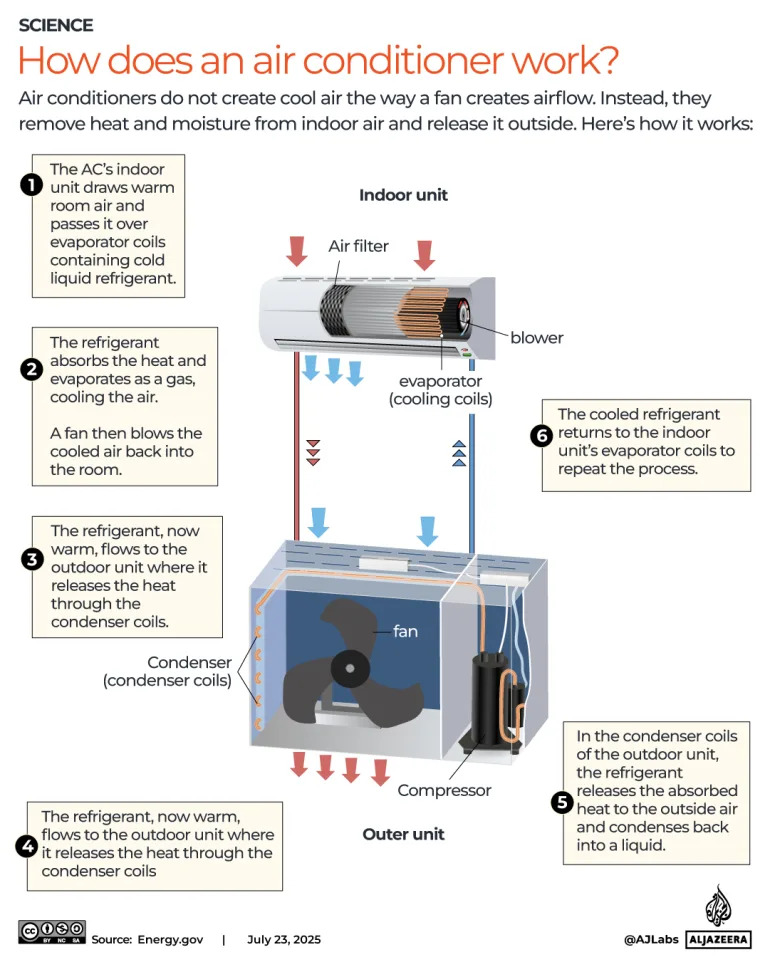
Air conditioners cool indoor spaces by moving heat from inside to outside. They do not usually bring outside air inside.
Understanding how air conditioners work helps explain why fresh air does not enter through them.
Basic Cooling Process
The cooling process starts with a special fluid called refrigerant. This fluid absorbs heat from the indoor air.
- The refrigerant evaporates inside the indoor coil, taking heat from the air.
- The warm refrigerant moves outside to the condenser coil.
- The heat is released outside as the refrigerant cools down and turns back to liquid.
- The refrigerant returns inside to repeat the cycle.
Air Circulation Mechanism
Air conditioners circulate indoor air in a closed loop. They use fans to move air over cold coils.
| Component | Function |
| Indoor Fan | Pulls warm indoor air into the unit |
| Evaporator Coil | Cools the air by removing heat |
| Outdoor Fan | Blows heat outside from the condenser |
| Ducts | Distribute cooled air inside the room |

Credit: blog.nycm.com
Sources Of Air In Air Conditioners
Air conditioners are essential for cooling homes and offices. They manage indoor air by either recirculating it or introducing fresh air from outside.
Understanding where the air comes from helps you know how air conditioners work. Let’s explore the sources of air in these systems.
Recirculated Indoor Air
Most air conditioners recirculate air from inside a room. The system pulls in the air, cools it, and then pushes it back into the room.
This process helps maintain a consistent temperature. It is efficient because it uses air that is already cooler than outside air.
- Air is filtered to remove dust and particles
- Humidity is controlled for comfort
- Energy is saved by reusing indoor air
Introduction Of Outside Air
Some air conditioners bring in outside air. This is important in systems that need fresh air for ventilation.
Fresh air improves air quality by reducing indoor pollutants. It is commonly used in commercial buildings for health and safety reasons.
| Type | Purpose |
| Recirculated Air | Energy efficiency |
| Outside Air | Improved air quality |
Types Of Air Conditioning Systems
Air conditioners cool indoor spaces but work in different ways. Some bring outside air inside. Others only recirculate the air already in your home. Understanding types helps you know how air moves.
This guide covers window and split units, central air systems, and ventilation with HVAC. Each type handles outside air differently.
Window And Split Units
Window and split air conditioners usually do not bring in outside air. They cool the air inside a room by removing heat. The warm air is sent outside, but fresh air stays out.
- Window units sit in a window or wall opening.
- Split units have an outdoor compressor and an indoor cooling unit.
- Both mainly recycle indoor air for cooling.
- Some models may offer a small vent for fresh air.
Central Air Systems
Central air systems cool the whole building. They use ducts to move air. Some systems bring outside air inside to improve air quality.
| System Type | Outside Air Intake | How Air Moves |
| Standard Central AC | No | Recirculates indoor air |
| Central AC with Ventilation | Yes | Mixes outside and indoor air |
| Heat Pump Systems | Depends on setup | Can include outside air |
Ventilation And Hvac Integration
Some HVAC systems combine air conditioning with ventilation. They bring fresh outdoor air inside. These systems remove stale indoor air and add filtered fresh air.
Common ventilation methods include:
- Exhaust fans to push indoor air out
- Fresh air intakes to pull outside air in
- Energy recovery ventilators to save energy while exchanging air

Credit: www.youtube.com
Common Myths About Air Conditioners
Many people have wrong ideas about how air conditioners work. These myths can cause confusion about air quality and cooling.
Understanding the facts helps you use your air conditioner better and keep your home comfortable.
Myth: Air Conditioners Always Bring Outside Air
People often think air conditioners pull air from outside into the room. Most air conditioners only cool the air already inside.
They recirculate indoor air, removing heat and moisture without adding fresh air from outdoors.
- Central air units usually recycle indoor air.
- Window units mostly cool inside air too.
- Some HVAC systems have vents for outside air, but not all.
Myth: Fresh Air Is Always Included
Many believe air conditioners always bring fresh air inside. This is not true for most standard units.
Fresh air must be added separately by ventilation systems to improve indoor air quality.
- Without ventilation, air can feel stale inside.
- Fresh air helps reduce indoor pollutants.
- Some air conditioners can connect to fresh air vents, but it is not common.
Health Impacts Of Air Quality Indoors
Indoor air quality affects our health every day. Air conditioners can change the air inside your home.
Understanding how air moves indoors helps you stay healthy. Poor air can cause problems like allergies and headaches.
Importance Of Ventilation
Ventilation brings fresh air from outside into your home. This helps remove bad air and brings in oxygen.
- Reduces indoor pollution
- Controls humidity levels
- Prevents buildup of carbon dioxide
- Limits spread of airborne germs
Risks Of Poor Air Circulation
When air does not move well, it traps dust, mold, and other pollutants. This can harm your lungs and cause discomfort.
| Risk | Effect on Health |
| Dust buildup | Triggers allergies and asthma |
| High humidity | Causes mold growth and infections |
| Stale air | Leads to headaches and tiredness |
| Airborne germs | Increases chance of illness |
Improving Indoor Air Quality
Air conditioners often cool indoor air but do not always bring in fresh outside air. This can affect the air quality inside your home or office.
Improving indoor air quality means reducing pollutants and adding fresh air. This helps you breathe better and feel more comfortable.
Using Air Purifiers
Air purifiers clean the air by removing dust, pollen, and other particles. They help reduce indoor air pollution without bringing in outside air.
Many air purifiers use filters or ionizers to trap harmful particles. They work best in rooms where air circulation is low.
- Choose a purifier with HEPA filters for small particles
- Place purifiers in rooms where you spend the most time
- Change filters regularly to keep purifiers working well
Ventilation Strategies
Ventilation brings fresh outside air into your home. This helps remove stale air and reduce indoor pollutants.
Opening windows or using vents can improve airflow. Mechanical systems like exhaust fans also help remove indoor air and bring fresh air in.
- Open windows when weather allows for natural airflow
- Use exhaust fans in kitchens and bathrooms
- Consider installing a mechanical ventilation system for better air exchange
Regular Maintenance Tips
Keeping your air conditioner and ventilation systems clean helps improve air quality. Dirt and dust can build up and lower performance.
Regular checks and filter changes help your system work efficiently and keep the air cleaner indoors.
- Change air filters every 1-3 months
- Clean vents and ducts to remove dust
- Schedule professional HVAC inspections yearly
When Outside Air Is Necessary
Air conditioners usually cool indoor air without bringing in air from outside. They recycle the air inside your home or office. But sometimes, bringing in fresh outside air is important.
Fresh air helps keep indoor spaces healthy. It reduces stuffy air and removes smells and pollutants. Knowing when outside air is needed can improve comfort and air quality.
Situations Requiring Fresh Air
Some places need fresh air to stay safe and comfortable. Buildings with many people need outside air to stop carbon dioxide from building up. Fresh air also helps when there are strong smells or chemicals inside.
- Rooms with many people, like classrooms or offices
- Spaces with cooking or smoking
- Areas with strong cleaning chemicals or paint fumes
- Homes with pets that cause odors
- Buildings that feel stuffy or have poor air flow
Balancing Cooling And Ventilation
Bringing in outside air can make cooling harder. Hot or humid air outside needs more work to cool inside. It is important to balance fresh air with keeping the space cool.
Many systems use fans and vents to bring in fresh air without losing too much cool air. Sometimes, air conditioners have special settings to add outside air only when needed.
- Use ventilation fans to add fresh air
- Adjust air conditioner settings for outside air intake
- Keep windows closed when cooling is most needed
- Use air purifiers to improve air without outside air
Frequently Asked Questions
Do Air Conditioners Circulate Outdoor Air Inside?
Most air conditioners recirculate indoor air and do not bring in outside air. They cool and filter the existing room air for energy efficiency.
Can Air Conditioners Improve Indoor Air Quality?
Air conditioners can help filter dust and allergens but don’t bring fresh outdoor air. Proper ventilation is needed for fresh air exchange.
How Does An Air Conditioner Affect Ventilation?
Standard air conditioners limit ventilation by not introducing outdoor air. Mechanical ventilation systems are required to ensure fresh air circulation.
Are There Ac Units That Bring In Outside Air?
Yes, some HVAC systems include fresh air intakes. These units mix outdoor air with cooled indoor air for better ventilation.
Conclusion
Air conditioners mostly recirculate indoor air to cool your space. They do not usually bring fresh outside air inside. Some systems have special vents to add outside air, but this is rare. Knowing this helps you understand how your AC works.
Good ventilation still needs windows or separate vents. Keep this in mind for better air quality and comfort. Stay cool and breathe easy with the right setup.