Have you ever wondered if your air conditioner does more than just cool your room? You might be surprised to learn that your AC could also play a key role in cleaning the air you breathe.
But does it really filter out dust, pollen, and other tiny particles? Understanding how your air conditioner handles air quality can make a big difference in your comfort and health. Keep reading to discover the truth about air conditioners and air filtering—what they can do for you and what they can’t.
This knowledge could change how you use your AC every day.
Credit: www.familyhandyman.com
How Air Conditioners Work
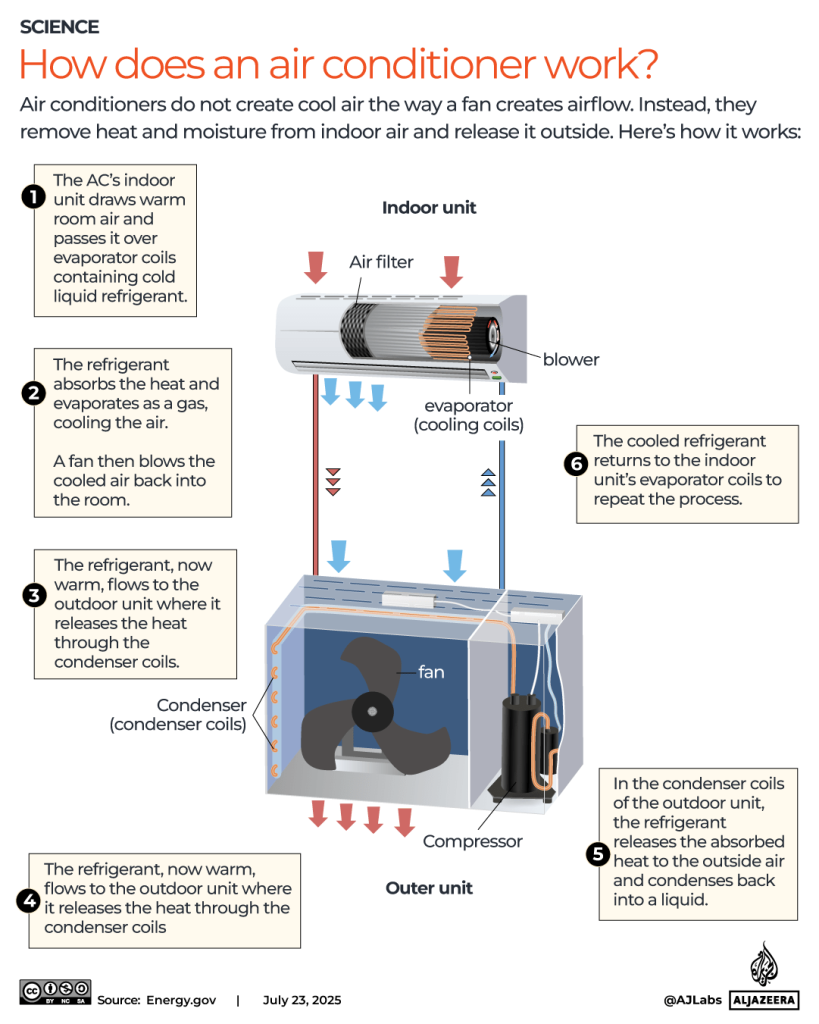
Air conditioners cool rooms by removing heat from the air inside. The cooling mechanismuses a refrigerant that changes from liquid to gas and back. This process absorbs heat from the indoor air and sends it outside.
The air circulation processbegins as warm air from the room passes through a filter and over cold coils. The air cools down and then blows back into the room. This cycle keeps repeating to maintain a comfortable temperature.
Filters in air conditioners trap some dust and particles. They help clean the air but are not designed to remove all pollutants or germs.

Credit: comfortservicesinc.com
Air Filtration In Air Conditioners
Air conditioners use different filtersto clean the air inside a room. These filters catch dust, pollen, and small dirt particles. Most common types include fiberglass filters, which trap large particles, and pleated filtersthat catch smaller dust and allergens. Some units have HEPA filters, which are very good at cleaning tiny particles and allergens.
The efficiencyof a filter shows how well it cleans the air. It is measured by MERV ratings, from 1 to 16. Higher numbers mean better filtration. For example, a MERV 8 filter captures dust and mold spores well, while MERV 13 or above can trap bacteria and smoke.
| Filter Type | Common Use | Efficiency (MERV Rating) |
|---|---|---|
| Fiberglass | Large dust and dirt | 1-4 |
| Pleated | Dust and allergens | 5-8 |
| HEPA | Small particles, allergens | 13-16 |
Limitations Of Ac Air Filters
Air conditioners use filters to catch dust and pollen. But they cannot trap all tiny particles. Small pollutants like smoke and gases pass through easily. This means AC filters offer limited air cleaning.
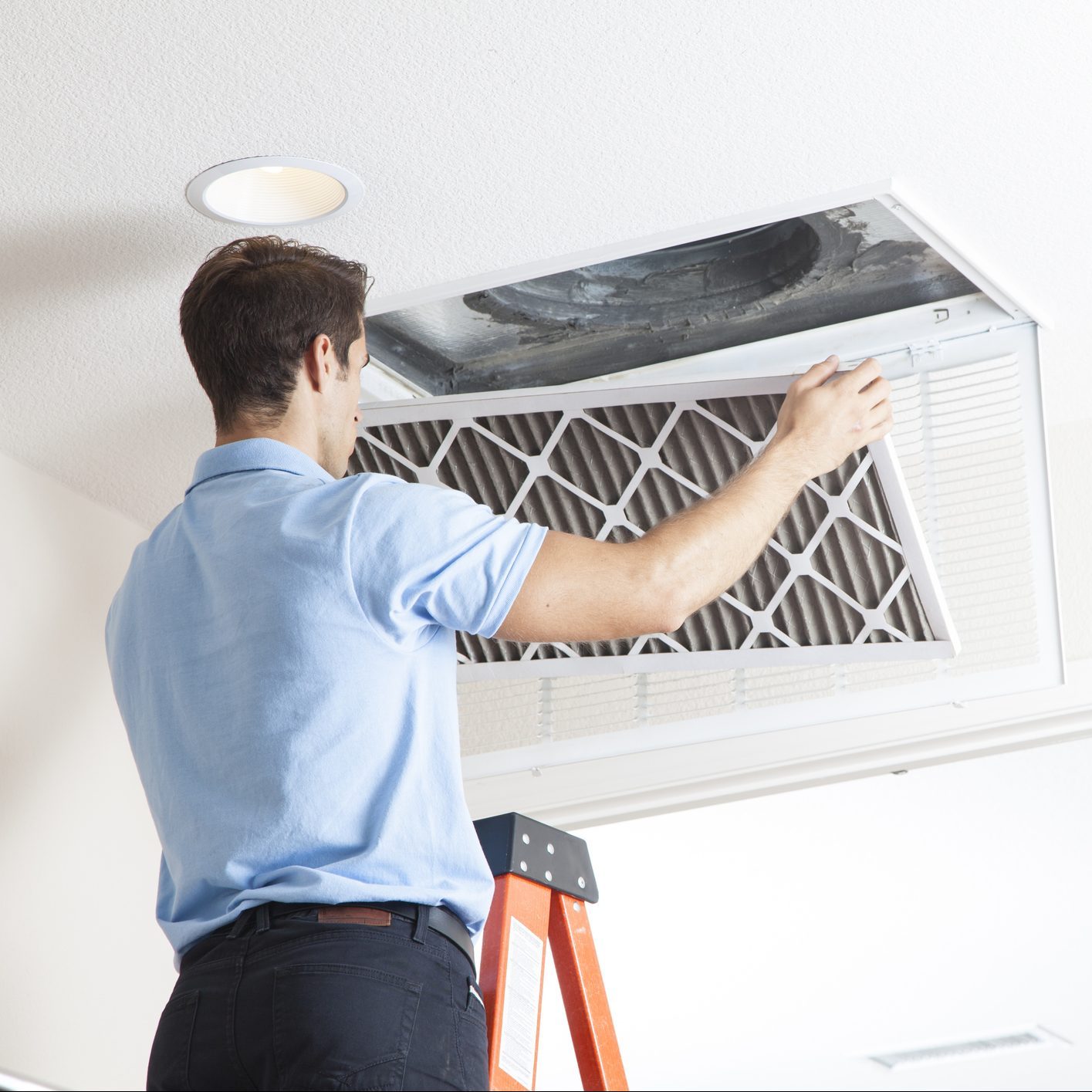
Filters must be cleaned or changed regularly. Dirty filters block airflow and reduce cooling. They can also cause bad smells and spread germs. Proper maintenance keeps the AC working well and the air cleaner.
| Particles Not Captured | Reason |
|---|---|
| Smoke | Too small for standard filters |
| Gases | Filters do not absorb gases |
| Very fine dust | Passes through filter mesh |

Credit: chapmanheating.com
Comparing Ac Filters With Air Purifiers
Air conditionersuse filters mainly to catch dust and large particles. They do not clean tiny germs or odors. Air purifiersare made to remove very small particles, like pollen, smoke, and bacteria. They use special filters like HEPA, which catch much more than AC filters.
Energy use and cost differ between AC filters and air purifiers. AC filters are built into the system, so they use less extra power. Air purifiers need extra electricity to run their fans and filters. The price of air purifiers is often higher than just replacing an AC filter.
| Feature | AC Filters | Air Purifiers |
|---|---|---|
| Particle Size Captured | Large dust and debris | Small particles and allergens |
| Energy Use | Low, part of AC system | Higher, separate device |
| Cost | Lower, filter replacement | Higher, device and filter cost |
| Odor Removal | No | Yes, some models |
Improving Indoor Air Quality
Upgrading AC filterscan greatly improve indoor air quality. Standard filters trap large dust particles but may miss smaller pollutants. Using HEPA or electrostatic filterscaptures tiny allergens, dust, and pet dander. These filters need regular replacement to stay effective. Clean filters also help the AC run efficiently and save energy.
Other air cleaning methods work well with AC filters. Air purifierswith HEPA filters remove very small particles and germs. UV lightsinside the AC can kill bacteria and viruses. Some homes use ventilation systemsto bring in fresh outdoor air and remove stale indoor air. Combining these methods creates a healthier, fresher living space.
Signs Your Ac Filter Needs Replacement
Reduced airflowis a common sign your AC filter needs replacement. Dust and dirt block air movement, making your room less cool. The AC works harder, using more energy and raising bills.
Unpleasant odorscome from a dirty filter. Dust, mold, or bacteria build up and cause bad smells. Fresh, clean air disappears, and the room feels stuffy or musty.
Increased allergieshappen because a clogged filter cannot catch pollen, dust, and pet dander. Allergens spread in the air and cause sneezing, coughing, or itchy eyes. Clean filters help keep the air fresh and healthy.
Frequently Asked Questions
Do Air Conditioners Improve Indoor Air Quality?
Yes, air conditioners help improve indoor air quality by filtering out dust, pollen, and allergens through built-in filters. This reduces airborne particles, creating a cleaner and healthier environment inside your home or office.
What Types Of Filters Do Air Conditioners Use?
Air conditioners commonly use fiberglass, pleated, or HEPA filters. Each filter type captures different particle sizes, with HEPA filters being the most effective at trapping tiny pollutants and allergens.
How Often Should Ac Filters Be Replaced Or Cleaned?
AC filters should be cleaned or replaced every 1 to 3 months. Regular maintenance ensures efficient airflow, better air quality, and prevents strain on the air conditioning system.
Can Air Conditioners Remove Odors And Bacteria?
Some air conditioners with advanced filters or UV light technology can reduce odors and bacteria. However, standard AC units mainly focus on dust and pollen removal, not eliminating all odors or pathogens.
Conclusion
Air conditioners do help filter some air particles. They catch dust, pollen, and dirt with filters inside. But they do not clean all harmful germs or tiny pollutants. Regular filter cleaning keeps your AC working well. For better air quality, consider extra air purifiers.
Good airflow and fresh air also matter a lot. Remember, air conditioners cool and filter, but they are not full air cleaners. Keep your home clean and ventilated for healthy air. Simple steps make a big difference in your indoor air quality.