Have you ever wondered if your air conditioner could be putting your home at risk? The idea that something designed to keep you cool might actually release harmful gases sounds alarming, right?
You might be asking yourself, “Do air conditioners give off carbon monoxide? ” Understanding the truth behind this question is crucial for your safety and peace of mind. Keep reading, because what you learn here could protect you and your loved ones from hidden dangers you never expected.
How Air Conditioners Work
Air conditioners cool air by removing heat and moisture from indoors. They do not produce carbon monoxide because they run on electricity, not fuel. Carbon monoxide is only a risk with gas or fuel-burning heaters, not electric air conditioners.
Cooling Mechanism
Air conditioners use a special liquid called refrigerant. This liquid absorbs heat from inside the room. Then, the refrigerant moves outside and releases the heat. This cycle keeps the room cool and fresh. A fan helps to blow cool air into the room. The process repeats to keep the temperature steady.
Energy Sources
Most air conditioners use electricity to work. Some models may use solar power or batteries. They do not burn fuel, so they do not create carbon monoxide. This makes them safe to use inside homes and offices.
Sources Of Carbon Monoxide
Air conditioners do not produce carbon monoxide since they use electricity, not fuel combustion. Common sources of carbon monoxide include gas heaters, stoves, and car engines. Proper ventilation is key to avoiding dangerous carbon monoxide buildup indoors.
Common Household Emitters
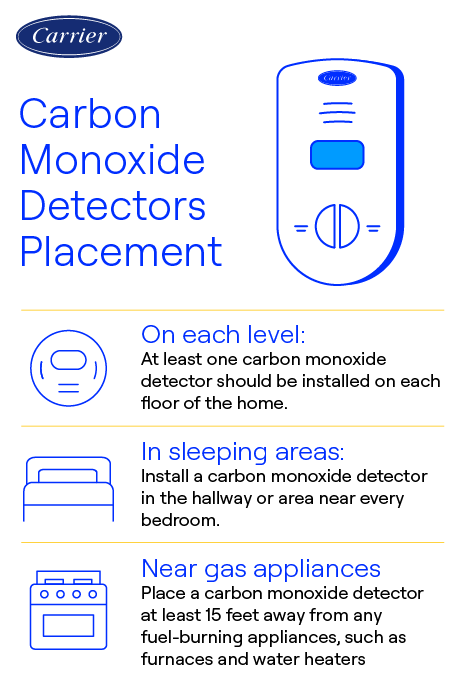
Some household items can emit carbon monoxide. Gas stoves are common sources. Heaters burning wood or gas can also release it. Fireplaces without proper ventilation might cause problems. Car engines running in closed garages are dangerous. Generators used indoors can be harmful. Always ensure good ventilation.
Fuel Combustion Processes
Fuel burning creates carbon monoxide. Cars, trucks, and buses burn fuel and release gases. Gas-powered tools like lawn mowers can also emit gases. Boilers and furnaces in homes burn fuel too. Charcoal grills indoors are risky. Always use them outside. Cigarette smoke contains small amounts of this gas. Keep areas well-aired to reduce risks.
Air Conditioners And Carbon Monoxide
Air conditioners do not produce carbon monoxide. They use electricity to cool air, not fuel. Carbon monoxide is a gas made by burning things like gas, wood, or coal. Since ACs do not burn fuel, they cannot emit this dangerous gas.
Carbon monoxide is harmful because it is colorless and odorless. It can cause illness or death if breathed in large amounts. This gas is a risk mostly with heaters that burn fuel, such as gas heaters or fireplaces.
| Feature | Air Conditioners | Heaters |
|---|---|---|
| Energy Source | Electricity | Gas, wood, or fuel |
| Carbon Monoxide Risk | No risk | Possible risk |
| Function | Cool air | Heat air |
Credit: www.carrier.com
Myths About Acs And Carbon Monoxide
Many people think air conditionersrelease carbon monoxide. This is not true. Carbon monoxide comes from burning fuel, not from ACs. Air conditioners use electricity, so they do not produce this gas.
These myths started because people confuse ACs with heaters or gas appliances. Some old heating systems can release carbon monoxide if not working well. This caused fear around all cooling and heating devices.
Misunderstandings continue because:
- People often mix up different machines.
- Stories spread without checking facts.
- Carbon monoxide is dangerous, so people worry more.
Knowing the truthhelps keep you safe and calm about your air conditioner.
Health Risks Linked To Carbon Monoxide
Carbon monoxide (CO)is a dangerous gas. It can cause serious health problems. CO is colorless and odorless, so people often do not notice it. Breathing in CO can stop your blood from carrying oxygen. This can lead to headaches, dizziness, weakness, and nausea. In high amounts, CO can cause loss of consciousness or death.
People with heart or lung problems are more at risk. Babies and older adults are also more vulnerable. Knowing the symptoms of CO poisoningis important for safety.
- Headache that won’t go away
- Dizziness or feeling weak
- Nausea or vomiting
- Shortness of breath
- Confusion or difficulty concentrating
- Loss of consciousness in severe cases
Preventive measureshelp keep CO levels safe.
- Install CO detectors in your home
- Regularly check and service heating systems
- Never use gas appliances indoors without ventilation
- Avoid running vehicles or generators in closed spaces
- Open windows to allow fresh air circulation
Safe Use Of Air Conditioners
Air conditioners do not produce carbon monoxide. They cool air by removing heat and moisture. Carbon monoxide is a gas made by burning fuels like gas or wood. Air conditioners use electricity, so they are safefrom this risk.
Proper maintenancekeeps air conditioners working well and prevents other issues. Change or clean filters every 1-3 months. Check and clean the coils to improve cooling. Clear the drain channels to avoid water damage and mold growth.
Good ventilationis important. It keeps fresh air flowing in the room. This helps avoid stuffy air and keeps the space comfortable. Make sure windows or vents are open when using air conditioners for long periods.
Carbon Monoxide Detection
Carbon monoxide detectorshelp keep homes safe. These devices sense dangerous gasand alert you. There are different types to choose from:
- Electrochemical detectorsuse sensors to detect gas levels.
- Metal oxide semiconductor detectorschange resistance when gas is present.
- Biomimetic detectorsuse a gel that changes color when carbon monoxide appears.
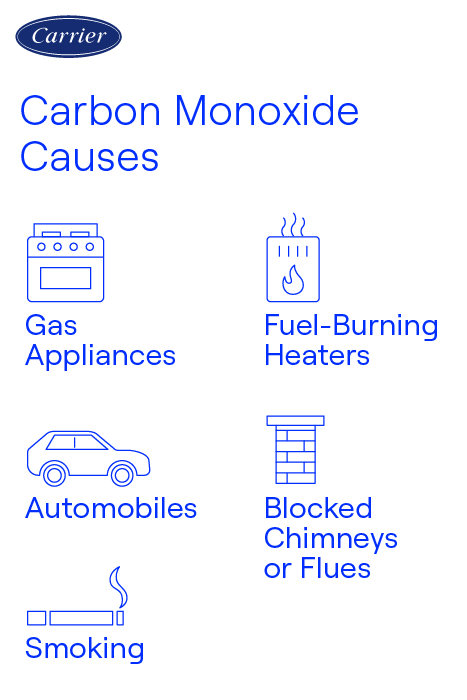
Detectors should be installed on every floor and near bedrooms.
Testing is simple. Press the test button monthly to check if it works. Replace batteries yearly or as needed.
Credit: www.carrier.com
Credit: www.premiersystemsmt.com
Frequently Asked Questions
Do Air Conditioners Produce Carbon Monoxide?
No, air conditioners do not produce carbon monoxide. They use electricity to cool air and do not involve combustion processes, which are the source of carbon monoxide.
Can Faulty Air Conditioners Cause Carbon Monoxide Leaks?
No, faulty air conditioners cannot cause carbon monoxide leaks since they do not burn fuel. Carbon monoxide is produced by gas appliances, not electric cooling devices.
How To Detect Carbon Monoxide If Not From Air Conditioners?
Use a carbon monoxide detector to monitor levels indoors. It alerts you if dangerous gas accumulates from other sources like heaters or stoves.
Are Air Conditioners Safer Than Gas Heaters For Carbon Monoxide Risk?
Yes, air conditioners are safer as they don’t burn fuel or emit carbon monoxide, unlike gas heaters which require proper ventilation to avoid risks.
Conclusion
Air conditioners do not produce carbon monoxide. This gas comes from burning fuels like gas or wood. Using an air conditioner is safe for indoor air quality. Still, regular maintenance keeps your system working well. Clean filters and check vents often.
If you use other appliances, ensure proper ventilation. Staying informed helps protect your home and family. Trust reliable sources for safety tips and advice. Keep your living space fresh and healthy all year.