Are you wondering if your air conditioner must be installed in a window? You’re not alone.
Many people assume that window placement is the only option, but what if there were other ways to keep your space cool? Understanding where and how you can place your air conditioner can save you time, money, and hassle. Keep reading to discover the truth about air conditioner placement and find the best solution for your home or office.
Your comfort might depend on it.

Credit: www.popularmechanics.com
Types Of Air Conditioners
Air conditioners come in different types to fit various needs. Some need to be in a window, while others do not.
Knowing the types helps you pick the right air conditioner for your space and comfort.
Window Units
Window units are designed to fit inside a window opening. They cool one room at a time.
These units vent hot air outside through the window. They are easy to install but block some light.
- Good for small rooms
- Needs a window for installation
- Affordable and easy to maintain
Portable Models
Portable air conditioners do not need to be in a window. They can be moved from room to room.
They use a hose to vent hot air outside through a window or wall opening. Setup is flexible.
- Can be moved easily
- Needs venting hose for hot air
- Good for renters or temporary use
Split Systems
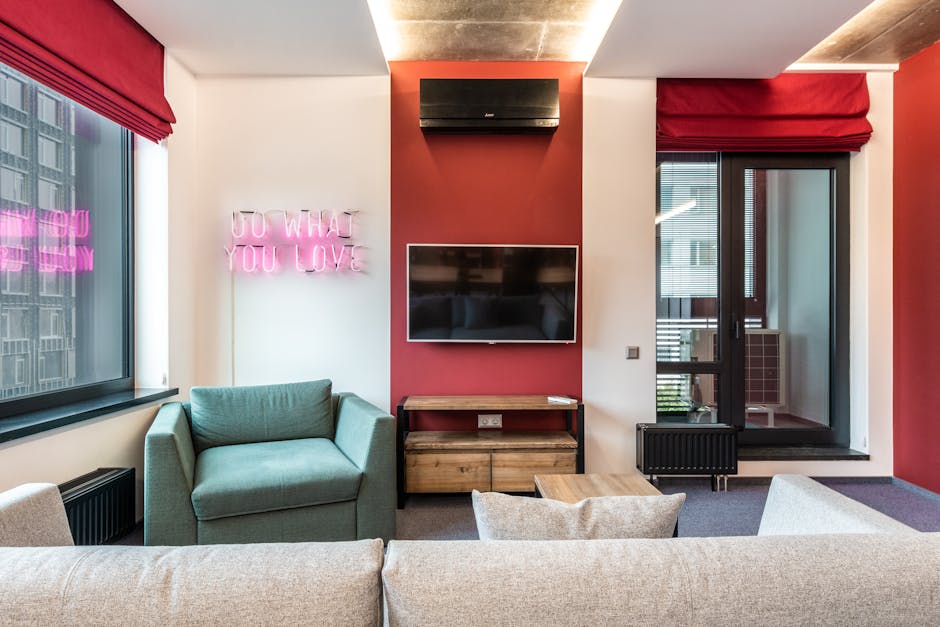
Split systems have two parts: an indoor unit and an outdoor unit. They do not go in a window.
The indoor unit cools the air, and the outdoor unit releases heat. These systems cool whole rooms well.
- Quiet indoor unit
- No window installation needed
- More expensive but efficient
Central Air Conditioning
Central air conditioning cools the entire home through ducts. It does not use windows at all.
This system has a large outdoor unit and vents inside. It keeps the whole house comfortable.
- Best for cooling whole houses
- Needs ductwork in walls and ceilings
- More costly to install and run
Window Air Conditioner Basics
Window air conditioners cool a single room. They are small and fit in a window opening.
These units are common in homes and offices. They are easy to install and use.
How They Work
Window air conditioners remove heat from inside a room. They push warm air outside.
The unit has two main parts. One side faces indoors, the other side faces outdoors.
- The indoor part cools the air and blows it into the room.
- The outdoor part releases the heat to the outside.
- A fan moves air through the system to help with cooling.
Installation Requirements
The air conditioner must fit in a standard window. It needs a secure, level space.
Power is needed close to the window. The unit uses electricity to run the compressor and fans.
- Windows must open and close easily.
- The unit should be sealed to prevent air leaks.
- Support brackets may be needed for heavy units.
Common Misconceptions
People often think window units must only go in windows. Some models can fit through walls.
Another myth is that they cool whole houses. They only cool the room they are in.
- Not all air conditioners need a window for installation.
- Window units are not powerful enough for large spaces.
- Proper installation is key to efficiency and safety.
Alternatives To Window Installation
Air conditioners do not always need to be placed in a window. There are other ways to cool a room without using a window unit. These options can fit different spaces and needs.
This guide will explain some popular alternatives to window air conditioners. You can choose the one that works best for your home or office.
Portable Air Conditioners
Portable air conditioners are easy to move from room to room. They do not require permanent installation. These units use a hose to vent hot air out through a window or a wall opening.
- Can be placed on the floor anywhere in the room
- Needs a vent for hot air exhaust
- Good for small to medium rooms
- Simple to set up and remove
Through-the-wall Units
Through-the-wall air conditioners fit directly into an opening in an exterior wall. They do not block windows and stay in place all year. These units are more permanent than portable ones.
| Feature | Details |
| Installation | Requires a hole in the wall |
| Space Use | Does not take up window space |
| Cooling | Effective for single rooms |
| Noise Level | Usually quieter than window units |
Ductless Mini-split Systems
Ductless mini-split systems offer flexible cooling with no ductwork needed. They have an outdoor compressor and one or more indoor air handlers. Installation requires a small hole for the connecting pipes.
Benefits of ductless mini-split systems:
- Cool multiple rooms with one system
- Energy efficient and quiet
- Indoor units mount high on walls
- Can provide heating as well as cooling
Benefits Of Non-window Units
Air conditioners do not always need to be installed in a window. Non-window units offer several advantages. They provide more options for where to place the cooling system.
These units can be a good fit for spaces without accessible windows or where window installation is not ideal. Understanding their benefits helps you choose the right air conditioner.
Flexibility In Placement
Non-window air conditioners can be placed almost anywhere in a room. You do not need to rely on a nearby window for installation. This allows you to cool different spaces easily.
Some models are portable and can move from room to room. Others can connect through small wall vents or slide-out panels. This flexibility makes them useful in many settings.
- Place units on the floor or a table
- Use in rooms without windows
- Move portable units between rooms
Ease Of Installation
Non-window units usually require less work to install. Many are plug-and-play and do not need special tools or construction. This saves time and effort.
Some units only need a small vent or hose to release hot air outside. This makes them easier to set up than traditional window units that need secure mounting in the window frame.
- No need to remove or alter windows
- Simple venting options
- Quick setup with minimal tools
Energy Efficiency
Many non-window air conditioners use energy efficiently. They can cool a room without wasting power on poor sealing or gaps. This can lower electricity bills.
Some models include smart features like timers and sleep modes. These help save energy by running the unit only when needed. Good insulation around the unit also improves efficiency.
- Better sealing reduces energy loss
- Energy-saving settings available
- Effective cooling lowers power use
Challenges Without Window Placement
Placing an air conditioner away from a window brings certain challenges. These issues affect how well the unit cools and fits in your space.
Understanding these challenges helps you make better choices for your cooling needs.
Ventilation Needs
Air conditioners need a way to push hot air outside. Without a window, this becomes difficult. The lack of proper ventilation can make the unit work harder.
Without a clear outside path, the air conditioner can overheat or lose efficiency.
Space And Noise Considerations
When not placed in a window, air conditioners may take up more space inside. They can also cause noise problems in the room.
- More room needed for installation
- Possible noise increase inside the living space
- Reduced airflow if space is tight
- Harder to hide bulky units in small rooms
Cost Factors
Choosing to install an air conditioner away from a window may raise costs. These come from extra parts and work needed.
| Cost Item | Window Placement | Non-Window Placement |
| Installation | Low | High |
| Parts Needed | Standard | Additional vents or hoses |
| Energy Use | Normal | May increase |
| Maintenance | Easy | More complex |
Credit: www.businessinsider.com
Choosing The Right Air Conditioner
Air conditioners come in many types and sizes. You do not always need a window unit to cool your room.
Picking the right air conditioner depends on your room and personal needs. This guide helps you choose well.
Room Size And Layout
Room size matters a lot when choosing an air conditioner. Bigger rooms need more cooling power.
The shape and layout affect how air circulates. Open rooms cool differently than rooms with many walls.
- Small rooms can use portable or window units
- Large rooms may need split or central AC systems
- Rooms with many walls might need multiple units
Budget And Energy Use
Air conditioners come in a range of prices. Set a budget before shopping.
Energy-efficient models save money on electric bills. Look for units with good energy ratings.
- Window units are usually affordable
- Split systems cost more but use less energy
- Portable units offer flexibility but may use more power
Aesthetic And Practical Preferences
Think about how the air conditioner looks in your space. Some units fit better in certain rooms.
Consider noise levels and ease of installation. Some types are quieter or easier to move.
- Window units mount in windows but may block views
- Split units sit on walls and look modern
- Portable units can be moved but take floor space
- Check noise ratings if you want quiet cooling
Installation Tips For Various Units
Air conditioners come in different types and sizes. Each type needs a special way to install it. This guide helps you install window units, portable ACs, and split systems safely and well.
Correct installation makes your AC work better and last longer. Follow these tips to avoid common problems and keep your home cool.
Securing Window Units
Window air conditioners must fit tightly in the window space. Use strong brackets and seals to keep them safe and prevent air leaks. Always check the window frame for strength before installing.
- Measure the window opening carefully before buying the unit.
- Use mounting brackets to hold the unit firmly in place.
- Seal gaps with weather stripping or foam to stop air leaks.
- Make sure the unit tilts slightly outside to drain water properly.
- Secure the AC with screws to avoid vibrations and noise.
Setting Up Portable Acs
Portable air conditioners need a spot near a window for the exhaust hose. Venting the hot air outside is key for good cooling. Clear space around the unit helps it work well.
| Tip | Details |
|---|---|
| Choose Location | Place near a window and power outlet. |
| Vent Hose Setup | Attach hose securely to window kit to remove hot air. |
| Clear Space | Keep 20 inches free around the unit for airflow. |
| Drain Water | Empty water tank regularly or connect drain hose if available. |
Mounting Split Systems
Split systems have two parts: the indoor unit and the outdoor compressor. Proper mounting helps the system run quietly and efficiently. Use a strong wall and follow safety rules.
Important tips for mounting split systems:
- Mount the indoor unit high on a sturdy wall away from direct sunlight.
- Keep the outdoor unit on a flat surface with good air flow.
- Use vibration pads under the outdoor unit to reduce noise.
- Seal all holes made for pipes and cables to prevent air leaks.
- Hire a professional for electrical connections and refrigerant handling.
Maintenance And Care
Taking care of your air conditioner keeps it working well. Regular maintenance helps it last longer.
Simple cleaning and checks can prevent big problems and save money on repairs.
Cleaning Filters
Clean air filters at least once a month. Dust and dirt block airflow. This makes your unit work harder.
- Turn off the air conditioner before cleaning.
- Remove the filter gently from the unit.
- Wash it with warm water and mild soap.
- Let the filter dry completely before putting it back.
- Do not use strong chemicals or rough brushes.
Seasonal Storage
Store your air conditioner properly during off-season months to keep it safe and ready.
| Task | Details |
| Clean Unit | Wipe down outside and clean filters before storing. |
| Dry Completely | Ensure no moisture remains to prevent mold. |
| Cover | Use a plastic or cloth cover to protect from dust. |
| Store in Dry Place | Keep unit indoors away from extreme temperatures. |
Troubleshooting Common Issues
Some problems are easy to fix yourself. Check these common issues before calling a technician.
- If the unit does not turn on, check the power source and plug.
- For weak cooling, clean or replace filters and check for blocked vents.
- Strange noises may mean loose parts or debris inside the unit.
- If water leaks, check the drainage system and clear any clogs.

Credit: thelenmechanical.com
Frequently Asked Questions
Do Air Conditioners Only Fit In Windows?
No, air conditioners don’t only fit in windows. Portable and split ACs can be installed without windows. Window units require a window for venting hot air outside. Portable units use exhaust hoses that can vent through doors or walls.
Can Portable Acs Cool Rooms Effectively?
Yes, portable ACs can cool rooms effectively. They are versatile and easy to move. However, they may be less efficient than window or split ACs. Proper venting through doors or walls is essential for best performance.
Are Split Air Conditioners Better Than Window Units?
Split ACs are generally quieter and more efficient than window units. They don’t block windows and provide better cooling. Installation is more complex and costly but offers greater flexibility in placement.
Is It Necessary To Vent Air Conditioners Outside?
Yes, venting hot air outside is necessary for all ACs. This removes heat from the room and maintains cooling efficiency. Window units vent through the window, while portable ACs use exhaust hoses.
Conclusion
Choosing the right air conditioner matters. Windows offer traditional placement. But not always necessary. Portable units provide flexibility. They don’t need a window. Wall-mounted units save space. Consider your room layout. Each option has benefits. Assess your cooling needs. Think about energy efficiency.
Installation ease is crucial too. Budget plays a role. Understand your space. Make an informed decision. Stay cool and comfortable. Your choice affects comfort. Choose wisely for the best results.