Have you ever wondered if your air conditioner is making the air in your home feel more humid? You might expect an AC to only cool the air, but what if it’s also affecting the moisture levels around you?
Understanding how your air conditioner impacts humidity can help you stay comfortable and avoid that sticky, muggy feeling indoors. Keep reading to discover the surprising truth about air conditioners and humidity—and learn simple tips to keep your home cool and fresh all year long.
How Air Conditioners Work
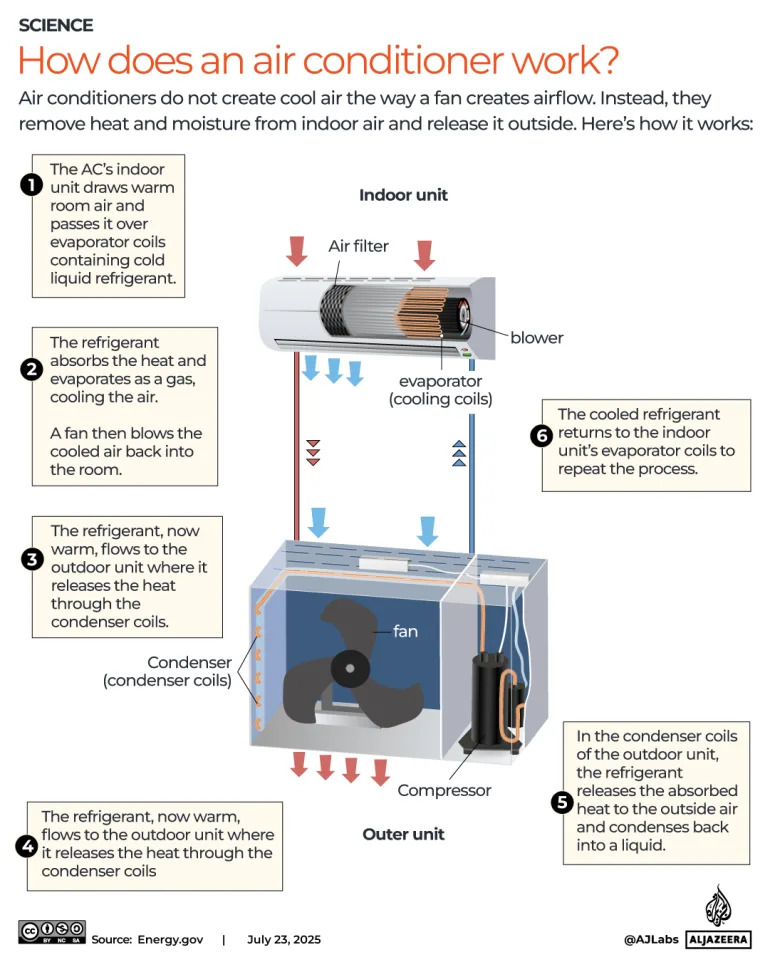
Air conditioners cool the air by removing heat and moisture. Inside the unit, warm air passes over cold coils. These coils absorb the heat, lowering the air temperature.
As air cools, moisture in the air turns into water droplets. This is called condensation. The water then drains out through a pipe. This process helps reduce humidity inside the room.
The air conditioner does not add moisture. Instead, it removes moisture, making the air feel cooler and less sticky.

Credit: www.georgiaairrepair.com
Air Conditioners And Humidity Levels
Air conditionersoften reduce indoor humidity. They cool air by removing moisture. Warm air passes over cold coils, causing water to condense. This water is then drained out. This process makes the air drierand more comfortable.
Sometimes, humidity can increaseinside. This happens if the AC unit is too small or not working well. Poor ventilation or leaks can also bring in humid air. Using the AC with open windows or doors lets moisture in. These factors raise indoor humiditydespite cooling.
| Dehumidifying Effects | Situations When Humidity Rises |
|---|---|
|
|
Common Myths About Ac And Humidity
Many people think air conditioners increase humidity. Actually, they remove moisturefrom the air. This makes rooms feel cooler and more comfortable. Some believe AC units add water to the air, but that’s not true.
Poor maintenance can cause problems. Dirty filters and clogged drains stop ACs from working well. This may lead to higher humidityinside. Regular cleaning helps keep humidity low and the air fresh.
| Common Misconceptions | Reality |
|---|---|
| ACs add moisture to the air | ACs actually remove moisture |
| Humidity rises when AC runs | Humidity usually drops if AC works well |
| Maintenance is not important | Cleaning keeps humidity low and AC efficient |

Credit: www.aljazeera.com
Factors Influencing Indoor Humidity
Ventilationplays a key role in managing indoor humidity. Poor airflow traps moisture inside, raising humidity levels. Proper ventilation helps remove damp air and brings in fresh, drier air.
Good airflow also helps air conditioners work better. Without enough ventilation, air conditioners may struggle to remove moisture efficiently. This can cause indoor air to feel more humid.
| External Weather Conditions | Effect on Indoor Humidity |
|---|---|
| Hot and Humid | More moisture enters indoors, raising humidity |
| Cool and Dry | Less moisture, lower indoor humidity |
| Rainy or Wet | Humidity increases inside due to moisture from outside |
Outdoor weather strongly affects indoor humidity. Moist air from outside can enter your home and increase indoor moisture. Air conditioners help reduce humidity but cannot fully control it if outdoor air is very humid.
Tips To Control Humidity With Ac
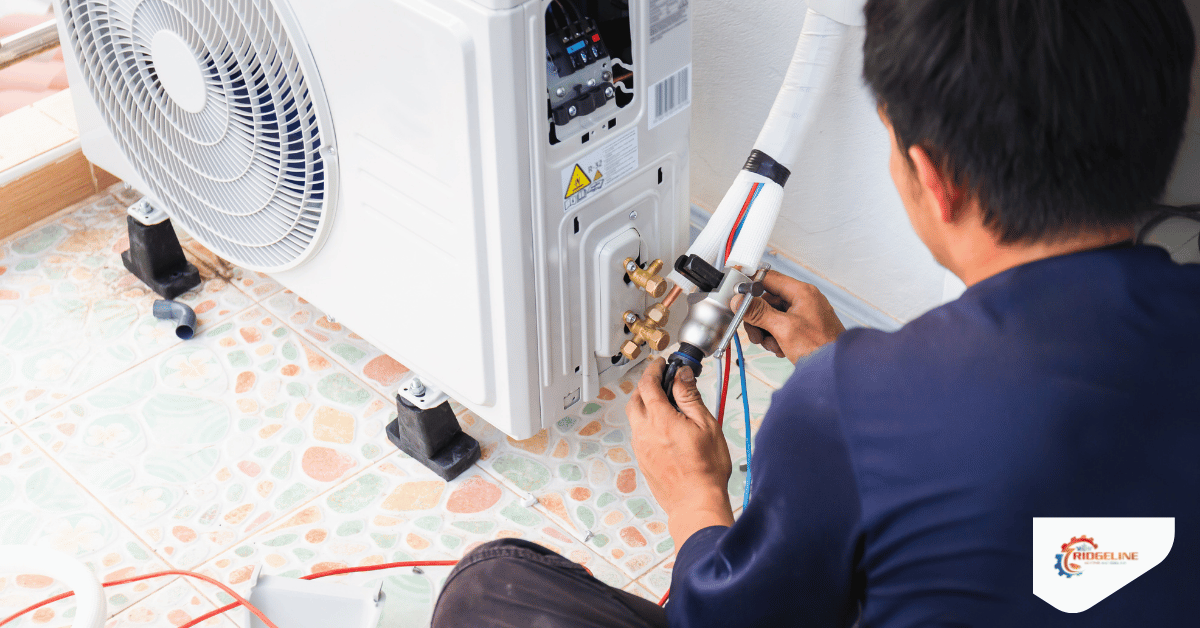
Proper maintenancekeeps your AC running well and reduces humidity. Clean or replace filters often to help air flow freely. Check for leaks in ducts to stop moist air from entering your home. Make sure the AC’s drain line is clear to remove water effectively. Regular tune-ups help your unit remove more moisture from the air.
Using dehumidifiers alongside AChelps control extra moisture. Dehumidifiers pull water from the air, making rooms less sticky. Place them in damp areas like basements or bathrooms. This works well with your AC to keep air dry and comfortable. Together, they make your home fresher and cooler.
Choosing The Right Air Conditioner
Some air conditioners can reduce humidityby removing moisture from the air. These units have a built-in dehumidifierfunction. Others may cool the room but do not manage humiditywell, making the air feel damp.
Choosing an air conditioner that controls humidityhelps keep your home comfortableand healthy. Models like ductless mini-splitsand central AC with humidity controlwork best. They balance coolingand moisture removal.
| Type | Humidity Control | Energy Efficiency | Comfort Level |
|---|---|---|---|
| Ductless Mini-Split | Excellent | High | Very Comfortable |
| Central AC with Dehumidifier | Good | Moderate | Comfortable |
| Window Unit | Low | Low | Less Comfortable |
Energy-efficient air conditioners cost less to run. They keep rooms cool without using much power. This means lower bills and less waste. Comfort improves when the air is cool and dry.
Credit: idahofallsheatingandcooling.com
Frequently Asked Questions
Do Air Conditioners Increase Indoor Humidity Levels?
No, air conditioners typically reduce indoor humidity. They cool air by removing moisture through condensation. This lowers humidity, making rooms more comfortable and less sticky.
Can Air Conditioners Cause Excess Moisture Problems?
Improperly maintained air conditioners may cause moisture issues. Dirty filters or clogged drainage can trap water, increasing indoor humidity. Regular cleaning prevents this problem effectively.
How Do Air Conditioners Control Humidity In Homes?
Air conditioners control humidity by cooling air and condensing water vapor. This moisture collects and drains away, reducing indoor dampness. Proper AC usage maintains balanced humidity levels for comfort.
Is High Humidity A Sign Of Air Conditioner Malfunction?
Yes, high indoor humidity can indicate AC problems. It may signal poor airflow or drainage blockages. Timely service checks help ensure your air conditioner removes moisture efficiently.
Conclusion
Air conditioners usually lower indoor humidity by removing moisture. They cool the air and make it less damp. Sometimes, poor maintenance can cause some humidity issues. Regular cleaning helps keep your AC working well. Using a dehumidifier can improve air quality if needed.
Understanding how AC affects humidity helps you stay comfortable. Choose the right system to fit your home’s needs. Keep your space cool and dry all year. Simple steps make a big difference in your comfort.