
Have you ever wondered if your air conditioner needs water to work? It’s a question many people ask but don’t always get a clear answer to.
Understanding how your AC operates can help you take better care of it and even save money on your energy bills. You’ll discover the truth about water and air conditioners—whether it’s a must-have or just a common myth. Keep reading to find out how your cooling system really works and what you need to know to keep your home comfortable all year round.

Credit: www.youtube.com
How Air Conditioners Work
Air conditioners cool the air by moving heat outside. The basic cooling processuses a special liquid called a refrigerant. This liquid changes from liquid to gas and back again. As it changes, it absorbs heatfrom the indoor air and releases it outside.
The refrigerant flows through tubes inside the air conditioner. It evaporatesin the indoor coil, taking heat from the air. Then it moves to the outdoor coil, where it condensesand releases heat to the outside air.
The role of refrigerantsis very important. They help transfer heat easily. Refrigerants work at low temperatures and pressure changes. This makes the air feel cool and comfortable inside.
Credit: honorservices.com
Water And Air Conditioners
Traditional air conditioners do not use water to cool the air. They work by removing heat from inside and sending it outside. This happens through a refrigerant inside the AC unit. The refrigerant changes from liquid to gas and back, absorbing heat. Water is only used to clean or maintain some parts, not for cooling.
Evaporative coolers, also called swamp coolers, use water to cool air. They work best in dry climates. Water evaporates and cools the air before it enters your home. This is different from how regular air conditioners work.
| Feature | Traditional Air Conditioner | Evaporative Cooler |
|---|---|---|
| Uses Water | No | Yes |
| Best Climate | All climates | Dry climates |
| Cooling Method | Refrigerant cycle | Water evaporation |
| Energy Use | Higher | Lower |
Common Myths About Water Use
Many people believe air conditioners need water to work. This is not true for most modern AC units. They use a refrigerant to cool the air, not water. Some older or special types, like evaporative coolers, do need water to add moisture and cool the air.
Water use in regular air conditioners is very low or zero. The unit removes moisture from the air as it cools, which can drip out as water. This is normal and does not mean the AC uses water to run.
Energy efficiency is not improved by adding water to a regular AC. Using water where it is not needed can waste resources and cause damage. Proper maintenance and cleaning keep the AC running well and saving energy.
Signs Your Ac Might Need Water
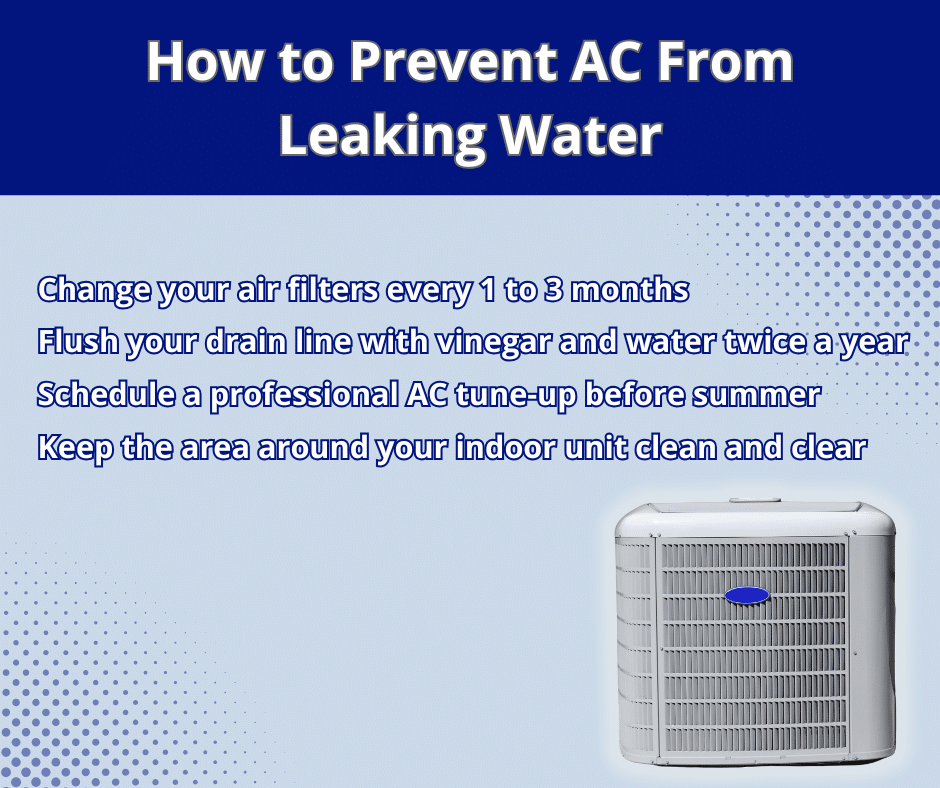
Water leaksaround the AC unit may show a problem. This can happen if the condensation drain is clogged. Pooled water near the unit is a clear sign.
Excessive condensationinside or outside the unit can mean water is not draining well. This can cause damage to the AC and walls.
- Check the drain panfor cracks or holes.
- Look for water stainson walls or ceilings near the AC.
- Listen for water dripping sounds inside the unit.
Maintenance includes cleaning the drainage systemregularly. Clearing blocked pipes helps water flow freely. This prevents leaks and keeps the AC running well.
Water is not needed for the AC to run, but water removal is key. Proper water drainageavoids problems and keeps the system healthy.
Tips For Efficient Ac Operation
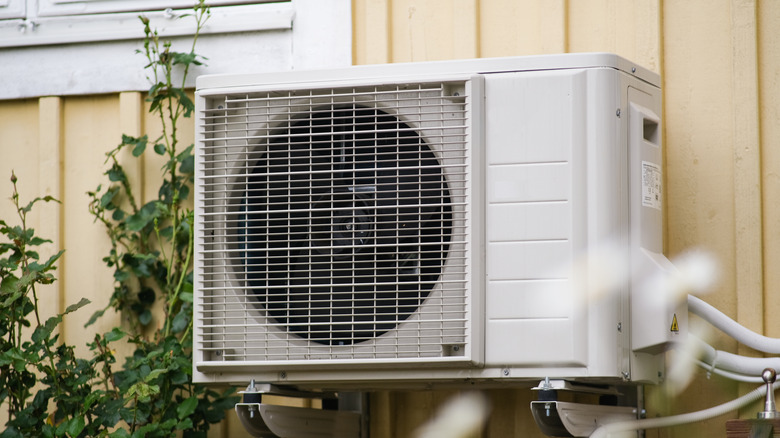
Proper installationis key to efficient AC operation. The unit must be placed in a shaded spot. This helps to keep it cool and saves energy. Make sure the outdoor unit has good airflow. Avoid placing it near walls or plants that block air.
Regular maintenancekeeps the AC running well. Clean or replace filters every month or two. Dirty filters reduce airflow and make the AC work harder. Check the coils and fins for dirt and damage. Clear debris around the unit to ensure good airflow. Schedule a professional check-up once a year to keep parts in good shape.
Credit: www.housedigest.com
Frequently Asked Questions
Do Air Conditioners Require Water To Function?
No, most air conditioners do not need water to operate. They use refrigerants to cool the air. However, some specific types like evaporative coolers, also known as swamp coolers, do require water. These systems use water to lower the air temperature by evaporation.
How Do Air Conditioners Cool Without Water?
Air conditioners cool by using a refrigerant cycle. The system compresses and expands refrigerant gas, which absorbs heat from the indoor air. The heat is then released outside, cooling your space efficiently without needing water.
Is Water Used In Portable Air Conditioners?
Some portable air conditioners use water to enhance cooling. These models often have a water reservoir. This water helps improve efficiency by assisting in heat exchange, but they still primarily rely on refrigerants for cooling.
What Is An Evaporative Cooler?
An evaporative cooler, or swamp cooler, uses water to cool air. It draws in warm air and passes it through water-saturated pads. The air loses heat through evaporation, resulting in cooler air. These coolers are more effective in dry climates.
Conclusion
Air conditioners usually do not need water to run. They cool air by moving heat outside, using a special gas called refrigerant. Some types, like evaporative coolers, do use water to help cool the air. Knowing how your AC works helps with care and saving energy.
Keep your unit clean and check it often to keep it working well. Simple steps make a big difference in comfort and costs.