
Have you ever wondered if your air conditioner could be secretly harmful? You rely on it to keep your home cool and comfortable, but what if it was producing something dangerous without you knowing?
Carbon monoxide is a silent threat that many people worry about, and it’s natural to ask: do air conditioners produce this deadly gas? Understanding the truth behind this question can protect you and your loved ones. Keep reading to discover what you need to know to stay safe and breathe easy this summer.
How Air Conditioners Work
Air conditioners cool indoor spaces by removing heat and moisture. They use a special process to make the air cooler and more comfortable.
This process depends on a cycle that moves heat from inside a building to the outside. The system uses a refrigerant to carry heat through pipes.
Cooling Cycle Basics
The cooling cycle starts when warm air from inside is drawn into the air conditioner. The air passes over cold coils filled with refrigerant.
The refrigerant absorbs heat from the air. This heat moves to the outside unit, where it is released. The cooled air is then blown back inside.
- Warm indoor air enters the system
- Refrigerant absorbs heat from the air
- Heat is moved outside and released
- Cooled air is circulated inside
Types Of Air Conditioners
There are several types of air conditioners. Each type works in a similar way but fits different spaces and needs.
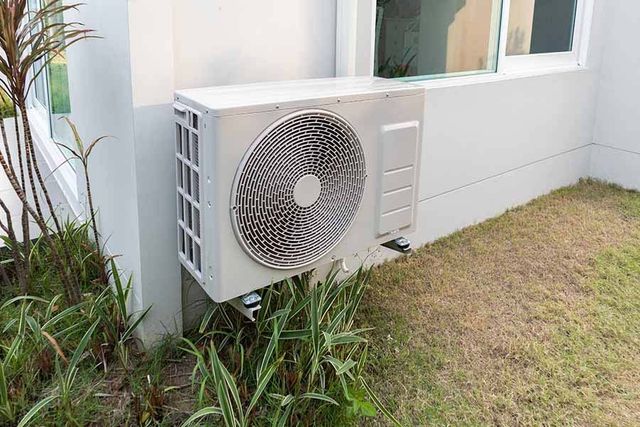
Common types include central systems, window units, and portable air conditioners. Each type moves heat outside but differs in size and installation.
- Central Air Conditioners:Cool whole buildings with ductwork
- Window Units:Fit into a window, cool one room
- Portable Units:Can be moved and cool small areas
Credit: www.premiersystemsmt.com
Sources Of Carbon Monoxide
Carbon monoxide is a dangerous gas. It is colorless and has no smell. Many people wonder if air conditioners produce carbon monoxide.
Air conditioners do not make carbon monoxide. This gas comes from burning fuels. It is important to know where carbon monoxide comes from in homes.
Common Household Sources
Many household items can produce carbon monoxide. This happens when they burn fuel like gas or wood. Poor ventilation can cause carbon monoxide to build up inside.
- Gas stoves and ovens
- Fireplaces and wood stoves
- Portable generators
- Charcoal grills used indoors
- Gas or kerosene heaters
Combustion Appliances
Combustion appliances burn fuels like natural gas, propane, or oil. These appliances can release carbon monoxide if not working well or not vented properly.
Regular maintenance helps keep these appliances safe. Proper ventilation moves carbon monoxide outside the home.
- Gas water heaters
- Furnaces and boilers
- Clothes dryers using gas
- Gas fireplaces
- Space heaters that burn fuel
Do Air Conditioners Emit Carbon Monoxide?
Many people wonder if air conditioners produce carbon monoxide. Carbon monoxide is a harmful gas that can cause serious health issues.
It is important to know if your cooling system emits this dangerous gas. This helps keep your home safe and healthy.
Electric Ac Units
Electric air conditioners do not burn fuel to cool your home. They use electricity to power a compressor and fan.
Since they do not use combustion, electric AC units do not produce carbon monoxide. They are safe in terms of gas emissions.
Gas-powered Ac Systems
Gas-powered air conditioners use fuel like natural gas or propane. These systems burn fuel to create cooling power.
Because they burn fuel, gas-powered AC units can produce carbon monoxide if not maintained. Proper ventilation and regular checks are very important.
- Carbon monoxide is a colorless, odorless gas
- Poorly maintained gas ACs can leak this gas
- Always have gas systems inspected yearly
- Install carbon monoxide detectors near gas appliances

Credit: dial1plumbing.com
Risks Of Carbon Monoxide Exposure
Carbon monoxide (CO) is a dangerous gas that can harm your health. It is colorless and odorless, making it hard to detect without a device.
Exposure to carbon monoxide can happen if appliances do not work properly or if there is poor ventilation. Knowing the risks helps keep you safe.
Health Effects
Breathing in carbon monoxide stops your blood from carrying oxygen. This can damage your organs and cause serious health problems.
- Headaches and dizziness
- Weakness and nausea
- Confusion and blurred vision
- Shortness of breath
- Loss of consciousness in severe cases
Signs Of Poisoning
| Symptom | Description |
| Headache | A dull or throbbing pain in the head |
| Dizziness | Feeling lightheaded or unsteady |
| Nausea | Feeling sick to the stomach |
| Fatigue | Extreme tiredness or weakness |
| Confusion | Difficulty thinking clearly or focusing |
Preventing Carbon Monoxide Hazards
Air conditioners do not produce carbon monoxide. This gas comes from burning fuel, not cooling systems. Still, safety is important around home appliances.
Preventing carbon monoxide hazards means keeping your home safe. You can do this by proper installation, regular maintenance, and using detectors.
Proper Installation
Install heating and cooling equipment correctly. Poor installation can cause gas leaks and carbon monoxide buildup. Always hire a licensed professional for installation.
Make sure vents and exhaust pipes are clear and properly connected. This helps harmful gases leave your home safely.
Regular Maintenance
Check your heating and cooling systems often. Regular maintenance helps find problems before they become dangerous. Clean or replace filters as needed.
Have a professional inspect your furnace and water heater yearly. This keeps your home safe from carbon monoxide leaks.
- Check vents for blockages
- Test pilot lights and burners
- Clean or replace filters
- Schedule yearly professional inspections
Using Detectors
Install carbon monoxide detectors in your home. These devices alert you if dangerous gas builds up. Place detectors near bedrooms and fuel-burning appliances.
Test detectors monthly and replace batteries twice a year. A working detector can save lives by giving early warning of carbon monoxide.
- Install detectors on every floor
- Place near sleeping areas
- Test alarms monthly
- Replace batteries twice a year
Myths About Air Conditioners And Carbon Monoxide
Many people worry that air conditioners produce carbon monoxide (CO). This fear comes from confusion about how air conditioners work. It is important to clear up these myths to stay safe.
This article looks at common misconceptions and facts about air conditioners and carbon monoxide. Understanding the truth helps you use your air conditioner safely.
Common Misconceptions
Some people think air conditioners create carbon monoxide because they use electricity or cool the air. Others confuse air conditioners with heaters or gas appliances that can produce CO.
- Air conditioners burn fuel like gas or oil.
- Air conditioners produce harmful gases during operation.
- Carbon monoxide can leak from an air conditioner.
- Cooling the air causes carbon monoxide buildup.
Fact-checking
Air conditioners do not burn fuel. They use electricity to run compressors and fans. Because no fuel burns, no carbon monoxide is made.
| Myth | Fact |
| Air conditioners produce carbon monoxide | False – They run on electricity, no combustion |
| Carbon monoxide can leak from an air conditioner | False – No fuel is burned, so no CO |
| Air conditioners cause indoor air pollution | Mostly False – Properly maintained units filter air |
| Gas heaters and ACs are the same | False – Heaters burn fuel; ACs do not |

Credit: www.dreamden.ai
Frequently Asked Questions
Do Air Conditioners Emit Carbon Monoxide?
No, standard air conditioners do not emit carbon monoxide. They use electricity to cool air without combustion, so no CO is produced.
Can Faulty Ac Units Cause Carbon Monoxide Leaks?
No, AC units don’t burn fuel, so they cannot leak carbon monoxide. Gas appliances like heaters are the risk sources.
How To Detect Carbon Monoxide Near Ac Systems?
Install CO detectors near fuel-burning appliances, not AC units. Regular maintenance and proper ventilation prevent CO buildup in homes.
Are Portable Air Conditioners Safe From Co Poisoning?
Yes, portable air conditioners are electric and don’t produce carbon monoxide. Ensure proper ventilation to avoid other indoor air issues.
Conclusion
Air conditioners do not produce carbon monoxide. They cool air without burning fuel. Carbon monoxide comes from gas, oil, or wood burning. Always keep fuel-burning appliances well maintained and ventilated. Use carbon monoxide detectors for safety at home. Understanding these facts helps keep your home safe and cool.
Stay informed and protect your family from hidden dangers. Clear air and peace of mind go hand in hand.