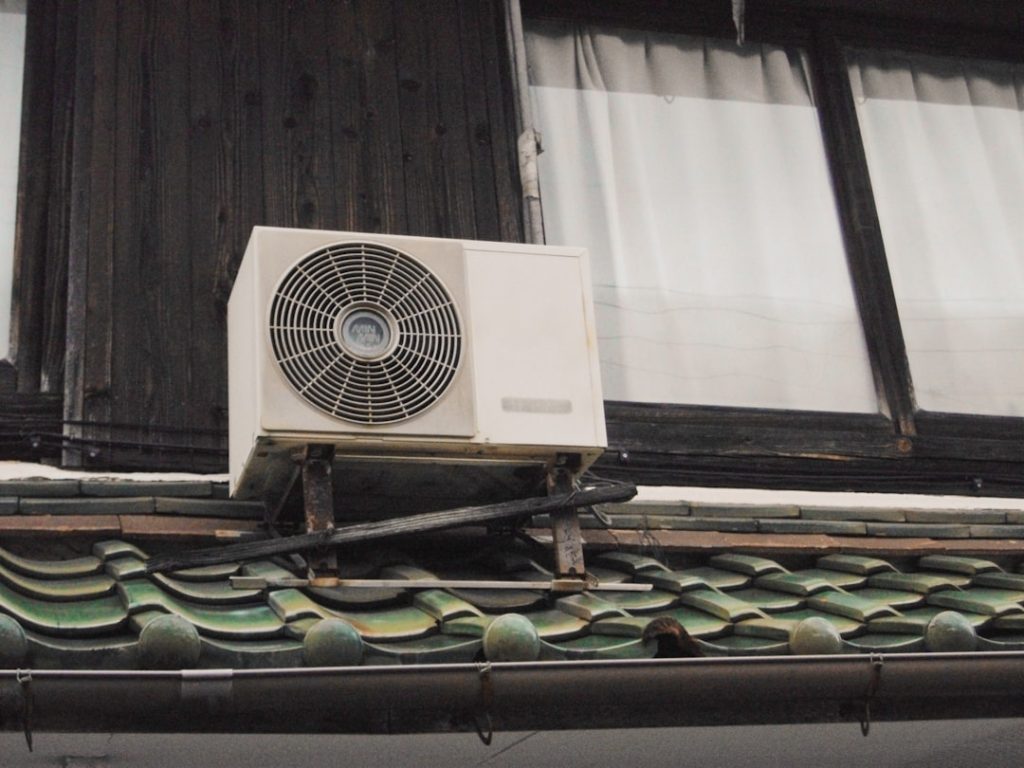
Are you worried about what’s coming out of your air conditioner? You might have heard that air conditioners can produce carbon monoxide, a dangerous gas you can’t see or smell.
But is that true? Understanding this could keep you and your loved ones safe. Keep reading to find out the facts and learn how to protect your home from hidden dangers you might not even know exist.
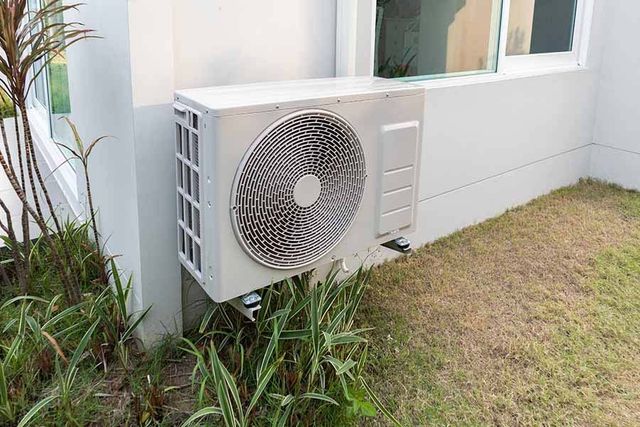
Credit: www.premiersystemsmt.com
How Air Conditioners Work
Air conditioners cool the air by removing heat and moisture. Inside, a refrigerant absorbs heat from indoor air. This warm air passes over cold coils, which cool it down. The cooled air then circulates back into the room. Meanwhile, the heat taken from the air is released outside.
There are different types of air conditioners for various needs. Each type works on the same basic principle but differs in design and use.
| Type | Description | Common Use |
|---|---|---|
| Window AC | Single unit installed in a window or wall | Cooling one room |
| Split AC | Two units: indoor and outdoor parts connected by pipes | Cooling multiple rooms or larger spaces |
| Portable AC | Movable unit with a hose to vent hot air outside | Temporary or spot cooling |
| Central AC | System that cools entire buildings through ducts | Whole house or building cooling |
Sources Of Carbon Monoxide
Carbon monoxide (CO)is a colorless, odorless gas that can be very dangerous. It is produced when fuels like gas, wood, or coal do not burn fully. Many common household items can release CO if not used or maintained properly.
- Gas heaters and stoves
- Fireplaces and wood-burning stoves
- Car engines in closed garages
- Gas water heaters
- Portable generators
CO forms during incomplete combustion. This happens when there is not enough oxygen for the fuel to burn completely. The fuel then releases carbon monoxide instead of carbon dioxide. Proper ventilation and regular maintenance help reduce CO risks.
Do Air Conditioners Emit Carbon Monoxide?
Air conditioners work by moving heat from inside to outside. They use a sealed system with refrigerants. This system does not burn fuel, so it does not create carbon monoxide (CO). Carbon monoxide forms when fuels like gas, wood, or coal burn without enough oxygen.
Some heating systems, like gas heaters or furnaces, can produce CO if not maintained well. Air conditioners do not have this risk because they do not burn fuel.
CO can appear if an air conditioner is combined with a gas heater or other fuel-burning appliance in the same space. Poor ventilation or faulty appliances cause this risk, not the AC itself.
- Air conditioners do not emit carbon monoxide.
- They use electricity, not fuel combustion.
- Carbon monoxide comes from burning fuels.
- Gas heaters and furnaces can produce CO if broken.
- Good ventilation lowers CO risks.
Risks Linked To Improper Ac Use
Blocked ventscan cause poor air circulation. This leads to stale airand higher dust levels. It may worsen allergies and breathing problems. Clean vents help maintain fresh airinside the home.
Electrical problems in an air conditioner can be dangerous. Faulty wiring or damaged parts can cause fires or shocks. Regular checks by a professional reduce these risks. Always ensure the AC is properly installedand maintained.
Detecting Carbon Monoxide Indoors
Air conditioners do not produce carbon monoxide because they use electricity, not fuel. Carbon monoxide comes from burning fuels like gas or wood. Detecting this gas indoors requires special alarms, not regular air conditioning units.
Co Detectors And Alarms
Carbon monoxide (CO) detectorsare small devices that sense harmful gas levels. They sound alarms to warn people early. These alarms save lives by alerting before symptoms start. Place detectors near bedrooms and living areas. Check batteries often to keep them working well. Some models show CO levels on a screen. This helps track air quality in your home.
Signs Of Co Exposure
- Headachesand dizziness
- Feeling nauseousor vomiting
- Weakness or confusion
- Shortness of breath
- Chest pain or blurred vision
These symptoms mean you should leave the areaand get fresh air. Call for help if anyone feels very sick. CO is colorless and odorless. The only safe way to detect it is with alarms.
Credit: www.diychatroom.com
Preventing Carbon Monoxide Issues
Regular maintenanceis key to keeping your air conditioner safe. Clean or replace filters often to avoid dust buildup. Check vents and ducts for blockages or leaks. A clogged system can cause poor air flow and harm efficiency. Schedule a yearly inspection by a professional to catch issues early. They check parts and clean the unit deeply.
Safe usage means never using gas or charcoal appliances near your air conditioner. These can produce carbon monoxide, a dangerous gas. Always ensure your home has proper ventilation. Install carbon monoxide detectors near bedrooms and living spaces. They alert you if levels get unsafe. Remember to test detectors monthly and change batteries yearly.
When To Call A Professional
Warning signsof carbon monoxide issues with air conditioners include strange smells, sudden headaches, and dizziness. Listen for unusual noises or the unit not working properly. If you notice any yellow or flickering flamesin gas-powered units, it is a strong sign of a problem.
Regular expert inspectionhelps keep your home safe. Professionals check for leaks, faulty parts, and blocked vents. They have the right tools to detect carbon monoxide safely. Scheduling an inspection yearly is a good idea.

Credit: dial1plumbing.com
Frequently Asked Questions
Can Air Conditioners Emit Carbon Monoxide?
No, air conditioners do not produce carbon monoxide. They operate using electricity, not fuel combustion. Carbon monoxide is typically produced by appliances that burn fuel, like gas stoves or heaters. Ensure proper ventilation and regular maintenance for all fuel-burning devices to prevent carbon monoxide buildup in your home.
How Does Carbon Monoxide Get Into Homes?
Carbon monoxide can enter homes through malfunctioning fuel-burning appliances. Poor ventilation or blocked chimneys can also cause CO accumulation. It’s crucial to regularly maintain appliances and ensure proper ventilation. Installing carbon monoxide detectors provides an additional layer of protection by alerting occupants to dangerous CO levels.
Are Window Ac Units Safe From Carbon Monoxide?
Yes, window AC units are safe from carbon monoxide. They use electricity and do not burn fuel. Carbon monoxide is not a concern with electric appliances. Ensure regular maintenance for optimal performance and safety. Always be cautious with fuel-burning appliances in your home to prevent CO risks.
What Appliances Produce Carbon Monoxide?
Appliances that burn fuel, like gas stoves, furnaces, and heaters, produce carbon monoxide. Fireplaces and charcoal grills can also emit CO. Ensure these appliances are well-maintained and vented properly. Installing carbon monoxide detectors is essential to safeguard against CO poisoning in homes with these appliances.
Conclusion
Air conditioners do not produce carbon monoxide. They cool the air using electricity, not combustion. Carbon monoxide comes from burning fuel like gas or wood. Still, keep your home safe by checking all fuel-burning appliances. Proper ventilation helps prevent gas buildup.
Regular maintenance keeps your air conditioner working well. Stay informed and protect your family’s health. Clear, cool air without harmful gases. That’s what a good air conditioner offers.