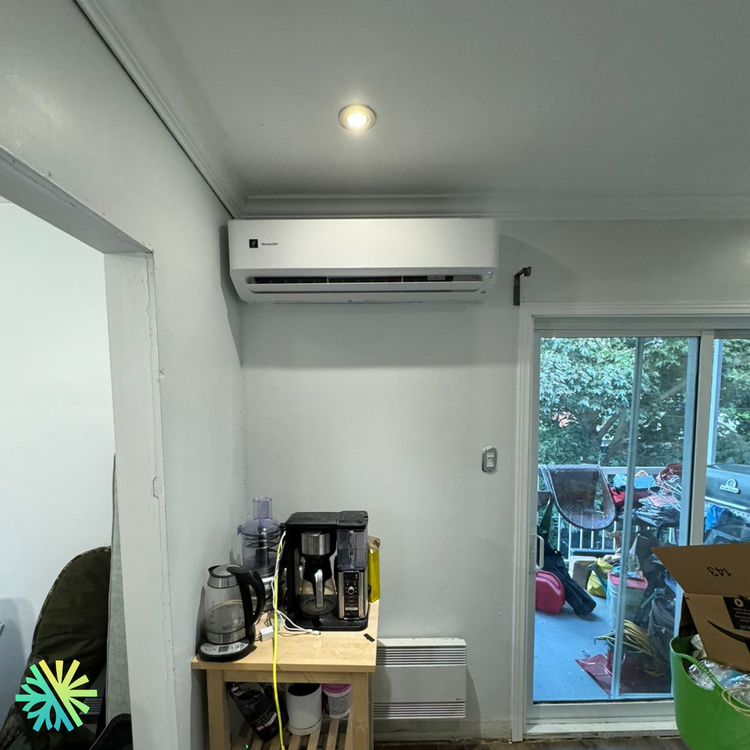
Have you ever wondered if your air conditioner does more than just cool your room? You might be surprised to learn that many people expect their AC to clean the air they breathe.
But does it really purify the air around you? Understanding this can help you breathe easier and make better choices for your home. Keep reading to find out what your air conditioner can and can’t do for your air quality—and what you can do to improve it.

Credit: www.youtube.com
How Air Conditioners Work
Air conditioners cool indoor spaces by removing heat from the air. They use a system of parts that work together to lower the temperature.
Besides cooling, air conditioners also help move air around the room. This process can affect air quality but does not fully purify the air.
Cooling Mechanism
The cooling process starts with a refrigerant that absorbs heat from inside the room. This refrigerant changes from liquid to gas as it collects heat.
The warm gas moves outside to a compressor. The compressor squeezes the gas, raising its temperature and pressure. Then the gas releases heat outside and turns back into liquid.
- Refrigerant absorbs heat indoors
- Compressor increases gas pressure
- Heat releases outdoors
- Refrigerant returns to liquid form
Air Circulation Process
Air conditioners use fans to move air inside the room. The warm air passes over cold coils, which cools the air before it circulates back.
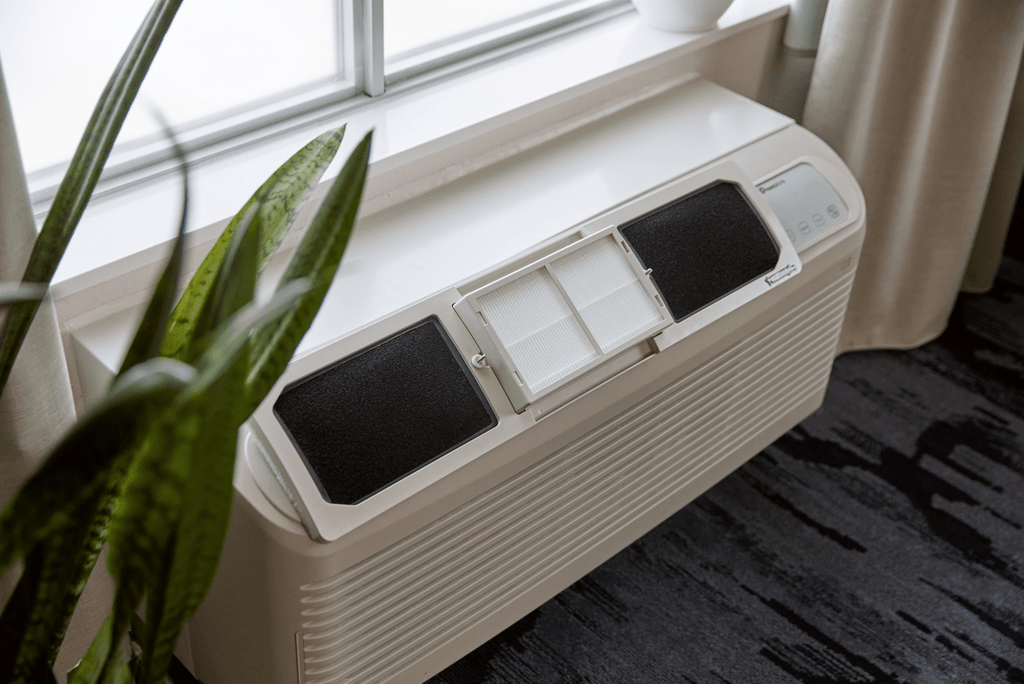
Filters trap dust and some particles as air moves through. This helps reduce dirt but does not remove all pollutants or germs.
- Fan pulls warm air inside
- Air passes over cold coils
- Filters catch dust and particles
- Cooled air returns to room
Air Filtration In Air Conditioners
Air conditioners help cool rooms but also filter air. They remove dust, pollen, and some tiny particles. This makes indoor air cleaner and easier to breathe.
Different filters inside air conditioners work to trap pollutants. The type and quality of the filter affect how well the air is cleaned.
Types Of Filters Used
Air conditioners use several filter types. Each type catches different sizes of particles. Some filters need to be cleaned or changed often.
- Fiberglass Filters:These catch large dust and debris but miss smaller particles.
- Pleated Filters:Made from folded fabric, they trap more dust and allergens.
- HEPA Filters:High-efficiency filters that catch 99.97% of tiny particles.
- Activated Carbon Filters:Remove odors and some gases from the air.
Filter Efficiency
Filter efficiency shows how well a filter cleans the air. It depends on the filter type and size of particles it can trap.
| Filter Type | Efficiency Range | Particles Removed |
| Fiberglass | Low (10-20%) | Large dust and debris |
| Pleated | Medium (40-60%) | Dust, pollen, mold spores |
| HEPA | High (99.97%) | Tiny particles, allergens, smoke |
| Activated Carbon | Varies | Odors, gases, some chemicals |
Limitations Of Air Conditioners In Purifying Air
Air conditioners cool indoor spaces but do not clean the air completely. They have limits in removing certain pollutants. It is important to understand what they cannot filter out.
Knowing these limits can help you choose the right devices for better air quality. Maintenance also plays a big role in how well air conditioners work.
What Air Conditioners Can’t Remove
Air conditioners mainly cool air and reduce humidity. They do not remove all harmful particles or gases. Some common pollutants remain even after the air passes through the unit.
- Viruses and bacteria that float in the air
- Strong odors from cooking, smoke, or pets
- Volatile organic compounds (VOCs) from paints and cleaners
- Fine dust particles smaller than the filter’s capacity
- Carbon monoxide and other toxic gases
Impact Of Poor Maintenance
Failing to clean or replace filters causes dirt buildup. This reduces the air conditioner’s ability to cool and filter air properly. Poor maintenance may lead to more indoor pollution.
| Maintenance Issue | Effect on Air Quality |
| Dirty Filters | Blocks airflow, traps dust poorly |
| Mold Growth | Spreads allergens and bad odors |
| Clogged Drainage | Causes water leaks and dampness |
| Neglected Coils | Reduces cooling efficiency |
Air Purifiers Vs Air Conditioners
Many people wonder if air conditioners clean the air. Air purifiers and air conditioners look similar. Both help with indoor air, but they work in different ways.
This article explains the key differences between air purifiers and air conditioners. It also tells you when to use each device.
Key Differences
Air purifiers clean the air by removing dust, pollen, and smoke. They use filters or other technology to trap tiny particles and germs.
Air conditioners cool the air by removing heat and moisture. They do not remove most pollutants or allergens from the air.
- Air purifiers focus on air quality and cleanliness.
- Air conditioners focus on temperature control.
- Air purifiers use HEPA filters, ionizers, or UV light.
- Air conditioners use refrigerants and fans to cool air.
- Air purifiers do not change room temperature.
- Air conditioners do not filter or clean the air deeply.
When To Use Each Device
Use an air purifier if you want to reduce allergens, dust, or smoke. It helps people with allergies or asthma breathe easier.
Use an air conditioner when the room is too hot or humid. It keeps you cool and comfortable during warm weather.
- Choose air purifiers in places with poor air quality.
- Choose air conditioners in hot climates or summer seasons.
- You can use both devices together for clean and cool air.
Improving Indoor Air Quality
Air conditioners help cool indoor spaces but do not fully clean the air. They can reduce some dust and particles by filtering air. Still, they are not designed to purify air completely.
To improve air quality inside your home, use other cleaning methods along with your air conditioner. This helps reduce allergens, dust, and pollutants for healthier air.
Complementary Air Cleaning Methods
Using extra air cleaning devices can boost indoor air quality. These methods work together with air conditioning to remove more harmful particles.
- Use HEPA air purifiers to capture tiny particles and allergens.
- Place activated charcoal filters to reduce odors and gases.
- Open windows often to increase fresh air circulation.
- Keep plants indoors that can help absorb pollutants.
Regular Maintenance Tips
Maintaining your air conditioner keeps it running well and cleaner. Regular care improves the air it circulates and lowers dust buildup.
| Maintenance Task | Frequency |
| Clean or replace air filters | Every 1-3 months |
| Check and clean coils | Once a year |
| Clear drain lines | Annually |
| Inspect ducts for leaks | Every 2 years |

Credit: www.greenwashingindex.com
Credit: rzmask.com
Frequently Asked Questions
Do Air Conditioners Clean Indoor Air Effectively?
Air conditioners mainly cool air but do not purify it completely. They filter dust and large particles but miss smaller pollutants and microbes. For true air purification, additional air purifiers or HEPA filters are needed alongside AC units.
Can Ac Units Remove Allergens From The Air?
Standard AC filters can trap some allergens like dust and pollen. However, they are not designed to eliminate all allergens or airborne pathogens. Specialized filters or air purifiers are better options for allergy control.
How Often Should Ac Filters Be Cleaned Or Replaced?
AC filters should be cleaned or replaced every 1 to 3 months. Regular maintenance ensures better air quality and improves AC efficiency. Dirty filters reduce airflow and can circulate dust and pollutants indoors.
Do Air Conditioners Reduce Indoor Humidity And Improve Air Quality?
Yes, air conditioners reduce indoor humidity by removing moisture from the air. Lower humidity can inhibit mold growth and improve comfort. However, ACs alone do not remove all air contaminants.
Conclusion
Air conditioners help cool the air but do not fully clean it. Some models include filters that catch dust and pollen. Still, they cannot remove all germs or harmful gases. For better air quality, use a dedicated air purifier. Regular cleaning of filters also helps keep air fresher.
Remember, clean air keeps you healthy and comfortable. Choose devices wisely to improve your indoor environment.