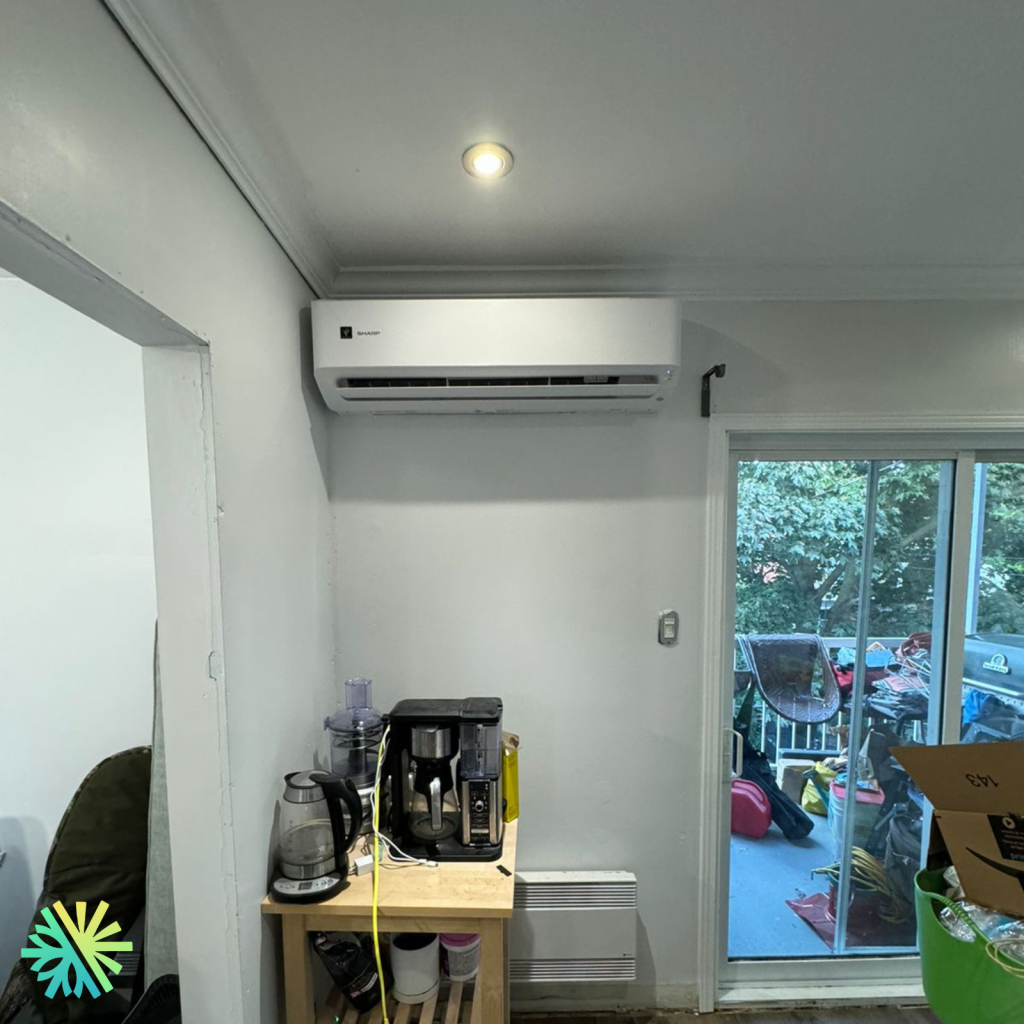
Have you ever wondered if your air conditioner does more than just cool your room? You might be surprised to learn that many people expect their AC to clean the air they breathe.
But does it really purify the air, or is that just a common myth? Understanding what your air conditioner can and cannot do is key to keeping your home fresh and healthy. Keep reading to discover the truth about air conditioners and air purification—your comfort and health depend on it.
How Air Conditioners Work
Air conditioners cool airby removing heat from inside a room. A refrigerant absorbs heat and moves it outside. This process lowers the air temperature. The cooled air then flows back into the room.
The air conditioner also controls humidity. Moisture condenses on the cold coils and drains away. This helps make the room feel more comfortable.
- Air is pulled inthrough a vent or grille.
- It passes over cold coils to get cooled.
- The cooled air is pushed back into the room.
- Fans help move the air in a steady flow.
This air circulationhelps cool the entire space evenly. It also moves air around to avoid hot spots.

Credit: www.youtube.com
Air Filtration In Ac Units
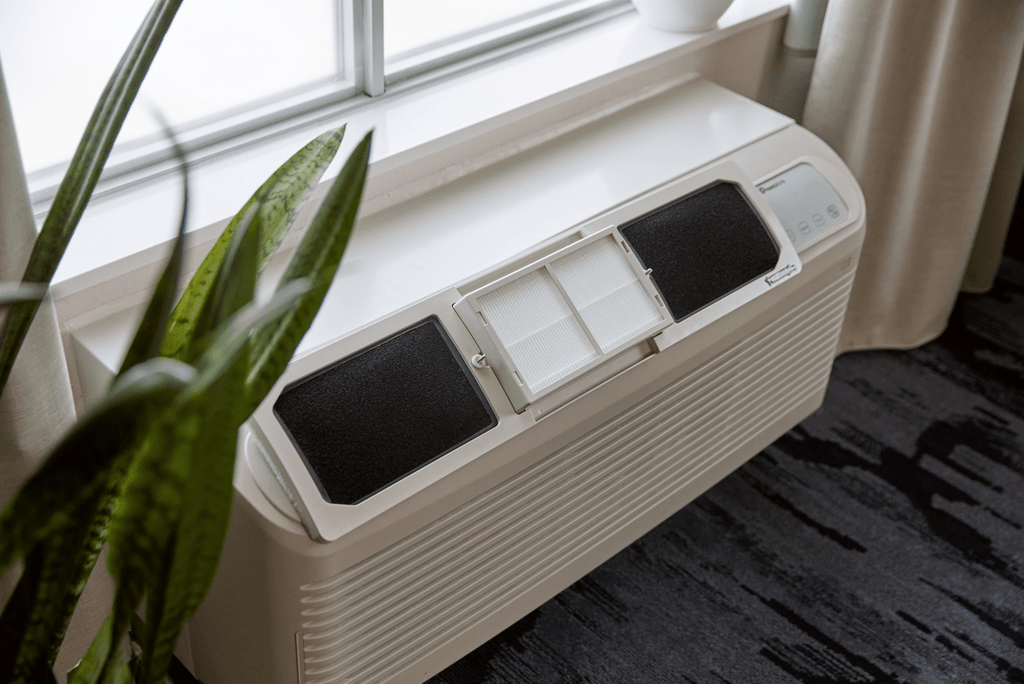
Air conditioners use different types of filtersto clean the air. Common filters include fiberglass, pleated, and HEPA. Fiberglass filters catch large dust and dirt particles. Pleated filters trap smaller particles like pollen and pet dander. HEPA filters remove even tiny particles, such as bacteria and smoke.
The effectiveness of filtersdepends on their quality and size. HEPA filters are the most effective but not all AC units support them. Pleated filters offer good filtration for most homes. Fiberglass filters are less effective but cost less.
| Filter Type | Particles Caught | Effectiveness | Cost |
|---|---|---|---|
| Fiberglass | Large dust, dirt | Low | Low |
| Pleated | Pollen, pet dander | Medium | Medium |
| HEPA | Bacteria, smoke, tiny particles | High | High |
Air Purification Vs. Air Conditioning
Air conditioners mainly cool the airinside a room. Their main job is to remove heat and humidity. They do not clean the air like air purifiers do. Air purifiers remove dust, pollen, and germsfrom the air.
Some air conditioners have filters, but these only catch large dust particles. They do not remove tiny particles or harmful gases. True air purifiers use special filters like HEPA to clean the air deeply.
- Air Conditioning:Cools air, removes humidity, uses simple filters.
- Air Purification:Removes allergens, dust, smoke, and germs.
Many think air conditioners clean the air fully. This is not true. They only help with temperature and comfort. For clean air, a separate air purifier is needed.
Credit: rzmask.com
Health Impacts Of Ac Air Quality
Air conditionerscan help reduce dust and pollen in the air. They use filtersthat catch some particles, making the air feel cleaner. This can help people with allergies breathe easier. Cooling the air also lowers humidity, which can stop mold growth. Less mold means better health for everyone in the room.
But AC units do not remove all germs or harmful chemicals. If filters are dirty, they can spread dust and bacteria. Poor maintenance may cause bad smellsand even lung problems. Some air conditioners also recycle the same air, which can trap viruses inside.
Enhancing Air Quality With Ac
Upgrading your air conditioner’s filterscan improve air qualitysignificantly. Standard filters catch larger dust particles but miss smaller pollutants. Using HEPA or activated carbon filterscan trap tiny particles, pollen, and odors better.
Filters should be cleaned or replaced regularly to keep air fresh. Dirty filters reduce airflow and let pollutants pass through.
Using additional air purifiersalongside your AC helps remove even more dust, allergens, and germs. Purifiers with UV light or ionizerscan kill bacteria and viruses. Place purifiers in rooms where you spend most time.
- Upgrade AC filters to HEPA or carbon types
- Clean or replace filters monthly
- Use extra air purifiers for better cleaning
- Choose purifiers with UV or ionizer features
When To Consider Separate Air Purifiers
Signs of poor indoor airinclude frequent sneezing, coughing, and headaches. Dust buildup on surfaces and a musty smell are also common. Pets and smoking can worsen air quality. If allergies or asthma symptoms increase indoors, it may mean the air is dirty. Mold spots or visible dust indicate a need for better air cleaning.
Choosing the right air purifier depends on your room size and specific needs. HEPA filters work well to catch tiny particles. Activated carbon filters help remove odors and gases. Some purifiers combine both for better cleaning. Noise level and energy use are important factors too. Look for models that fit your budget and space.

Credit: www.greenwashingindex.com
Frequently Asked Questions
Do Air Conditioners Purify Indoor Air?
Air conditioners primarily cool the air but don’t purify it. They filter large particles like dust, but not allergens or pollutants. For true air purification, consider using an air purifier with a HEPA filter alongside your AC unit.
Can Ac Filters Remove Allergens?
Standard AC filters capture large particles, not allergens. HEPA filters, however, can trap allergens effectively. Upgrading to a HEPA filter or using a dedicated air purifier can significantly improve air quality and reduce allergens indoors.
Do Air Conditioners Help With Mold?
Air conditioners control humidity, reducing mold growth. However, they don’t kill mold spores. Maintaining low humidity levels and using a dehumidifier or air purifier can help manage mold issues more effectively in your home.
How Often Should Ac Filters Be Changed?
AC filters should be changed every 1-3 months. This depends on usage and air quality. Regularly changing filters ensures efficient operation and cleaner air. Check your manufacturer’s guidelines for specific recommendations based on your model.
Conclusion
Air conditioners help cool and move air but do not fully clean it. They can trap some dust and particles. Still, they do not remove all germs or harmful gases. For better air quality, use air purifiers or open windows often.
Clean and maintain your AC regularly to avoid dust buildup. Good air quality keeps you healthy and comfortable indoors. Remember, ACs cool the air but should not replace true air purifiers. Choose the right tools to breathe cleaner air every day.