Have you ever wondered how your air conditioner keeps your home cool during the hottest days? You might be asking yourself, “Do air conditioners run on gas?” Understanding what powers your cooling system can help you make smarter choices for your comfort and energy bills.
You’ll discover the truth about how air conditioners work, what fuels them, and what that means for your home. Keep reading—you’re about to learn something that could change the way you think about staying cool.
How Air Conditioners Work
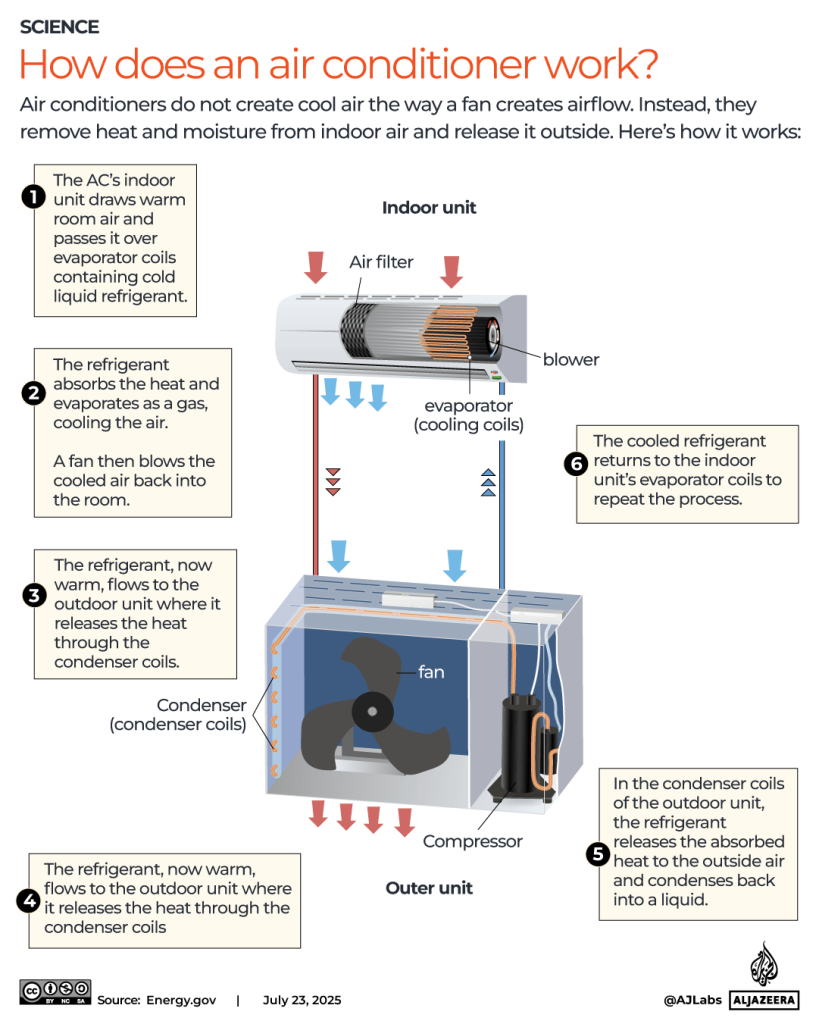
Air conditioners cool indoor spaces by removing heat and moisture. They use a system that moves heat from inside to outside. This process makes the air feel cooler and more comfortable.
The main parts include a compressor, condenser, expansion valve, and evaporator. These parts work together in a cycle to keep your room cool during hot days.
Basic Cooling Cycle
The cooling cycle starts with the compressor, which compresses the refrigerant gas. This raises its temperature and pressure. Next, the hot gas moves to the condenser, where it cools and turns into a liquid.
The liquid refrigerant then passes through the expansion valve. This lowers its pressure and temperature. Finally, the cold refrigerant flows through the evaporator coil. It absorbs heat from the indoor air, cooling the room.
- Compressor compresses refrigerant gas
- Condenser cools gas into liquid
- Expansion valve lowers pressure and temperature
- Evaporator absorbs heat from indoor air
Role Of Refrigerants
Refrigerants are special fluids that absorb and release heat. They change from gas to liquid and back during the cooling cycle. This ability makes air conditioning possible.
| Type | Purpose |
| R-22 | Common in older units |
| R-410A | Used in newer, efficient systems |
| Natural Refrigerants | Eco-friendly options like propane |
Energy Sources Used
Most air conditioners run on electricity. The compressor and fans need electric power to work. Some systems use gas for heating but not for cooling.
Here are common energy sources for air conditioners:
- Electricity for cooling and fan operation
- Natural gas for heating in some models
- Solar power as a renewable energy option
Types Of Air Conditioners
Air conditioners come in different types based on how they work. Some use electricity, others use gas, and some use both.
Knowing the types helps you understand if air conditioners run on gas or electricity.
Electric Air Conditioners
Electric air conditioners are the most common type. They use electricity to power a compressor and fans.
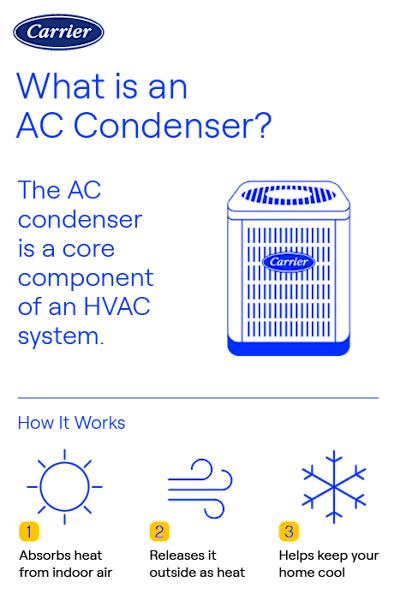
These units cool the air by removing heat inside your home and releasing it outside.
- Window units
- Split systems
- Central air conditioners
Gas-powered Air Conditioners
Gas-powered air conditioners use natural gas or propane to run the cooling system. They work like electric units but use gas as fuel.
These systems often use gas engines or absorption technology to cool the air.
- Absorption chillers use heat from gas combustion
- Gas engines power the compressor directly
- Less common in homes, more in commercial buildings
Hybrid Systems
Hybrid systems combine electricity and gas to cool your home. They switch between power sources to save energy.
These systems use electric cooling first and switch to gas when needed.
- Use electricity during mild weather
- Switch to gas in extreme heat
- Can lower energy costs
Gas-powered Air Conditioning Explained
Air conditioners usually run on electricity, but some use gas as a power source. Gas-powered air conditioning uses fuel to cool the air.
This type of air conditioning works differently from electric systems. It can be useful where electricity is expensive or limited.
Absorption Cooling Technology
Absorption cooling uses heat from gas to create a cooling effect. It does not use a compressor like electric air conditioners.
The system uses a refrigerant and an absorbent to move heat away from the air. This process creates cool air inside buildings.
Common Gas Fuels Used
Gas air conditioners usually run on natural gas or propane. These fuels are easy to find and burn cleanly.
- Natural gas is common in homes and businesses.
- Propane is used where natural gas is not available.
- Some systems use butane or other gas types.
Efficiency And Performance
Gas-powered air conditioners can be less efficient than electric ones. They work best in places with low electricity supply.
These systems use heat directly, which can save energy in some cases. Maintenance is important to keep performance steady.

Credit: coastalhomeservicesinc.com
Comparing Gas And Electric Units
Air conditioners usually use electricity to cool your home. Some units can run on gas, but they are less common. Gas and electric air conditioners work differently and have different pros and cons.
This guide compares gas and electric air conditioners. It looks at cost, environmental impact, and maintenance needs to help you understand the differences.
Cost Implications
Electric air conditioners often cost less to buy and install. Gas units can be more expensive at first. Running costs depend on local prices for gas and electricity.
Gas units may save money in places with low gas prices. Electric units can be cheaper where electricity is affordable. The choice affects your monthly bills.
- Electric units have lower upfront costs.
- Gas units might have lower fuel costs in some areas.
- Electricity prices vary by region and season.
- Gas prices can be more stable over time.
Environmental Impact
Electric air conditioners produce no direct emissions. Their impact depends on how the electricity is made. If power comes from fossil fuels, pollution is higher.
Gas air conditioners burn natural gas, which releases carbon dioxide. This adds to greenhouse gases and climate change. Using clean energy helps reduce harm.
- Electric units have zero local emissions.
- Gas units emit carbon dioxide during use.
- Renewable energy lowers electric unit impact.
- Natural gas is cleaner than coal but still pollutes.
Maintenance Requirements
Electric air conditioners need regular filter cleaning and system checks. They have fewer parts that wear out. This usually means less maintenance cost.
Gas units require more care to keep safe and efficient. Gas lines and burners must be inspected often. This adds to maintenance time and cost.
- Electric units need filter and coil cleaning.
- Gas units need gas line and burner inspections.
- Gas units may need more frequent professional service.
- Proper maintenance extends unit lifespan for both types.
Where Gas Air Conditioners Are Popular
Gas air conditioners use natural gas to cool spaces. They are common in areas with limited electricity.
These systems help reduce electric bills and work well in places with cheap gas supply.
Commercial Applications
Many businesses use gas air conditioners to save on energy costs. They suit large buildings and factories.
Gas AC units run quietly and keep large spaces cool without overloading electric grids.
- Office buildings with high cooling needs
- Shopping malls and retail stores
- Warehouses and manufacturing plants
- Hospitals and schools
Residential Use Cases
Some homes use gas air conditioners to lower electric bills. They work well in areas with stable gas supply.
These AC units are good for houses that face frequent power outages or have limited electric capacity.
- Homes in rural or off-grid areas
- Houses with high cooling demands
- Residences aiming to cut electricity costs
Geographical Preferences
Gas air conditioners are popular in regions with cheap natural gas and unreliable electricity.
They are common in parts of the US, India, and Middle East where gas is affordable and electric power varies.
- United States (especially Texas and Louisiana)
- India (urban and rural areas with gas pipelines)
- Middle East countries with natural gas reserves
- Remote regions with limited electric infrastructure

Credit: www.aljazeera.com
Future Trends In Air Conditioning
Air conditioning technology is changing fast. New designs help save energy and protect the environment.
These trends will shape how air conditioners work in the future. They focus on smart use and less impact on nature.
Emerging Technologies
New air conditioners use smart controls and better sensors. They adjust cooling based on the room’s needs.
Some models use natural refrigerants instead of harmful chemicals. This helps reduce pollution and health risks.
- Smart thermostats with voice control
- Inverter technology for smooth power use
- Natural refrigerants like propane and CO2
Energy Efficiency Improvements
Air conditioners are becoming more energy efficient. They use less electricity to cool the same space.
New designs improve heat exchange and reduce waste. This helps lower electricity bills and power use.
- Better insulation and sealing in units
- Advanced compressors using less power
- Improved fans and air flow systems
Sustainability Focus
Air conditioners will focus more on being eco-friendly. This means less impact on the planet during use and disposal.
Manufacturers aim to use recyclable materials and reduce greenhouse gases. This helps fight climate change.
- Use of recyclable and biodegradable parts
- Lower global warming potential refrigerants
- Designs that last longer and need less repair
Credit: www.carrier.com
Frequently Asked Questions
Do Air Conditioners Use Natural Gas To Operate?
Most air conditioners run on electricity, not natural gas. Some models use gas for heating but cool using electricity.
Can Air Conditioners Run Solely On Gas Power?
No, standard air conditioners do not run solely on gas. Gas is used mainly for heating, not cooling.
How Do Gas-powered Air Conditioners Work?
Gas-powered air conditioners use gas engines to drive compressors. They still rely on refrigerants and electricity for cooling.
Are Gas Air Conditioners More Energy-efficient Than Electric Ones?
Gas air conditioners can be efficient in certain settings. However, electric AC units are generally more common and versatile.
Conclusion
Air conditioners use electricity, not gas, for cooling. They work by moving heat out of your home. This process uses a refrigerant, not gasoline or natural gas. Some units might use gas for heating in dual systems. But mostly, they rely on electricity to cool.
Regular maintenance keeps them efficient. Check filters and clean them often. Understand your unit to save energy and costs. Air conditioners are essential for comfort, especially in hot weather. Knowing how they operate helps in making informed decisions. Always consult a professional for any concerns.
Stay cool and enjoy the comfort of your home.