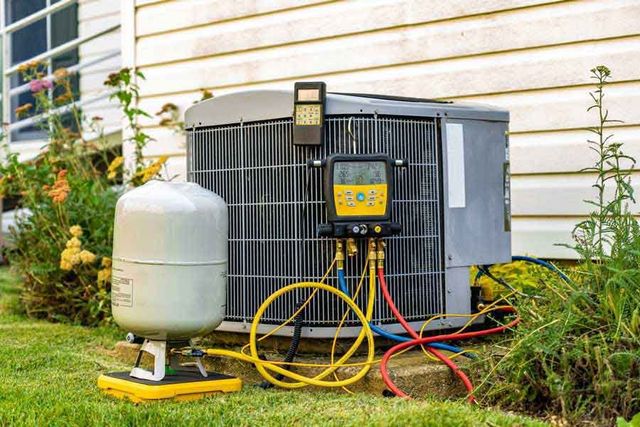
Have you ever wondered what’s inside your air conditioner that keeps your home cool during hot days? You might have heard the word “Freon” before, but do air conditioners still use it today?
Understanding this can help you make smarter choices about your cooling system and even save money on repairs. Keep reading to discover the truth about Freon and what it means for your air conditioner’s performance and the environment.

Credit: atlasacrepair.com
History Of Freon In Air Conditioning
Freon is a type of refrigerant used in air conditioners for many years. It helped cool homes and buildings efficiently. This chemical made air conditioning systems work better than older methods.
Understanding Freon’s history shows how air conditioning has changed. It also explains why Freon was popular and why newer chemicals are now used.
Early Use Of Freon
Freon was first made in the 1920s to replace harmful gases. Before Freon, air conditioners used dangerous chemicals like ammonia. Freon was safer and did not burn or explode easily.
Freon became the main refrigerant in many cooling systems. It helped make air conditioning more common in homes and cars. Its use grew fast during the 20th century.
Benefits Of Freon In Cooling Systems
Freon helped air conditioners cool air quickly and keep it cold for a long time. It worked well with the machines to save energy and reduce costs.
It was non-toxic and did not catch fire easily. These features made Freon popular in homes, offices, and cars. It also had a low boiling point, which helped in efficient cooling.
- Non-toxic and safe to use
- Low flammability
- Efficient at heat transfer
- Helped protect mechanical parts
- Easy to produce and use
Environmental Impact Of Freon
Freon is a chemical used in many air conditioners. It helps cool the air inside buildings. But Freon can harm the environment. It has effects on the ozone layer and the earth’s climate.
This article explains two main problems caused by Freon. They are ozone layer depletion and global warming potential. Understanding these issues helps us see why Freon is being replaced.
Ozone Layer Depletion
The ozone layer protects the earth from harmful ultraviolet rays. Some types of Freon release chemicals called CFCs. These CFCs break down the ozone layer. This allows more UV rays to reach the surface.
- Freon contains chlorine atoms.
- Chlorine reacts with ozone molecules.
- This reaction destroys ozone and creates holes.
- More UV rays cause skin cancer and damage plants.
Global Warming Potential
Freon gases can trap heat in the earth’s atmosphere. This makes global warming worse. Each type of Freon has a different ability to warm the planet.
| Type of Freon | Global Warming Potential (GWP) |
| R-12 | 10,900 |
| R-22 | 1,810 |
| R-134a | 1,430 |
High GWP means the gas traps more heat. This makes Freon a strong contributor to climate change. Newer refrigerants have much lower GWP to reduce harm.
Regulations Affecting Freon Use
Freon is a type of refrigerant once common in air conditioners. It has chemicals that harm the ozone layer. Governments set rules to reduce its use.
These rules help protect the environment. They guide how manufacturers use and stop using Freon.
Montreal Protocol
The Montreal Protocol is an international agreement. It aims to protect the ozone layer by controlling harmful chemicals.
This treaty limits the production and use of Freon and similar substances. Countries agreed to reduce these chemicals step by step.
Phase-out Timelines
The phase-out of Freon started in the late 1980s. Different types of Freon were banned at different times.
- CFC-12, a common Freon, stopped being made for new air conditioners by 1996.
- HCFC-22 was used longer but must end soon to meet global rules.
- New rules require using safer refrigerants with less harm.
These timelines help reduce damage to the ozone layer. They push the air conditioner industry to find better alternatives.
Credit: www.iecomfortac.com
Current Refrigerants In Air Conditioners
Air conditioners use refrigerants to cool air. Freon was once the most common refrigerant. Today, many air conditioners use safer alternatives.
These new refrigerants protect the environment better. They reduce harm to the ozone layer and lower greenhouse gas effects.
Alternatives To Freon
Freon, or R-22, is being phased out due to its ozone damage. New refrigerants include R-410A, R-32, and R-454B. These options have less impact on the environment.
- R-410A: Used in many modern air conditioners, no ozone depletion.
- R-32: Has lower global warming potential than R-410A.
- R-454B: A newer refrigerant with low environmental impact.
Advantages Of New Refrigerants
| Benefit | Description |
| Ozone Safe | New refrigerants do not harm the ozone layer. |
| Lower Global Warming | They reduce greenhouse gas effects compared to Freon. |
| Energy Efficiency | Modern refrigerants help air conditioners use less power. |
| Better Cooling | They improve the cooling performance of AC units. |
Maintenance And Servicing Considerations
Air conditioners need regular care to work well. Knowing about the refrigerants used is important for safe maintenance.
Many old systems still use Freon, but newer ones use different refrigerants. This affects how they are serviced.
Handling Freon Systems
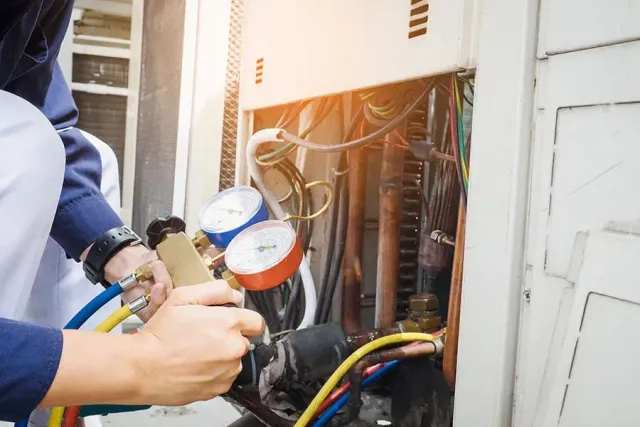
Freon is a common refrigerant in older air conditioners. It requires careful handling because it can harm the environment.
Technicians must use special tools and follow safety rules to check and refill Freon. Leaks must be fixed quickly to avoid damage.
- Use proper equipment for Freon recovery
- Wear protective gear during servicing
- Check for leaks with approved detectors
- Follow local regulations for Freon handling
Transitioning To New Refrigerants
New air conditioners use safer refrigerants that do less harm to the environment. These include R-410A and others.
Switching to these refrigerants means technicians need new knowledge and tools. This change also affects maintenance steps.
- Learn about new refrigerant types
- Use equipment compatible with new refrigerants
- Follow updated safety and disposal rules
- Schedule regular checks to maintain efficiency
Future Trends In Air Conditioning
Air conditioners are changing to protect our planet. They now use safer materials than before.
New ideas help cool homes and offices while saving energy and reducing pollution.
Eco-friendly Technologies
Many new air conditioners avoid old chemicals like Freon. These chemicals harm the ozone layer.
Modern units use refrigerants with less impact on the environment. Some use natural gases or liquids.
- Hydrofluoroolefins (HFOs) replace Freon in many systems
- Natural refrigerants like CO2 and ammonia are gaining popularity
- Air conditioners are designed to use less power
Innovations In Cooling Solutions
New cooling methods improve comfort without high energy use. Some use smart technology to adjust settings.
These systems can learn your schedule and save energy when you are not home.
- Variable speed compressors adjust cooling power efficiently
- Solar-powered air conditioners reduce electricity use
- Evaporative coolers use water to cool air in dry climates

Credit: www.georgiaairrepair.com
Frequently Asked Questions
Do Modern Air Conditioners Still Use Freon?
Most modern ACs no longer use traditional Freon (R-22). They use eco-friendly refrigerants like R-410A. This change helps reduce ozone depletion and environmental harm. However, older units may still operate with Freon.
Why Is Freon Being Phased Out In Air Conditioners?
Freon (R-22) harms the ozone layer and contributes to global warming. Due to environmental laws, its production and use are being phased out worldwide. Manufacturers now prefer safer refrigerants that comply with these regulations.
Can I Refill My Ac With Freon Today?
Refilling older AC units with Freon is possible but increasingly expensive. R-22 production is limited, making it costly. Newer refrigerants are recommended for efficiency and environmental safety. Professional consultation is advised before refilling.
What Refrigerants Replace Freon In Air Conditioners?
R-410A is the most common Freon replacement in modern ACs. It is more energy-efficient and environmentally friendly. Other alternatives include R-32 and R-454B, designed to reduce greenhouse gas emissions.
Conclusion
Air conditioners have mostly moved away from using Freon. New models use safer and eco-friendly refrigerants. Freon can harm the environment and is now limited by law. Older units might still use Freon but need special handling. Always check your AC type before service or replacement.
Staying informed helps you choose the best cooling options. Clean air and a cool home matter most. Keep your system updated for safety and efficiency.