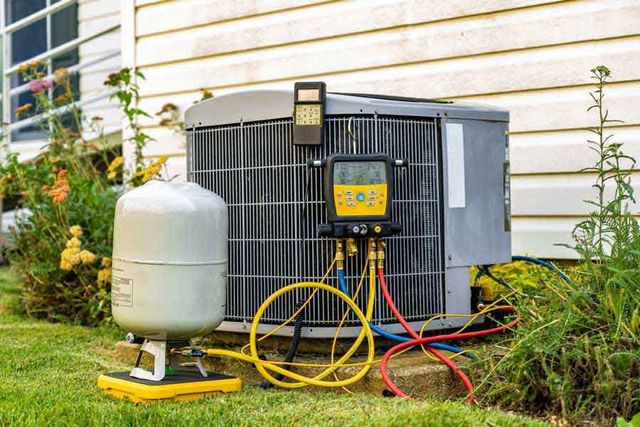
Have you ever wondered what keeps your air conditioner running smoothly during those hot summer days? You might have heard the term “Freon” tossed around when talking about AC units.
But do air conditioners still use Freon today? Understanding this can save you money and help you make smarter choices for your home. Keep reading, because what you discover might change the way you think about your cooling system—and how to maintain it efficiently.
Credit: www.iecomfortac.com
History Of Freon In Air Conditioning
Freonwas first used in air conditioners in the early 20th century. It replaced dangerous and toxic refrigerants used before. Freon was popular because it was non-flammableand stable. It made air conditioners safer and more efficient.
Freon’s use spread quickly in homes, cars, and businesses. It helped cool spaces without the risks of older chemicals. But by the late 20th century, scientists found Freon was harming the ozone layer.
Concerns grew as Freon’s chemicals were linked to ozone depletion. This led to new laws to limit and phase out many types of Freon. Safer and greener alternatives started to replace it in air conditioning systems.
Current Status Of Freon Use
Freonwas once the main refrigerant in air conditioners. Laws now limit its use because it harms the ozone layer. Most new units use safer refrigerants like R-410Ainstead of Freon.
Older air conditioners still need Freon for repairs. Finding Freon is getting harder and more expensive. This makes fixing old units costly.
| Aspect | Older Units | Newer Units |
|---|---|---|
| Refrigerant Type | Freon (R-22) | Eco-friendly refrigerants (e.g., R-410A) |
| Regulation Impact | Phase-out, limited supply | Compliant with new rules |
| Cost and Availability | High cost, scarce | More affordable, widely available |
Alternatives To Freon
Common replacement refrigerantsinclude R-410A, R-32, and R-134a. These are safer for the environment and do not harm the ozone layer. R-410A is widely used in new air conditioners and cools efficiently. R-32 has a lower global warming potential. R-134a is often used in car air conditioning systems.
Benefits of new refrigerantsare their better energy efficiency and lower environmental impact. They also reduce greenhouse gas emissions. These refrigerants help save money on electricity bills. They are less likely to cause damage to the ozone layer.
Compatibility with existing systemsvaries. Some older systems need parts changed to use new refrigerants safely. New air conditioners are designed to work well with these replacements. It is important to check if a system can use a new refrigerant before switching.
Maintaining Air Conditioners With Freon
Signs of refrigerant leaksinclude warm air from vents, ice on coils, and hissing sounds near the unit. Low cooling power and high energy bills can also signal leaks.
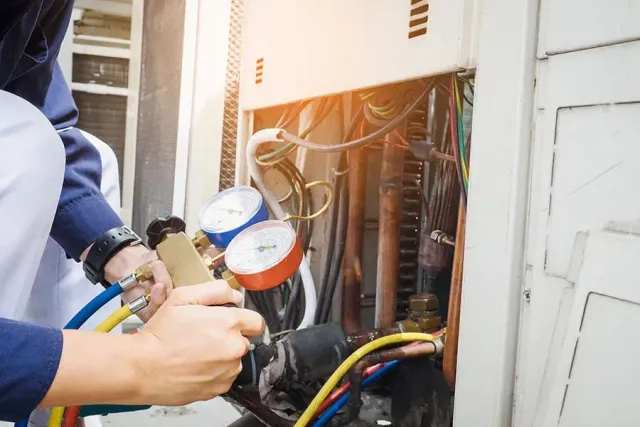
Proper refilling and handlingrequire checking the exact refrigerant type. Only certified technicians should add refrigerant to avoid overfilling or environmental harm.
Professional servicing tips:
- Inspect all connections for leaks regularly.
- Use the correct tools and gauges during refilling.
- Follow safety rules to prevent refrigerant exposure.
- Keep records of refrigerant amounts and service dates.
- Test the system after refilling to ensure proper function.
Future Of Air Conditioning Refrigerants
Air conditioning is moving away from using Freon. New technologies use safer and eco-friendly gases. These gases cause less harm to the environment and reduce pollution.
Many companies focus on energy efficiency. This helps save money and lowers electricity use. Some systems use natural refrigerants like CO2or hydrocarbons. These have a smaller impact on the planet.
- Emerging technologiesimprove cooling with less harmful gases.
- Environmental impact reductionis a key goal for new refrigerants.
- Industry trends show a shift to low global warming potential (GWP)gases.
- Predictions suggest Freon use will decline significantly in future AC units.

Credit: atlasacrepair.com

Credit: atlasacrepair.com
Frequently Asked Questions
Do Modern Air Conditioners Still Use Freon?
Most modern air conditioners no longer use Freon. Instead, they use eco-friendly refrigerants like R-410A. These newer refrigerants are safer for the environment and more efficient.
Why Was Freon Phased Out In Air Conditioners?
Freon was phased out due to its high ozone depletion potential. Environmental regulations pushed manufacturers to adopt safer refrigerants. This shift helps protect the ozone layer and reduce global warming.
What Refrigerants Replaced Freon In Ac Units?
R-410A and R-32 are common Freon replacements. These refrigerants have lower environmental impact and better cooling efficiency. They comply with modern environmental standards and regulations.
Can Old Air Conditioners Still Use Freon Today?
Older AC units may still use Freon, but it’s being phased out. Servicing such units can be costly due to limited Freon availability. Upgrading to newer models is recommended for efficiency and eco-friendliness.
Conclusion
Air conditioners today use more eco-friendly refrigerants. Freon, an older option, is less common now. Modern systems prioritize safety and environmental benefits. This change helps reduce ozone depletion. Always check your unit’s specifications. Ensure compatibility with current standards. Newer refrigerants offer efficient cooling.
They also meet environmental regulations. Upgrading can be a wise choice. It ensures compliance and efficiency. Keep your home cool and eco-friendly. Consider consulting a professional for advice. They can guide your decision. Stay informed. Make choices that benefit both your comfort and the planet.