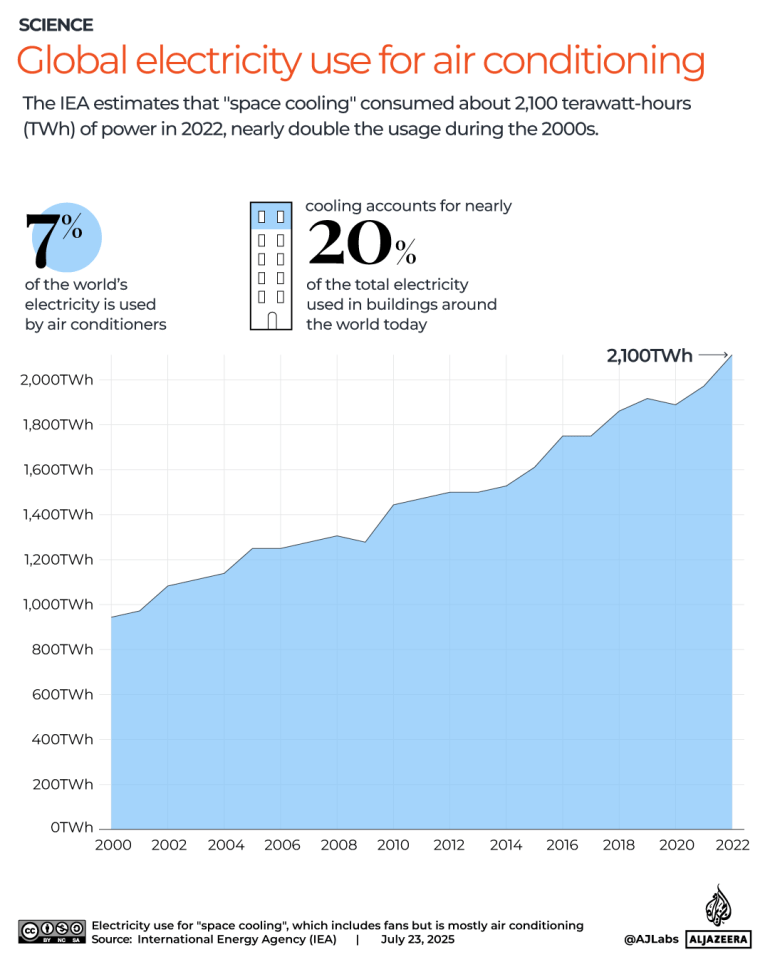
Have you ever wondered if your air conditioner is responsible for those climbing electricity bills? You’re not alone.
Many people are curious about how much electricity their air conditioners actually consume. Whether you’re trying to cut costs or live a more eco-friendly lifestyle, understanding your air conditioner’s energy use is crucial. We’ll break down the facts in simple terms and reveal some surprising insights that might change the way you cool your home.
Prepare to discover the hidden truths about your AC unit that could help you save money and make smarter energy choices. Keep reading to find out how you can stay cool without breaking the bank.

Credit: www.theelectriciansco.com
How Air Conditioners Work
Air conditioners cool rooms by moving heat from inside to outside. They use a special liquid called refrigerant. This liquid absorbs heat and changes from liquid to gas. Then, it releases heat outside and turns back to liquid. This cycle keeps your room cool.
The main parts include the compressor, condenser, and evaporator. The compressor squeezes the refrigerant. The condenser pushes heat outside. The evaporator cools the air inside.
| Type of Air Conditioner | How It Cools | Best For |
|---|---|---|
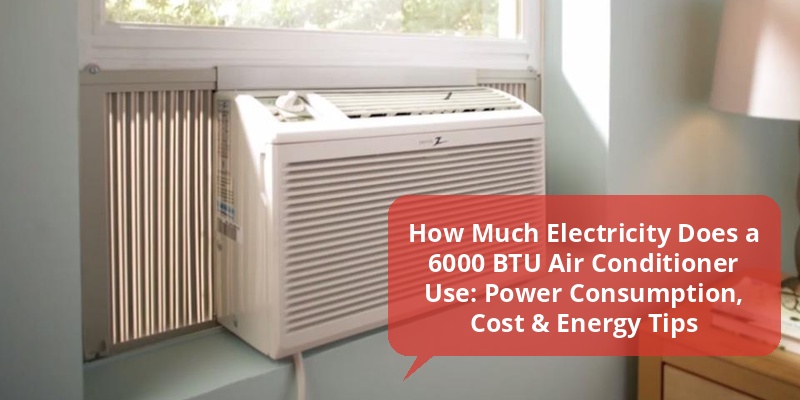
| Window AC | Cools a single room by pushing heat outside | Small rooms |
| Split AC | Quiet cooling with indoor and outdoor units | Homes and offices |
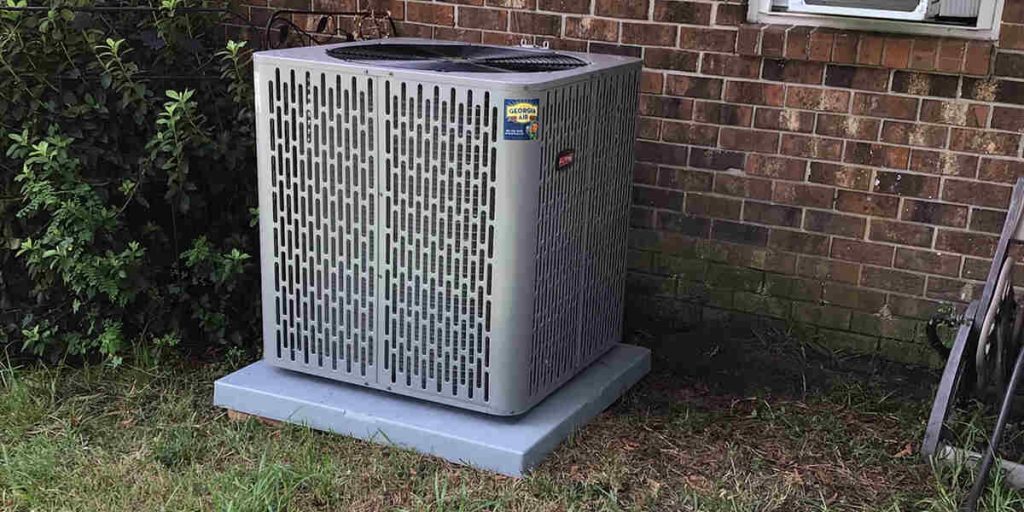
| Central AC | Cools entire buildings through ducts | Large houses or offices |
Electricity Consumption Factors
Air conditioners consume electricitybased on various factors. The power ratingshows how much energy the unit uses. Higher ratings mean more electricity consumption. The efficiencyof the AC also matters. More efficient models use less power to cool the same space.
Usage patternsgreatly affect electricity use. Running the AC for long hours or setting very low temperatures will increase power consumption. Short, moderate use saves energy. Regular maintenance helps keep the AC running efficiently.
Climate and temperatureinfluence the electricity needed. Hotter climates require the AC to work harder, using more energy. Mild weather means less power is needed. Proper insulation and shading can reduce the cooling load.
Energy Cost Breakdown
Air conditioners use electricityto cool rooms. The cost depends on power usageand hours run. Energy usage is measured in kilowatt-hours (kWh).
To calculate monthly cost, multiply kWh used by your electricity rate. For example, a unit that uses 1.5 kWh for 8 hours daily at $0.12 per kWh costs around $4.32 per month.
| Model | Power Usage (kW) | Daily Hours | Monthly Cost ($) |
|---|---|---|---|
| Model A | 1.2 | 6 | 2.59 |
| Model B | 1.5 | 8 | 4.32 |
| Model C | 2.0 | 10 | 7.20 |
Annual expenses are monthly cost times 12. Choosing efficient models lowers bills and saves energy.
Credit: northnjhvac.com
Ways To Reduce Energy Use
Air conditioners use electricityto cool your home. Saving energy helps lower bills and protect the environment.
- Keep filters clean for better airflow and efficiency.
- Seal windows and doors to stop cool air from escaping.
- Close curtains during hot afternoons to block heat.
- Use fans to help spread cool air faster.
Regular maintenancelike cleaning coils and checking refrigerant keeps AC running well. It prevents extra energy useand extends the unit’s life.
| Smart Thermostat Benefits | How It Saves Energy |
|---|---|
| Automatic temperature adjustment | Reduces cooling when no one is home |
| Remote control via phone | Turn off or lower AC before arriving home |
| Energy usage reports | Helps track and lower electricity use |
Alternative Cooling Options
Fans use less electricitythan air conditioners. They move air around, making you feel cooler. Fans do not lower room temperature but help sweat evaporate from skin, which cools you down.
Evaporative coolersuse water to cool air. They work best in dry places. These coolers use less electricity than air conditioners. But they add humidity, so they are less good in wet climates.
Natural ventilationmeans opening windows and doors. This lets fresh air flow through your home. It uses no electricity and can cool your space well if there is a breeze. It also removes indoor heat and moisture.
Credit: www.georgiaairrepair.com
Frequently Asked Questions
Do Air Conditioners Consume A Lot Of Electricity?
Air conditioners can use significant electricity, especially older models. Energy-efficient units consume less power while maintaining effective cooling. Usage duration and temperature settings also impact electricity consumption.
How Much Electricity Does An Air Conditioner Use?
A typical air conditioner uses between 500 to 1500 watts per hour. Consumption varies by unit size, efficiency, and usage frequency. Checking the Energy Star rating helps estimate exact electricity use.
Can Air Conditioners Increase My Electricity Bill?
Yes, running an air conditioner increases your electricity bill. Higher usage and lower efficiency raise costs. Using programmable thermostats and regular maintenance can help reduce electricity expenses.
Do All Types Of Air Conditioners Use Electricity?
Most air conditioners use electricity to power compressors and fans. Some models, like evaporative coolers, use less electricity but depend on water. Traditional units primarily rely on electric power for cooling.
Conclusion
Air conditioners need electricity to work. They use power to cool the air inside your home. This means your electric bill may go up when you run the AC a lot. Choosing energy-efficient models can save money and reduce power use.
Turning off the AC when not needed helps too. Understanding how air conditioners use electricity helps you make smart choices. Stay cool while keeping energy use low. Simple habits can make a big difference.