
Have you ever wondered if your air conditioner uses gas to cool your home? It’s a common question that many people ask but don’t always get a clear answer to.
Knowing how your AC works can help you save money, stay safe, and keep your system running smoothly. You’ll discover the truth about air conditioners and gas—what role gas plays, if any, and how it affects your cooling experience. Keep reading to find out what you really need to know about your air conditioner’s energy source.
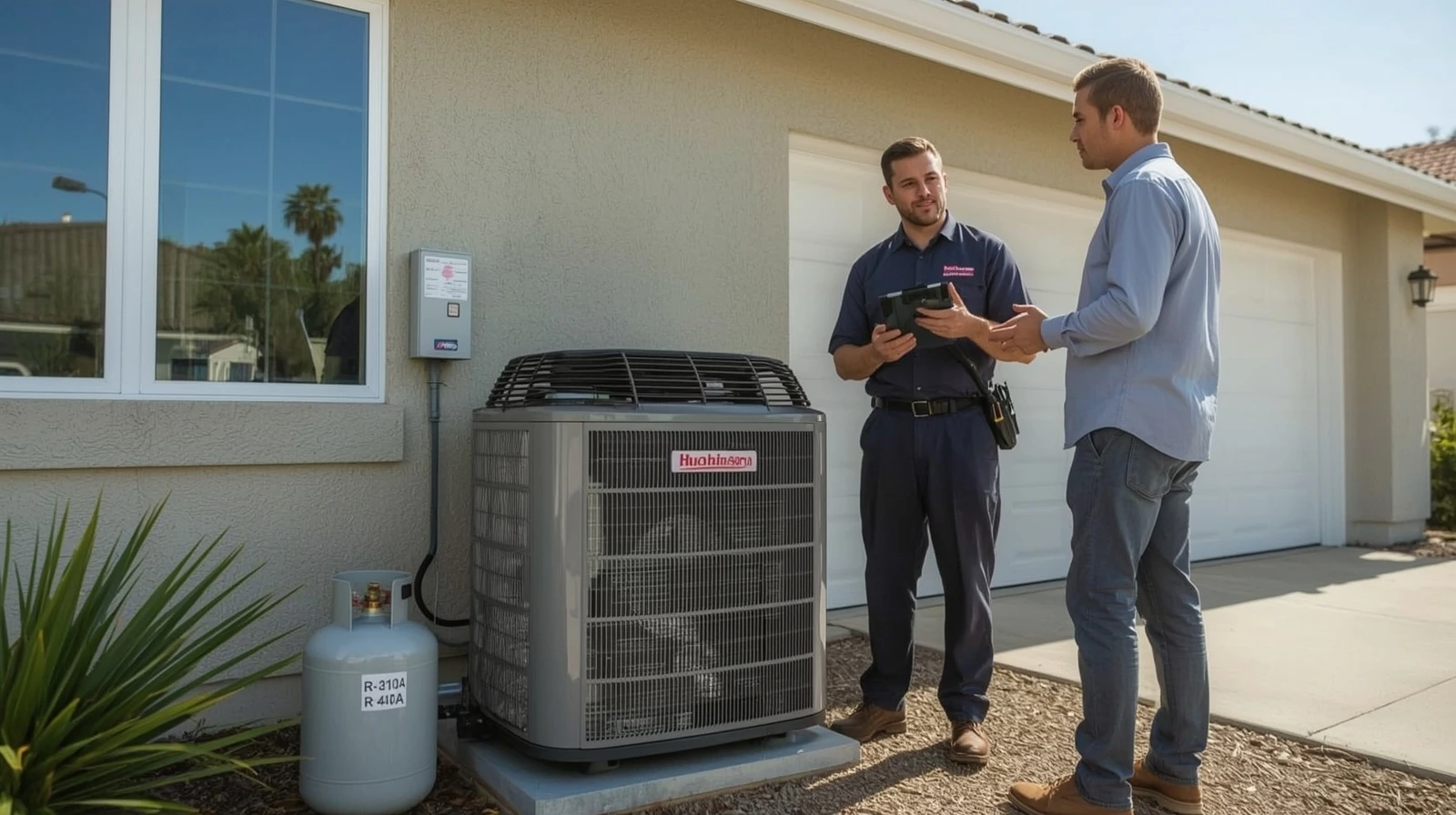
Credit: hvac-temecula-murrieta.com
How Air Conditioners Work
Air conditioners cool rooms by moving heat outside. The basic cooling cycleuses a loop of refrigerant gas. This gas absorbs heat inside the room and releases it outside.
The refrigerant changes from liquid to gas and back again. It starts as a cold liquid. This liquid absorbs heat and turns into warm gas. The gas moves outside and cools down to become liquid again. This cycle keeps repeating to cool the air.
Refrigerantsare special gases in the AC system. They carry heat away from inside the room. Common refrigerants include R-410A and R-32. These gases are designed to be safe and efficient. Without refrigerants, air conditioners cannot cool properly.

Credit: yourenergyanswers.com
Types Of Gases In Air Conditioners
Air conditioners use special gases called refrigerantsto cool the air. These gases absorb heat from inside and release it outside. Some common refrigerants include:
- R-22: Older type, now being phased out due to environmental harm.
- R-410A: More efficient and safer for the ozone layer.
- R-32: Used in newer models, better for the environment.
Many refrigerants can harm the environment if leaked. They may cause ozone layer damageor contribute to global warming. New rules limit the use of harmful gases. Manufacturers now choose gases with lower environmental impact. Proper handling and recycling of refrigerants is very important to protect our planet.
Do Air Conditioners Use Gas?
Air conditioners mainly use electricityto work. They do not burn gas like heaters. Inside, a special liquid called refrigerantmoves through pipes. This liquid helps cool the air. The system has a compressorthat pumps the refrigerant. This compressor runs on electricity, not gas.
Some older or special air conditioners may use gas to power the compressor. But most modern units use electric motors. Electric parts are cleaner and easier to control.
- People think air conditioners use gas for cooling, but they don’t.
- The cooling comes from the refrigerant cycle, not burning gas.
- Gas is used in some heating systems, which can confuse people.
- Electric power is the main energy source for regular air conditioners.
Gas-powered Air Conditioning Systems
Gas-powered air conditioners use natural gas or propane to cool homes. They do not rely on electricity alone. Instead, a gas engine or burner heats a special refrigerant. This process helps remove heat from inside the house. The cooled air is then blown through vents to cool rooms.
The system combines both gas and electricity. Gas powers the compressor or engine, while electricity runs fans and controls.
| Pros | Cons |
|---|---|
| Can be more energy efficientin some areas | Initial installation costcan be higher |
| Works well in places with low electricity costs | Requires access to natural gas supply |
| Can reduce electricity useduring hot months | Gas leaks can be dangerousif not maintained |
| May provide quieter operationthan electric units | Less common and harder to find technicians |
Safety And Maintenance Of Ac Gases
Refrigerants in air conditioners need careful handling. These gases can be harmful if released. Always use protective gearlike gloves and masks when dealing with them. Only trained professionals should refill or fix refrigerant leaks. Proper storage and disposal are important to avoid environmental damage.
Look out for signs of gas leaksin your AC unit. These include:
- Warm air blowing from the vents
- Strange hissing sounds near the unit
- Frost or ice build-up on the pipes
- Sudden increase in energy bills
- Bad or chemical smells around the system
Detecting leaks early helps keep the unit safe and efficient. Regular maintenance checks are key to preventing problems.
Future Of Air Conditioning Gases
The future of air conditioning gases focuses on eco-friendly refrigerants. These new gases help reduce harm to the environment. They have lower global warming potentialand do not damage the ozone layer.
Many countries now follow strict regulationsto limit harmful gases. This pushes the industry to adopt safer alternatives. Some common eco-friendly refrigerants include:
- Hydrofluoroolefins (HFOs)
- Natural refrigerants like CO2and ammonia
- Hydrocarbons such as propane and isobutane
Industry trends show a clear move towards sustainability. Manufacturers invest in new technology to meet rules. This helps create greener and safer air conditionersworldwide.

Credit: www.evapolar.com
Frequently Asked Questions
Do Air Conditioners Run On Natural Gas?
No, most air conditioners use electricity, not natural gas. Some specialized models use gas, but they are less common.
What Type Of Gas Do Air Conditioners Use?
Air conditioners use refrigerant gases like R-410A or R-32, not natural gas. These gases help cool the air efficiently.
Can Gas-powered Air Conditioners Save Energy?
Gas-powered air conditioners can save energy in some cases. They work well where electricity is costly or unreliable.
How Does Refrigerant Gas Work In Ac Units?
Refrigerant gas absorbs heat from indoor air and releases it outside. This process cools the indoor environment effectively.
Conclusion
Air conditioners do use gas, but not the kind for cooking. They use special refrigerant gas to cool the air. This gas moves heat from inside to outside your home. Knowing this helps you understand how air conditioners work. Regular maintenance keeps the gas system running well.
Check your unit for leaks or damage. Proper care means better cooling and longer life. Now you know why gas matters in air conditioning. It’s a key part of staying cool and comfortable.