Have you ever wondered if your air conditioner uses water to keep your home cool? It’s a question many people ask but don’t always find a clear answer to.
Understanding how your AC works can help you take better care of it and even save on energy bills. Keep reading, because what you’ll learn might change how you think about cooling your space—and it’s easier to grasp than you think.
Let’s dive into the surprising truth about water and air conditioners.
Credit: top10gears.com
How Air Conditioners Work
Air conditioners cool the air by removing heat and moisture. They use a closed loop of pipes filled with refrigerants. These chemicals absorb heat from inside and release it outside.
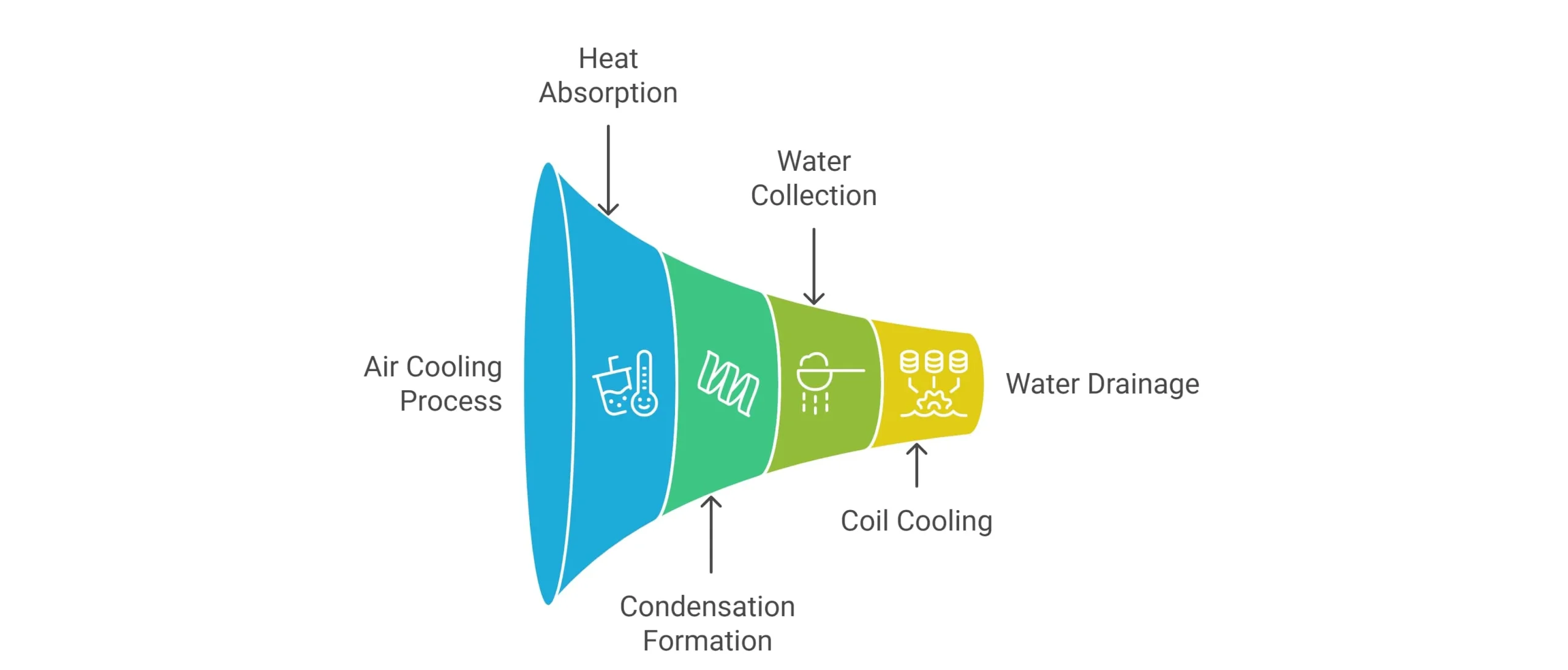
The cooling process starts when warm air passes over cold coils. The refrigerant inside the coils changes from liquid to gas, taking heat away. Then it moves outside to cool down and become liquid again.
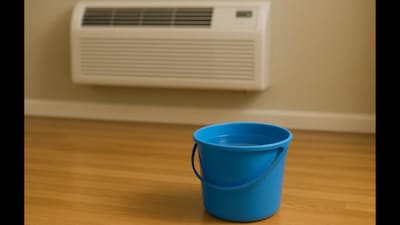
Water is not used directly to cool the air in most air conditioners. Instead, moisture removed from the air collects as condensation. This water usually drains away through a pipe.
| Step | Function |
|---|---|
| Warm air enters | Heat transfers to refrigerant in coils |
| Refrigerant absorbs heat | Changes from liquid to gas |
| Heat moves outside | Refrigerant cools and turns back to liquid |
| Condensation forms | Water drains out |
Water Usage In Different Ac Types
Traditional central air conditionersdo not use water directly. They remove heat from indoor air using a refrigerant. Water forms as condensation on coils, but it drains away and is not reused for cooling. This water is just a byproduct, not a fuel or coolant.
Evaporative coolersrely heavily on water. They cool air by evaporating water into the air. This process adds moisture and lowers the air temperature. They use a lot of water and work best in dry climates where humidity is low.
Portable and window unitsalso use refrigeration technology like central ACs. They produce some condensation that drains away. These units do not use water to cool the air but remove moisture as a side effect.
Evaporative Cooling And Water Consumption
Evaporative coolers use waterto cool air. They work by passing warm air through wet pads. The water in the pads evaporates, which cools the air. This cool air is then blown into the room. These coolers use water continuously while running.
Evaporative coolers use less energy than traditional air conditioners. They are eco-friendlybecause they add moisture to dry air. But they work best in dry climates. In humid areas, they are less effective. They also need regular refilling of water and pad cleaning to work well.
Condensation In Air Conditioners
Air conditioners cool the air by removing heat and moisture. This process creates condensation, which is water that forms on the cold parts inside the unit.
The formation of condensatehappens as warm air touches the cold evaporator coil. The moisture in the air turns into water droplets, just like dew on grass.
To keep the AC working well, this water must be removed. It drains through a special pipeor tube. The water then goes outside or into a drain.
- Condensate forms inside the AC unit.
- Water collects on cold coils.
- Drain pipes carry water away.
- Proper drainage stops leaks and damage.
Myths About Ac Water Usage
Many people think air conditioners use water to cool air. This is not true for most AC types. Air conditioners work by moving heat from inside to outside using a refrigerant, not water.
Some believe AC units add moisture to the air. Actually, they remove moisture, making rooms less humid. The water you see around ACs is condensation, not water usage.
Evaporative coolers, sometimes called swamp coolers, do use water. But these are different from regular air conditioners.
| Myth | Fact |
|---|---|
| AC uses water to cool air | Uses refrigerant; no water needed |
| AC adds moisture to room | Removes moisture and creates condensation |
| All cooling systems use water | Only evaporative coolers use water |
Credit: www.housedigest.com
Environmental Impact Of Water In Acs
Air conditioners use water in some types, like evaporative coolers. This water use raises concerns about water efficiency, especially in dry areas. These ACs need constant water to cool the air, which can increase water use.
Traditional ACs mostly use refrigerants, not water, so their water impact is low. Still, water loss from cooling towers in large systems can be significant. Careful management is needed to avoid wasting water.
Sustainable cooling optionsinclude:
- Using air conditioners with water-saving technology.
- Installing solar-powered ACsto reduce energy use.
- Choosing evaporative coolersonly where water is abundant.
- Improving building insulationto reduce cooling needs.
These choices help lower water use and reduce environmental impact.

Credit: northnjhvac.com
Frequently Asked Questions
Do Air Conditioners Need Water To Operate?
Most air conditioners do not need water. They primarily use refrigerants to cool air. However, some portable or evaporative coolers use water to cool the air. These systems evaporate water to reduce the air temperature. Traditional air conditioners rely on refrigerant cycles rather than water to provide cooling.
How Do Air Conditioners Work Without Water?
Air conditioners work by using refrigerants to absorb heat from the indoor air. The refrigerant circulates through coils, absorbing heat and releasing it outside. Fans blow the cooled air back indoors. This process efficiently cools air without needing water, making air conditioners effective for various climates.
What Is An Evaporative Cooler?
An evaporative cooler, also known as a swamp cooler, uses water to cool air. It draws warm air through moistened pads, where the air is cooled by evaporation. This method is energy-efficient and works well in dry climates. Unlike traditional air conditioners, evaporative coolers need a continuous water supply.
Do Portable Air Conditioners Use Water?
Some portable air conditioners use water to enhance cooling efficiency. They may have a water reservoir to add moisture and cool air more effectively. However, not all portable units require water. It’s important to check the specifications of your model to understand its water requirements.
Conclusion
Air conditioners do not use water to cool the air directly. They work by moving heat from inside to outside. Some types, like evaporative coolers, do use water but are different from regular ACs. Knowing this helps you understand how your AC works.
It also helps you choose the right cooling system. Keep your AC clean and maintained for best performance. This way, you stay cool without wasting water. Simple facts, clear answers. That’s how air conditioners keep you comfortable.