
Are you thinking about getting an all in one washer dryer but aren’t sure if it will really work for you? You’re not alone.
Many people wonder if these machines can truly handle both washing and drying without compromising on performance. Imagine saving space, time, and effort with just one appliance—sounds great, right? But does it deliver on that promise? You’ll discover how all in one washer dryers perform, what to expect, and whether they’re the right fit for your home.
Keep reading to find out if this convenient solution can meet your laundry needs.
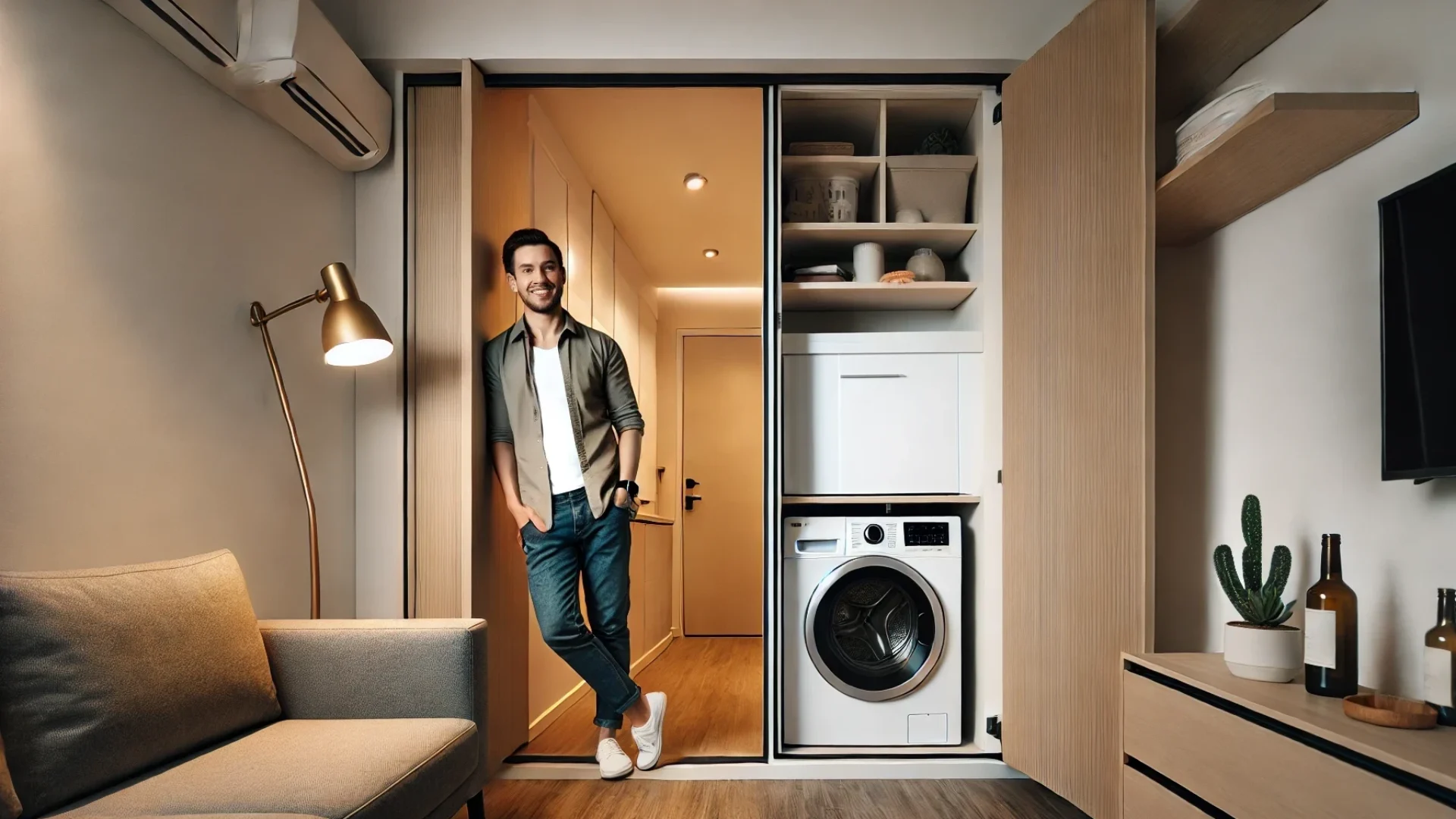
Credit: www.searshomeservices.com
How All In One Washer Dryers Work
All in one washer dryers combine washing and drying in one machine. They save space and time by doing both jobs.
These machines use special systems to wash clothes and then dry them without moving the load.
Basic Mechanism
The machine fills with water to wash clothes using soap and spinning action. It then drains the water after washing.
After washing, the drying cycle starts by spinning clothes fast or using heat to remove moisture.
- Water fills the drum to clean clothes
- Drum spins to remove dirt and soap
- Water drains out after washing
- Drying uses heat or spinning to dry clothes
Types Of Washer Dryers
There are mainly two types of all in one washer dryers. Each type uses a different drying method.
- Vented Washer Dryers: Use air to dry clothes and vent moisture outside
- Condenser Washer Dryers: Collect moisture inside a container or drain it away
Some machines combine both methods for better drying and energy use.
Key Features
All in one washer dryers have features that make washing and drying easy and efficient.
- Multiple wash and dry cycles for different fabrics
- Energy-efficient motors to save power
- Automatic sensors to detect moisture levels
- Compact design to fit small spaces
- Easy-to-use controls and displays
Efficiency Factors
All in one washer dryers combine washing and drying in one machine. Their efficiency depends on several factors.
Understanding these factors helps you choose the right model and save resources.
Energy Consumption
Energy use varies by machine size and drying method. Heat pump dryers use less power than traditional ones.
Using eco modes can lower electricity bills and reduce environmental impact.
- Heat pump dryers save more energy
- Eco modes reduce power usage
- Smaller loads use less electricity
Water Usage
All in one machines usually use less water than separate washers and dryers. Some models recycle water during cycles.
Choosing efficient cycles reduces water waste and protects the environment.
- Efficient cycles use less water
- Water recycling saves resources
- Load size affects water use
Cycle Times
Cycle length depends on the program and load size. Wash and dry cycles combined take longer than washing alone.
Shorter cycles save time but may use more energy or water. Choose cycles based on your needs.
- Longer cycles save energy and water
- Short cycles are faster but less efficient
- Load size affects cycle duration
Pros And Cons
All in one washer dryers combine washing and drying in one machine. They save space and offer convenience. Many people wonder if they work well for daily use.
This article looks at the advantages and limitations of these machines. It also explains common issues users face.
Advantages
All in one washer dryers save space by combining two appliances. They are great for small homes or apartments with limited room.
These machines offer convenience by washing and drying clothes in one cycle. You do not need to move clothes between machines.
- Saves floor space
- Combines wash and dry functions
- Reduces time spent transferring clothes
- Good for small living spaces
Limitations
All in one washer dryers usually take longer to complete a full wash and dry cycle. This can be inconvenient for busy users.
The drying capacity is often smaller than the washing capacity. This means you may need to dry clothes in smaller loads.
- Longer cycle times
- Smaller drying capacity
- May use more water and energy
- Higher upfront cost than separate machines
Common Issues
Some users report that the drying function does not always dry clothes completely. This can require extra drying time.
Maintenance can be harder because of the combined parts. Repair costs may be higher if one function breaks.
- Incomplete drying in some cycles
- Longer repair times
- Higher maintenance costs
- Possible buildup of lint and moisture
Performance Comparison
All in one washer dryers combine washing and drying in one machine. Many people wonder if they work as well as separate units. This section compares their performance in different areas.
Washer Dryer Vs Separate Units
Separate washers and dryers usually perform better for each task. Washers focus on cleaning clothes well. Dryers are designed to dry clothes quickly and thoroughly.
All in one machines save space but may not match the power of two separate units. Their cycles often take longer to finish both washing and drying.
Effectiveness Of Drying
Drying in all in one machines can be less effective. They usually use condenser drying, which takes more time. Clothes may still feel damp after a cycle.
Separate dryers use vented or heat pump technology. These methods dry clothes faster and more thoroughly.
- All in one machines may need extra drying time
- Separate dryers generally dry clothes fully in one cycle
- Overloading all in one units lowers drying quality
Space And Convenience
All in one washer dryers save space by combining two machines. This is good for small homes or apartments. You only need one water and power connection.
Separate units need more room and two hookups. They allow you to wash and dry at the same time. This can save time on laundry days.
- All in one units fit in tight spaces
- Separate units need more floor space
- Separate units let you do laundry faster by multitasking
Tips For Optimal Use
All in one washer dryers save space by combining washing and drying. Using them well helps clothes last longer.
Following simple tips can make your washer dryer work better and last longer. Here are key points to remember.
Loading Tips
Do not overload the machine. Clothes need space to move for cleaning and drying.
Separate heavy items from light fabrics to avoid uneven drying and washing.
- Check pockets for objects before loading
- Load similar fabric types together
- Distribute clothes evenly in the drum
- Fill the drum about three-quarters full
Maintenance Practices
Clean the lint filter after each drying cycle. A clogged filter reduces drying efficiency.
Run a cleaning cycle monthly to remove detergent and dirt buildup inside the machine.
- Use recommended detergent amounts
- Check hoses for leaks or cracks
- Keep the door open after use to prevent mold
- Inspect and clean detergent trays regularly
Choosing The Right Model
Look for a washer dryer with enough capacity for your household size. Too small means more loads.
Consider energy and water efficiency ratings to save on bills and protect the environment.
- Check spin speed for faster drying
- Look for easy-to-use controls and settings
- Read reviews about reliability and repairs
- Choose a model that fits your space
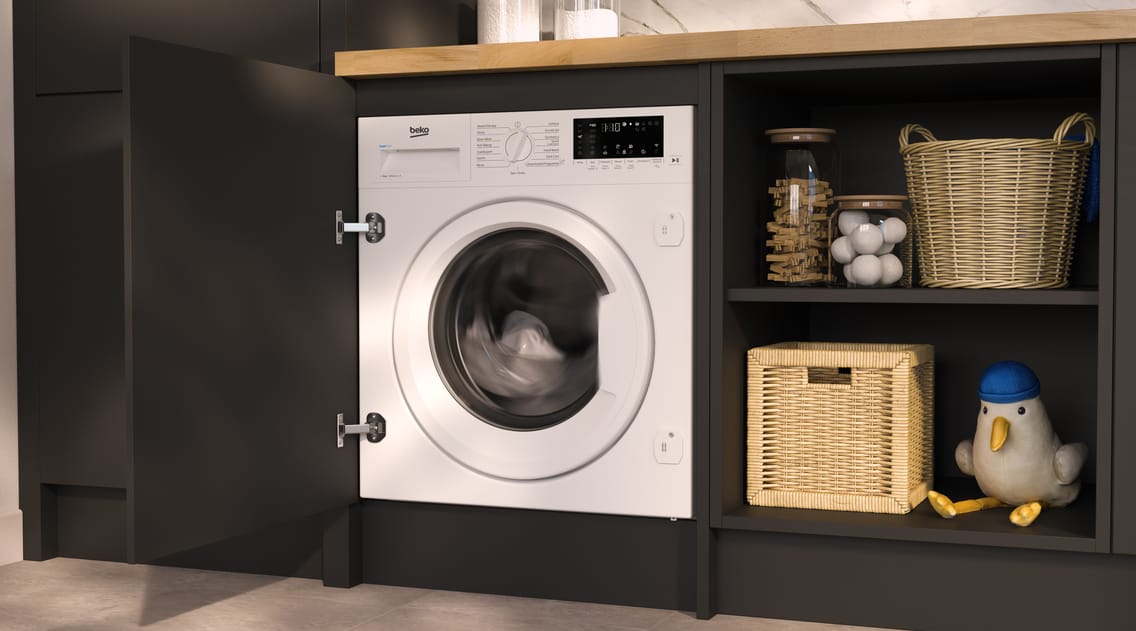
Credit: www.beko.co.uk
Cost And Value
Do all in one washer dryers save money? They combine washing and drying in one machine. Let’s explore their cost and value.
We will look at the initial investment, running costs, and long-term savings. These aspects help decide if they are worth buying.
Initial Investment
The initial cost of an all in one washer dryer can be high. Prices range from affordable to expensive, depending on features.
| Model Type | Price Range |
| Basic | $500 – $800 |
| Mid-Range | $800 – $1,200 |
| High-End | $1,200 and up |
Running Costs
Running costs include energy and water use. Efficiency varies by model. Here is what to consider:
- Energy efficiency rating
- Water usage per cycle
- Average electricity cost in your area
Long Term Savings
Long-term savings depend on usage and efficiency. These machines can save space and time, but do they save money?
Customer Feedback
All in one washer dryers are a popular choice for small homes. Users share their experiences to help others decide.
Let’s explore what customers like and dislike about these machines. We’ll also look at their overall satisfaction.
Common Praise
Many customers appreciate the space-saving design. These machines fit well in small apartments.
Users also enjoy the convenience of washing and drying in one cycle. This saves time and effort.
- Compact size fits in tight spaces
- Combines two functions into one
- Easy to use for daily laundry
Frequent Complaints
Some users report that drying takes longer than expected. This can be frustrating for those in a hurry.
Others mention that large loads do not dry evenly. This may require additional drying time.
- Longer drying times
- Uneven drying for big loads
- Higher energy consumption
User Satisfaction
Overall, many users are satisfied with their all in one washer dryers. They value the convenience and space efficiency.
However, some users feel improvements are needed in drying performance. They hope for better efficiency in future models.
| Aspect | Satisfaction Level |
| Space-saving | High |
| Convenience | High |
| Drying Performance | Moderate |

Credit: www.searshomeservices.com
Frequently Asked Questions
Do All In One Washer Dryers Save Space?
Yes, all in one washer dryers combine washing and drying in one unit. This design saves significant floor space, ideal for small homes or apartments.
Are All In One Washer Dryers Energy Efficient?
Many all in one washer dryers use less water and energy than separate machines. Look for Energy Star ratings to ensure efficiency.
Can All In One Washer Dryers Handle Large Loads?
Most all in one washer dryers have smaller capacity than separate units. They work best for small to medium loads, not large bulky items.
How Long Do All In One Washer Dryers Take To Dry?
Drying cycles in all in one units often take longer than standalone dryers. Expect drying times to range from 1 to 3 hours depending on the load.
Conclusion
All in one washer dryers save space and time. They clean and dry clothes in one cycle. Some models may take longer than separate machines. They work well for small loads and tight spaces. Noise and energy use vary by brand and model.
Choose based on your needs and budget. These machines offer convenience with some trade-offs. Think about your laundry habits before deciding. Overall, they fit well in many homes. Simple, useful, and compact — a good choice for many.