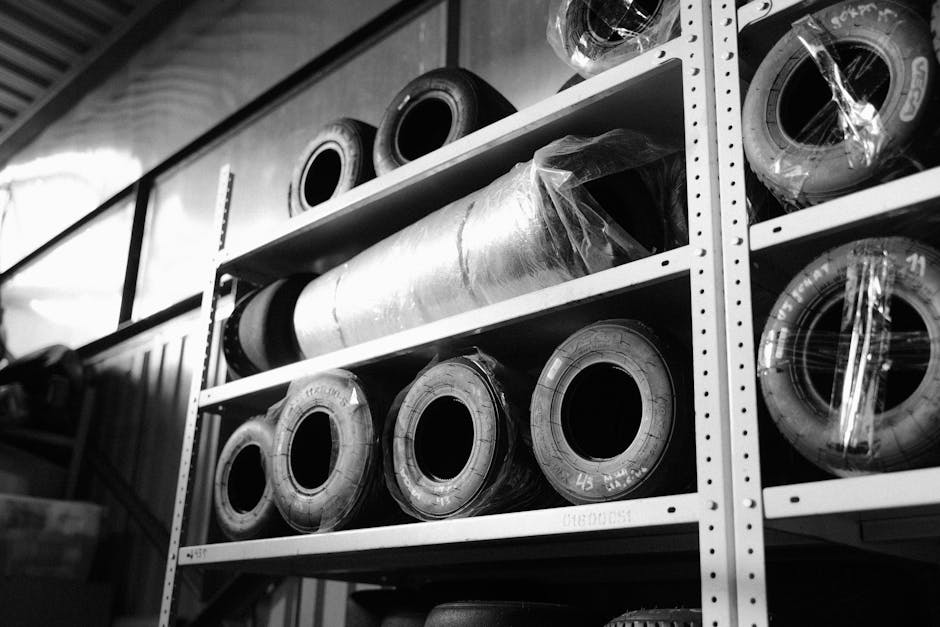
Have you ever wondered if every new car comes with a spare tire? When you buy a new vehicle, you expect it to have everything you might need on the road—including a spare tire for emergencies.
But the truth might surprise you. Knowing whether your new car has a spare tire can save you time, money, and stress when unexpected flat tires happen. Keep reading to find out what most new cars include, why some don’t come with a spare, and what you should do to stay prepared.
Your peace of mind on the road depends on it.
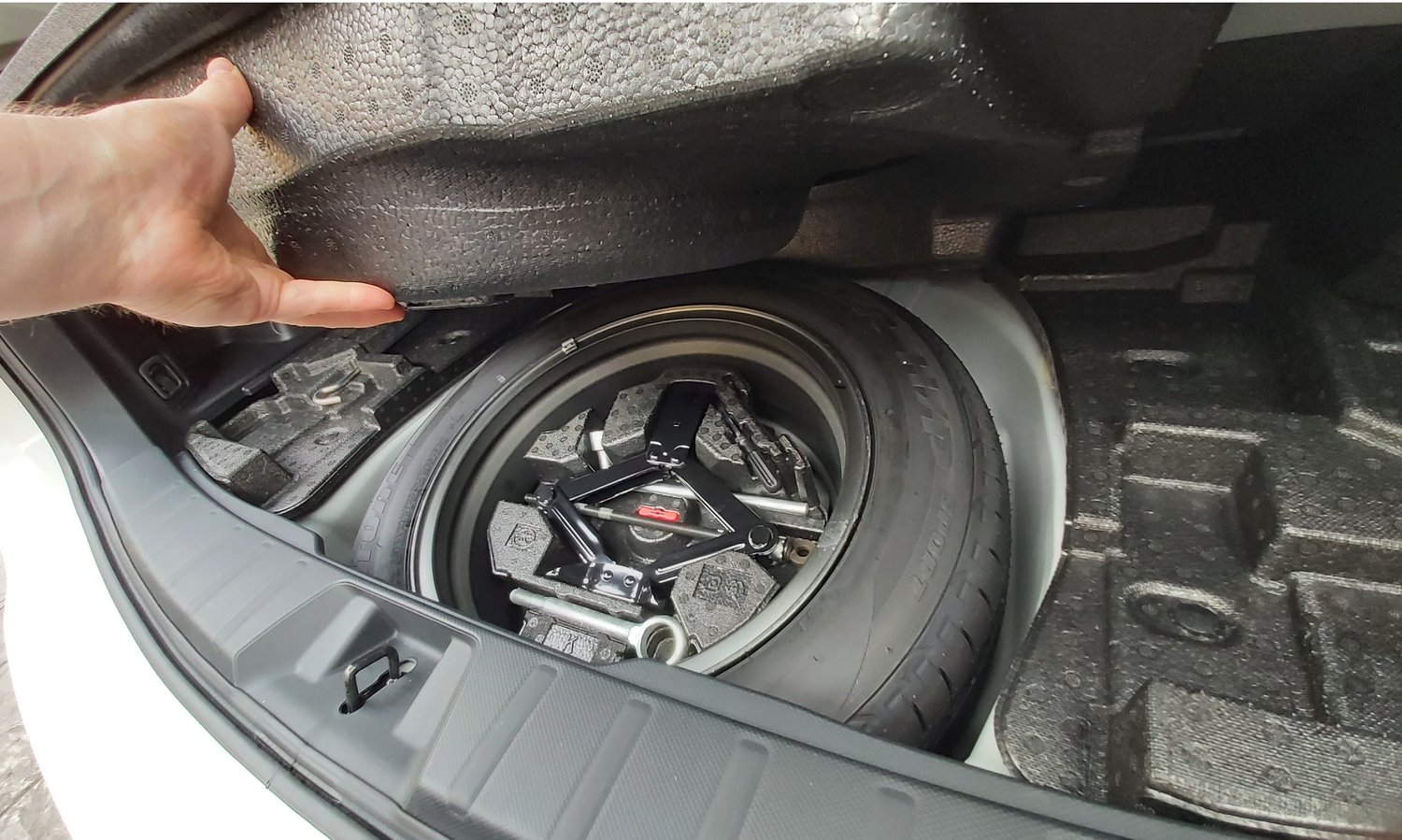
Credit: autoexpert.com.au
Spare Tire Trends In New Cars
Many new cars today do not come with full spare tires. Car makers change spare tire designs to save space and weight.
These changes affect what drivers find in the trunk. It is important to know the latest spare tire trends.
Shift From Full-size To Compact Spares
In the past, most cars had full-size spare tires. These spares matched the regular tires in size and type.
Now, many cars use compact spare tires. These spares are smaller and lighter to save trunk space and reduce weight.
- Compact spares take less room
- They weigh less, improving fuel efficiency
- They are meant for short-term use only
Rise Of Tire Repair Kits
Some new cars do not include any spare tire. Instead, they come with tire repair kits.
These kits have sealant and a small air compressor. Drivers can fix minor tire leaks without changing a tire.
- Lightweight and space-saving
- Works only for small punctures
- Needs replacement after use
Impact Of Electric Vehicles
Electric vehicles (EVs) often skip spare tires. They focus on saving weight to increase battery range.
Many EVs use tire repair kits or run-flat tires. Some models offer spares as optional equipment only.
- Less trunk space due to battery packs
- Weight reduction helps extend driving range
- Run-flat tires allow driving after a puncture
Reasons Behind Changes In Spare Tire Availability
Many new cars no longer come with a spare tire. This change surprises some drivers. Car makers have reasons for this shift.
Understanding these reasons helps drivers know what to expect. It also explains why spare tires are less common today.
Weight Reduction For Fuel Efficiency
Car makers want to reduce the weight of vehicles. A lighter car uses less fuel. Removing the spare tire helps lower the car’s weight.
- Lighter cars save more fuel on long drives.
- Less weight means lower emissions from the engine.
- Improved fuel economy helps meet environmental rules.
Space Constraints In Modern Designs
Modern cars have less room inside. Designers use space for more features and comfort. Spare tires take up a lot of space in trunks.
| Design Aspect | Effect on Spare Tire |
| Smaller trunk size | Less room for spare tire |
| Extra storage compartments | Reduced space availability |
| Battery and electronics | More space needed under floor |
Cost Considerations For Manufacturers
Making cars cheaper is important for manufacturers. Spare tires add cost in parts and labor. Removing them lowers production expenses.
Cost benefits of no spare tire include:
- Saving money on tire and rim parts
- Reducing assembly time on the production line
- Lower shipping and storage costs for car parts
Alternatives To Traditional Spare Tires
Many new cars no longer come with a traditional spare tire. Car makers use other options to save space and weight. These alternatives help drivers deal with flat tires.
Below are some common alternatives. Each one works in a different way to keep you moving after a tire problem.
Run-flat Tires
Run-flat tires let you drive a short distance after a puncture. They have stronger sidewalls to support the car without air. This helps you reach a repair shop safely.
Tire Sealants And Inflators
Tire sealants are liquids that plug small holes in tires. Inflators add air to keep the tire firm. These products are easy to use and can get you back on the road quickly.
- Seal small punctures
- Work fast and simple
- Keep tires inflated temporarily
- Not a permanent fix
Roadside Assistance Services
Many drivers rely on roadside assistance for tire problems. These services send help to change your tire or tow your car. It is a convenient option if you do not want to carry a spare.
| Service | Description | Benefits |
| Tire Change | Help with replacing a flat tire | Fast and professional |
| Towing | Car towed to a repair shop | Safe if tire cannot be fixed |
| Fuel Delivery | Gasoline brought to your car | Useful if stranded |

Credit: www.reddit.com
How To Check Your Car’s Spare Tire Status
Not all new cars come with a spare tire. Some have space saver tires or no spare at all. It is important to check your car’s spare tire status to be ready for emergencies.
Knowing where to look and what to check can save you time and trouble. Here are some ways to verify your spare tire.
Inspecting The Trunk And Underbody
Most cars store the spare tire in the trunk or under the vehicle. Check these places carefully for a spare tire or tire kit.
- Open the trunk and lift the floor panel.
- Look for a full-size or space saver tire.
- Check under the rear of the car for a mounted spare.
- Inspect for a tire inflator kit if no spare is visible.
Consulting The Owner’s Manual
The owner’s manual gives exact information about your car’s spare tire. It shows the location and type of spare tire provided.
| Spare Tire Type | Location | Special Notes |
| Full-Size | Trunk or undercarriage | Same size as regular tires |
| Space Saver | Trunk | Smaller and lighter than full-size |
| Tire Repair Kit | Trunk compartment | Temporary fix, no actual tire |
Asking The Dealer Before Purchase
Ask the dealer about the spare tire before you buy a new car. They can confirm if the car has one and what type it is.
- Request information on the spare tire location.
- Ask if the car includes a tire inflator kit instead.
- Inquire about buying a spare tire separately.
Preparing For Tire Emergencies Without A Spare
Not all new cars come with a spare tire. Some have tire repair kits or no backup at all. This can make tire problems harder to fix on the road.
It is important to get ready for tire emergencies. You can still handle flat tires safely without a spare tire in your car.
Keeping A Tire Repair Kit Handy
A tire repair kit helps fix small punctures quickly. Kits usually include sealant and an air compressor. They are compact and easy to store in your car.
Using a repair kit can get you back on the road fast. It is a good backup if you do not have a spare tire.
- Sealant to plug small holes
- Mini air compressor or pump
- Instructions for safe use
Using Mobile Apps For Assistance
Mobile apps can help during tire troubles. They can find nearby repair shops or roadside help. Some apps even guide you through fixing a tire.
Having a phone with these apps can save time and reduce stress. Make sure your phone is charged before driving long distances.
- Locate nearby tire repair services
- Request roadside assistance quickly
- Access step-by-step tire fix guides
Planning Regular Tire Maintenance
Regular tire checks can prevent emergencies. Check tire pressure and tread depth often. Replace worn tires before they cause problems.
Good tire care helps keep your car safe. It also lowers the chance of sudden flats on the road.
- Check tire pressure monthly
- Inspect tires for cracks or damage
- Rotate tires every 5,000 to 8,000 miles
- Replace tires that are too worn

Credit: www.carsales.com.au
Frequently Asked Questions
Do All New Cars Include A Spare Tire?
Not all new cars come with a spare tire. Many manufacturers now offer tire repair kits instead. This trend helps reduce vehicle weight and improve fuel efficiency. However, some models still provide full-size or compact spares as standard or optional equipment.
Why Are Some New Cars Missing Spare Tires?
Spare tires add extra weight and take up space. Car makers replace them with tire inflators or repair kits. This change helps improve fuel economy and design efficiency. It also reflects advances in tire technology and roadside assistance availability.
What Alternatives Exist To Spare Tires In New Cars?
Common alternatives include tire sealant kits and inflator compressors. These tools allow temporary tire repair on the spot. Some vehicles also come with run-flat tires that work after a puncture. Roadside assistance coverage further supports drivers without spare tires.
Should I Buy A Spare Tire For My New Car?
If your new car lacks a spare, consider purchasing one. A spare tire or repair kit provides peace of mind during emergencies. Evaluate your driving habits and local roadside assistance availability before deciding. Having a backup plan is always wise.
Conclusion
Not all new cars come with a spare tire. Many manufacturers choose to save space and weight. Some include tire repair kits instead. Knowing your car’s setup helps avoid surprises. Always check your vehicle before a long trip. Carrying a spare or repair kit adds safety.
Small steps like this keep you prepared. Stay informed and drive with confidence.