Have you ever wondered if every new car on the market comes with a backup camera? Whether you’re buying your first car or upgrading your ride, knowing the answer can save you time, money, and even protect your safety.
Backup cameras are more than just a cool feature—they can help you avoid accidents and make parking easier. But does the law require all new cars to have them? Keep reading, and you’ll discover what you need to know before your next car purchase.

Credit: www.familyhandyman.com
Backup Camera Requirements
Backup cameras have become a common feature in new cars. They help drivers see behind the vehicle while reversing. This safety tool reduces accidents and improves visibility.
Many people ask if all new cars must have backup cameras. The answer lies in federal laws and rules that guide car makers.
Federal Regulations
The U.S. government set rules to make backup cameras standard in cars. These rules come from the National Highway Traffic Safety Administration (NHTSA). They aim to lower crashes caused by blind spots.
- Backup cameras must show a clear view behind the vehicle.
- The camera display must turn on automatically when the car shifts to reverse.
- Car makers must meet these safety standards for all new vehicles.
Implementation Timeline
The law started affecting car makers in stages. It gave time for changes in design and production.
| Year | Requirement |
| 2018 | Backup cameras required on all new cars and small trucks |
| 2019 | All new medium and heavy trucks must have backup cameras |
| 2020 | Full compliance expected from all vehicle types |
Scope Of The Mandate
The rule covers most passenger vehicles. It applies to cars, SUVs, and light trucks. Some vehicles like buses and trailers have different rules.
The mandate includes:
- Passenger cars
- Multipurpose passenger vehicles
- Trucks with a gross vehicle weight rating of 10,000 pounds or less
Vehicles outside these groups may follow other safety guidelines.
Benefits Of Backup Cameras
Backup cameras help drivers see behind their cars. They make parking and reversing safer.
Many new cars now include backup cameras to protect people and property.
Enhanced Safety
Backup cameras reduce blind spots behind a vehicle. Drivers can spot children, pets, and obstacles more easily.
This extra view helps avoid accidents in busy places like parking lots and driveways.
Reduced Accidents
Backup cameras lower the chance of crashes while reversing. They provide a clear view that mirrors cannot.
- Help drivers spot low objects or poles
- Reduce the risk of hitting pedestrians
- Prevent damage to other vehicles
Improved Driver Awareness
Backup cameras give real-time feedback about the car’s surroundings. Drivers can judge distances better.
This technology helps new and experienced drivers make safer decisions when backing up.
Exceptions And Special Cases
Backup cameras are required in many new cars. Some vehicles have exceptions to this rule. Special cases affect which cars must have these cameras.
This section explains vehicles exempt from the requirement, aftermarket installations, and international standards.
Vehicles Exempt From Requirement
Some vehicles do not need backup cameras by law. This includes certain types of vehicles that are less common or used differently.
- Vehicles made before the law took effect
- Heavy trucks and buses above a weight limit
- Specialty vehicles like farm equipment or construction machines
- Vehicles with limited rear visibility because of design
These exemptions help manufacturers and users with unique vehicle needs.
Aftermarket Installations
Backup cameras can be added to older cars after purchase. These are called aftermarket installations.
Drivers may choose to install cameras for safety even if the law does not require them. Many kits are easy to add and use.
- Plug-and-play camera kits
- Wireless camera systems
- Professional installation services
- Different camera styles and screen options
International Standards
Backup camera rules vary in different countries. Some places require them, and others do not.
International standards depend on local safety laws and vehicle designs. Automakers adjust cars to meet these rules.
- European countries have their own backup camera laws
- Asia and Australia may have different requirements
- Some countries follow U.S. rules for imported cars
- Safety regulations change over time worldwide
Credit: www.pocket-lint.com
Technology Behind Backup Cameras
Backup cameras help drivers see what is behind their cars. They make parking safer and reduce accidents. These cameras use different technologies to capture and show images clearly.
The technology includes types of cameras, display systems, and extra features. Each part works together to give a clear view behind the vehicle.
Types Of Cameras
Backup cameras come in several types. Each type fits different car models and needs. The main types include wired, wireless, and fisheye cameras.
- Wired cameras:Connect directly to the car’s display with cables. They provide steady image quality.
- Wireless cameras:Send video signals without cables. They are easier to install but can face interference.
- Fisheye cameras:Use wide lenses to show a larger area behind the car. This helps see more blind spots.
Display Systems
The display system shows the camera’s video inside the car. Most cars use built-in screens on the dashboard. Some use the rearview mirror as a screen.
Displays vary in size and quality. They can be LCD or LED screens. High-resolution screens show clear images even in bright light.
- Dashboard screens are the most common display.
- Rearview mirror displays save space.
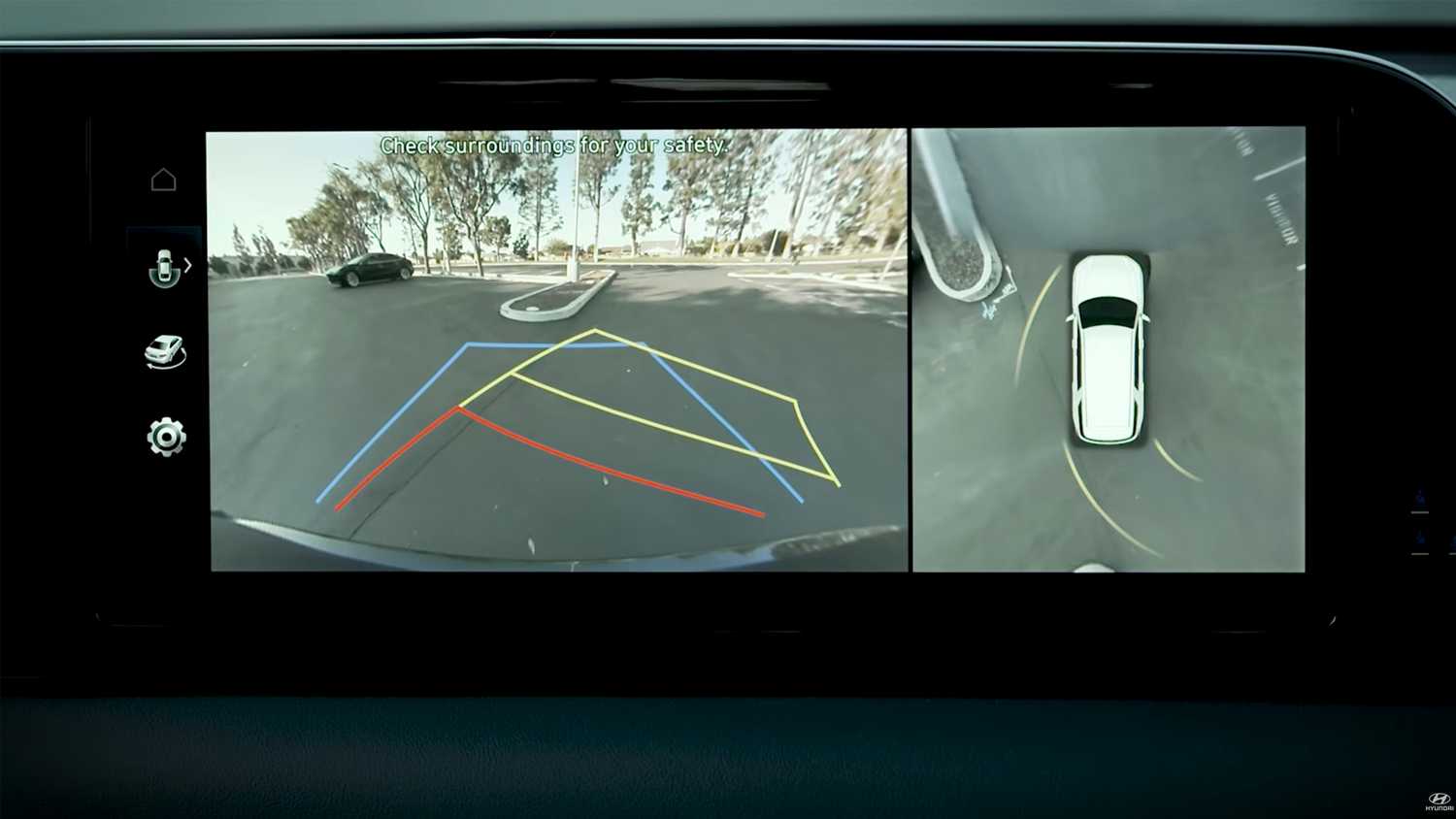
- Some cars allow split screens with other info.
Advanced Features
Modern backup cameras include helpful features. These make parking easier and safer. Common features are guidelines, night vision, and motion detection.
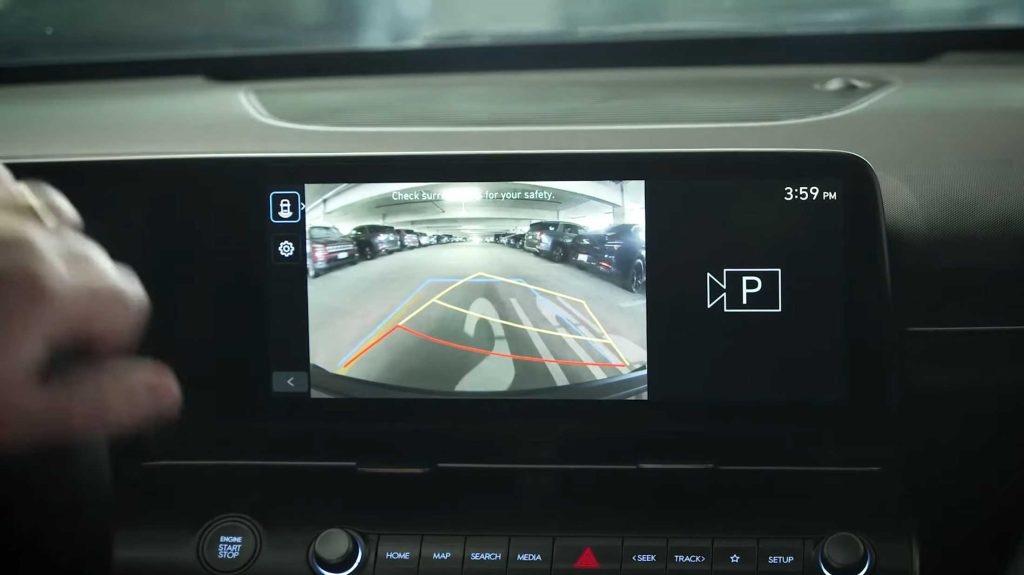
- Guidelines:Lines on the screen show the car’s path. They help drivers steer accurately.
- Night vision:Cameras use infrared to see in the dark. This improves safety at night.
- Motion detection:Alerts the driver if something moves behind the car.
Future Trends In Vehicle Safety
Backup cameras are now common in new cars. Safety technology keeps getting better. New features will help drivers stay safer.
Future trends focus on smarter systems and better sensors. Rules also change to improve protection for everyone on the road.
Integration With Autonomous Systems
Backup cameras work with self-driving technology. Cameras help cars see behind and around them. This makes parking and reversing safer.
Autonomous systems use many sensors, including cameras. They combine data to make smart driving choices. Backup cameras are part of this sensor network.
Enhanced Sensor Technologies
New cars use better sensors than before. Cameras have higher resolution to show clearer images. Some use night vision to see in the dark.
Sensors like radar and ultrasound work with cameras. They detect objects near the car. This helps prevent accidents when backing up.
- High-definition cameras improve visibility
- Night vision cameras help in low light
- Radar sensors detect obstacles nearby
- Ultrasound sensors warn about close objects
Regulatory Updates
Many countries require new cars to have backup cameras. These rules aim to reduce crashes while reversing. More safety laws are expected soon.
Regulations may include stronger standards for camera quality. They could also require links to other safety systems. This will raise safety for all road users.
- Backup cameras required in most new cars
- Higher image quality standards planned
- Safety system integration may become mandatory
- More laws to protect pedestrians and drivers

Credit: www.rosenautomotive.com
Frequently Asked Questions
Do All New Cars Come With Backup Cameras?
Yes, since May 2018, all new cars sold in the U. S. must have backup cameras. This is a federal safety requirement to reduce accidents while reversing.
Why Are Backup Cameras Mandatory In New Cars?
Backup cameras help drivers see blind spots behind the vehicle. They reduce collisions with pedestrians and objects, improving overall road safety.
Are Backup Cameras Required For Trucks And Suvs Too?
Yes, the federal mandate includes all passenger vehicles under 10,000 pounds. This covers cars, trucks, SUVs, and vans to ensure safety across vehicle types.
Can Backup Cameras Be Removed From New Cars?
No, removing backup cameras is not recommended. They are integrated safety features required by law and help prevent accidents during reversing.
Conclusion
Backup cameras are now common in most new cars. They improve safety on the road. Laws require them in many places. This trend ensures better visibility for drivers. Not all older models have them, though. New car buyers benefit from this feature.
It makes parking easier. And reduces accidents. Always check your car’s specifications. Ensure it meets your needs. Safety should be a priority when choosing a vehicle. Backup cameras are a valuable addition. They offer peace of mind. And they protect loved ones.
Consider them a smart investment for your new car.