Are you considering a portable air conditioner to cool down your space, but wondering if venting it outside is a must? You’re not alone.
Many people are curious about the ins and outs of portable AC units, especially when it comes to venting. Imagine the relief of a cool breeze on a hot day without the hassle of cumbersome installations. But the question remains: do all portable air conditioners really need to be vented outside?
Understanding this could be the key to unlocking a more comfortable and convenient cooling solution for your home or office. Stick around, because what you’ll discover might just change the way you cool your space.

Credit: damatajhiz.com
How Portable Air Conditioners Work
Portable air conditioners cool a room by removing heat and moisture from the air. They move warm air outside and blow cooler air inside.
Understanding their working helps to know if venting outside is necessary for all models.
Cooling Mechanism Explained
Portable air conditioners use a refrigeration cycle to cool air. Inside the unit, a compressor compresses refrigerant gas. This gas then releases heat as it changes to a liquid.
- The refrigerant absorbs heat from indoor air through an evaporator coil.
- The warm refrigerant gas moves to the compressor and condenser coils.
- Heat is expelled outside as the refrigerant turns back to liquid.
- Cooled air is blown back into the room.
Role Of Venting In Operation
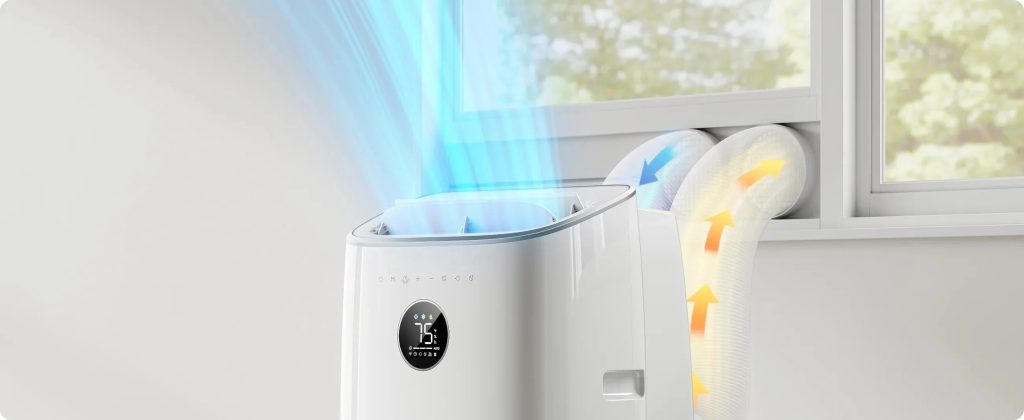
Venting is essential to remove the hot air generated during cooling. Most portable air conditioners come with an exhaust hose that must lead outside.
| Venting Type | Purpose | Is Outside Venting Required? |
| Single Hose | Expels hot air outside | Yes |
| Dual Hose | One hose pulls air in; the other expels hot air | Yes |
| Ventedless (Evaporative Coolers) | Uses water evaporation to cool air | No |
Types Of Portable Air Conditioners
Portable air conditioners come in different designs. Each type works in a unique way to cool your space.
Knowing the types helps you decide if venting outside is needed or not.
Single-hose Models
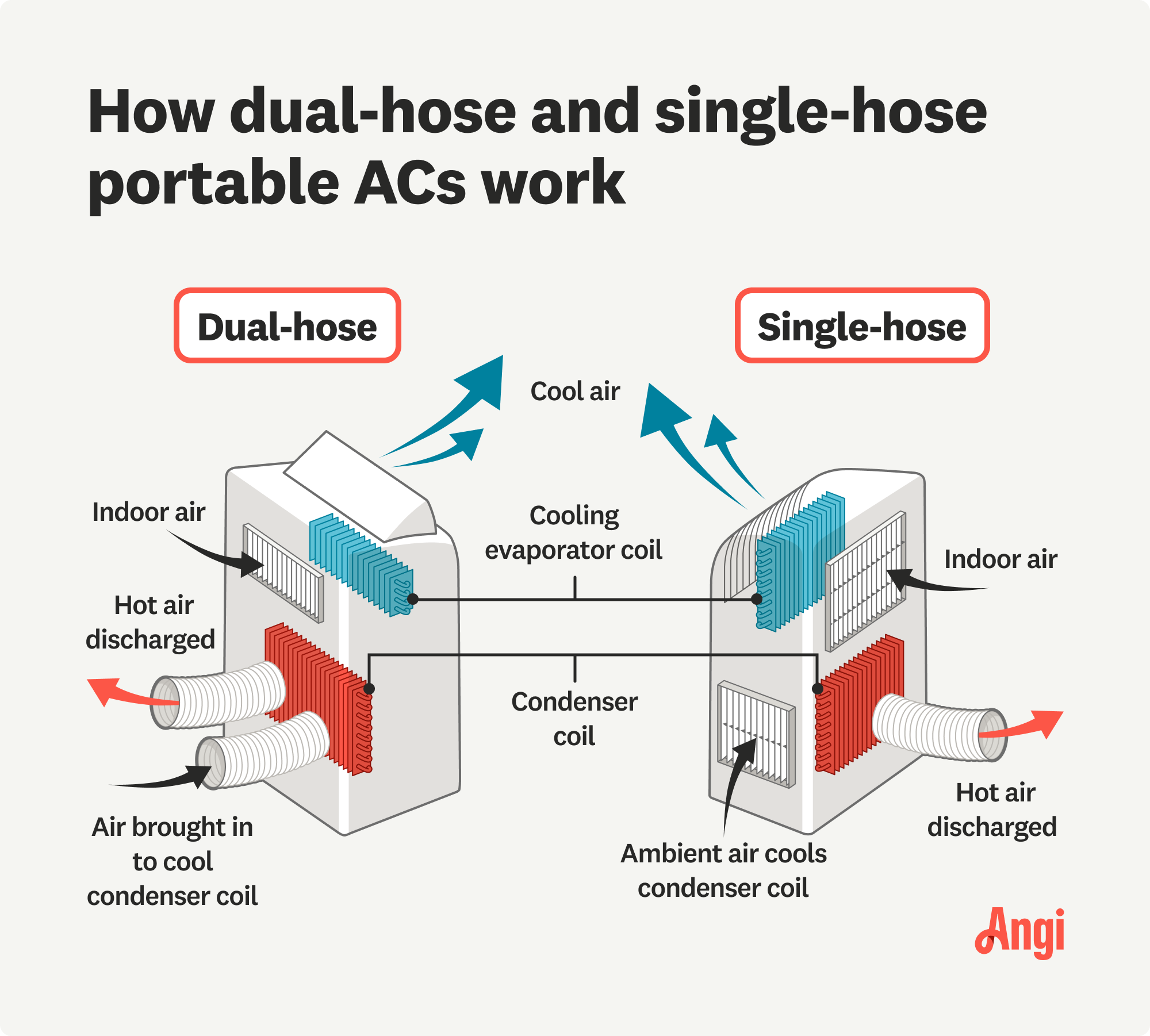
Single-hose portable air conditioners pull warm air from the room. They cool the air and push hot air outside through one hose.
These models need a window or vent to release hot air outside. This venting is essential for the unit to work well.
Dual-hose Models
Dual-hose models use two hoses. One brings fresh air from outside to cool the unit. The other pushes hot air out.
- They cool rooms faster than single-hose units.
- Require a window or vent for both hoses.
- More energy efficient than single-hose types.
Ventless Portable Coolers
Ventless portable coolers use water evaporation to lower air temperature. They do not use hoses or vents.
| Type | Venting Required | Best Use |
| Single-Hose | Yes | Small to medium rooms |
| Dual-Hose | Yes | Medium to large rooms |
| Ventless Coolers | No | Open spaces or dry climates |
Why Venting Outside Is Usually Required
Most portable air conditioners need to vent hot air outside. This helps keep your room cool.
Without venting, the heat stays inside, making the room warmer. Let’s see why venting is important.
Heat Exhaust And Air Circulation
Portable air conditioners pull heat from the room and release it outside. They use a hose to send hot air out.
This keeps the air inside cooler and more comfortable. Proper air flow helps the unit work well.
- Hot air must leave the room through the vent hose
- Air circulation prevents heat from building up inside
- Without venting, the air conditioner recirculates hot air
Preventing Indoor Heat Build-up
If the hot air is not vented outside, it stays inside the room. This causes the room to get warmer.
Venting stops heat from building up indoors. It helps the air conditioner cool the room better.
- Heat build-up reduces cooling efficiency
- Venting keeps indoor temperature stable
- Proper venting saves energy and improves comfort
Exceptions To Venting Rules
Most portable air conditioners need to vent hot air outside. This is usually done with a hose through a window. Some types do not need this venting. These exceptions work differently to cool your space.
Understanding these exceptions can help you choose the right cooling option. They save you the trouble of installing a vent.
Evaporative Coolers
Evaporative coolers use water to cool the air instead of refrigerants. They blow air through wet pads to lower the temperature. These coolers do not need to vent hot air outside.
They work best in dry climates where humidity is low. The water adds moisture to the air, which helps cool the room.
- Use water to cool air
- No need for vent hose
- Best in dry, hot areas
- Add moisture to the air
Self-evaporative Systems
Self-evaporative portable air conditioners remove hot air and water automatically. They use the heat from the air to evaporate the water inside. This process reduces the need for venting water out.
These systems still need to vent hot air outside. But they do not need a second hose for water drainage. This makes installation easier.
- Remove water by evaporation
- Only one hose for hot air venting
- No separate drainage hose needed
- Easier to set up than regular units
Consequences Of Improper Venting
Portable air conditioners need proper venting to work well. Without venting, hot air stays inside the room.
Improper venting causes problems that affect cooling, energy use, and the unit’s lifespan.
Reduced Cooling Efficiency
When hot air does not leave the room, the unit cools less effectively. The air conditioner must work harder to reach the desired temperature.
Increased Energy Consumption
Improper venting makes the air conditioner use more electricity. This happens because the machine runs longer and struggles to cool the space.
- Higher electricity bills
- More wear on the unit
- Greater environmental impact
Potential Damage To Unit
| Cause | Effect |
|---|---|
| Heat buildup inside unit | Overheating and malfunction |
| Excess moisture | Rust and electrical problems |
| Longer run times | Shorter lifespan |
Installation Tips For Venting Portable Acs
Most portable air conditioners need to be vented outside to work well. This helps remove hot air from your room. Proper venting keeps the room cool and saves energy.
Setting up your portable AC right is important. Follow these tips to vent your unit safely and efficiently.
Choosing The Right Window Kit
Window kits connect the portable AC hose to your window. Choose a kit that fits your window size and type. Most kits come with adjustable panels for different window widths.
Use a kit made for your AC model if possible. This ensures a tight fit and proper airflow.
- Measure your window before buying a kit
- Look for kits with adjustable panels
- Check if the kit works with your window type (sliding or sash)
Sealing And Insulation
Seal gaps around the window kit to stop hot air from coming back inside. Use weather stripping or foam tape to seal edges well. This helps the AC cool the room better.
Insulate the window area to keep outside heat out. This also reduces energy loss and noise.
- Apply foam tape around window kit edges
- Use weather stripping on window cracks
- Cover windows with insulating film if needed
Safe Hose Placement
Place the exhaust hose so it is not bent or crushed. A smooth hose helps hot air flow out easily. Avoid long hose runs to keep the AC efficient.
Keep the hose away from sharp edges and heat sources. Make sure it is stable and won’t fall out of the window.
- Keep hose straight or with gentle curves
- Use hose supports if needed
- Check hose for cracks or leaks regularly
Alternatives To Portable Air Conditioners
Portable air conditioners often need to be vented outside. This can be hard for some rooms. There are other ways to cool your space without using a portable unit.
Here are some good alternatives that might fit your needs better. Each one works differently and has its own benefits.
Window Units
Window air conditioners fit into a window frame. They blow hot air outside and cool air inside. These units do not take up floor space. They are easy to install in most windows.
- Do not require venting hoses like portable ACs
- Usually more energy-efficient than portable units
- Provide good cooling for single rooms
- May block part of the window view
Split Systems
Split systems have two parts: one inside and one outside. The outside unit removes heat, while the inside unit cools the air. These systems are quiet and save energy.
| Feature | Split System | Portable AC |
| Venting Needed | No | Yes |
| Noise Level | Low | Medium to High |
| Energy Efficiency | High | Lower |
| Installation | Professional | DIY |
Evaporative Coolers
Evaporative coolers use water to cool the air. They work best in dry climates. These coolers are simple and use less electricity. They do not need venting outside.
- Lower cost than many air conditioners
- Humidify dry air while cooling
- Less effective in humid areas
- Need regular water refills

Credit: www.angi.com
Energy Considerations And Cost
Portable air conditioners need energy to cool your space. Understanding how venting affects energy use helps you save money. Some models must vent air outside to work well.
Knowing the costs linked to venting and running these units will guide you to make smart choices. This article explains how venting impacts energy and compares running costs.
Impact Of Venting On Energy Use
Most portable air conditioners use a hose to vent hot air outside. This process helps keep the room cool. Without venting, the hot air stays inside, making the unit work harder.
- Vented units remove heat, improving cooling efficiency.
- Non-vented units recycle air, which raises room temperature.
- More energy is needed if hot air is not properly vented.
- Proper venting reduces the energy used to reach the desired temperature.
Running Costs Comparison
Running costs depend on energy use and efficiency. Vented portable AC units often cost less to run over time. Non-vented models may use more power because they cool less effectively.
| Type of Unit | Energy Use | Monthly Cost (approx.) |
|---|---|---|
| Vented Portable AC | Lower | $30 – $50 |
| Non-Vented Portable AC | Higher | $50 – $70 |
Credit: www.angi.com
Frequently Asked Questions
Do All Portable Air Conditioners Need External Venting?
Most portable ACs require venting outside to expel hot air. Without venting, cooling efficiency drops significantly. Some models offer water or evaporative cooling but are less common and less effective than vented units.
Can Portable Acs Work Without A Vent Hose?
Portable ACs without vent hoses typically function as air coolers, not true air conditioners. They circulate air and add moisture but don’t remove heat effectively. For actual cooling, venting is essential to release hot air outside.
What Happens If I Don’t Vent My Portable Ac Outside?
Without proper venting, heat accumulates indoors, reducing cooling efficiency. The unit may overheat or consume more energy. Venting ensures hot air exits, allowing the AC to cool your space effectively.
Are There Portable Acs Designed For No Venting?
Few portable ACs claim no venting is needed, using water evaporation or refrigeration tricks. These models cool less efficiently and work best in low-humidity areas. True portable ACs generally require venting for optimal performance.
Conclusion
Not all portable air conditioners need venting outside. Some models use water or other methods to cool air. Venting helps remove hot air and moisture from the room. Without venting, the unit may not cool well. Choosing the right type depends on your space and needs.
Always check the product details before buying. Proper venting keeps your room comfortable and cool. This small step makes a big difference in cooling efficiency.