Are you wondering if every portable air conditioner needs to be vented outside? It’s a common question that can save you time, money, and frustration.
If you’re trying to keep your space cool without complicated setups, knowing the truth about venting is key. You’ll discover what venting really means, why it matters, and if there are any options that don’t require an outdoor vent. Keep reading—your comfort might depend on it.

Credit: damatajhiz.com
How Portable Acs Work
Portable air conditioners use a simple cooling mechanism. They pull warm air from the room and cool it down. The cooled air is then blown back into the room. This makes the space feel cooler and more comfortable.
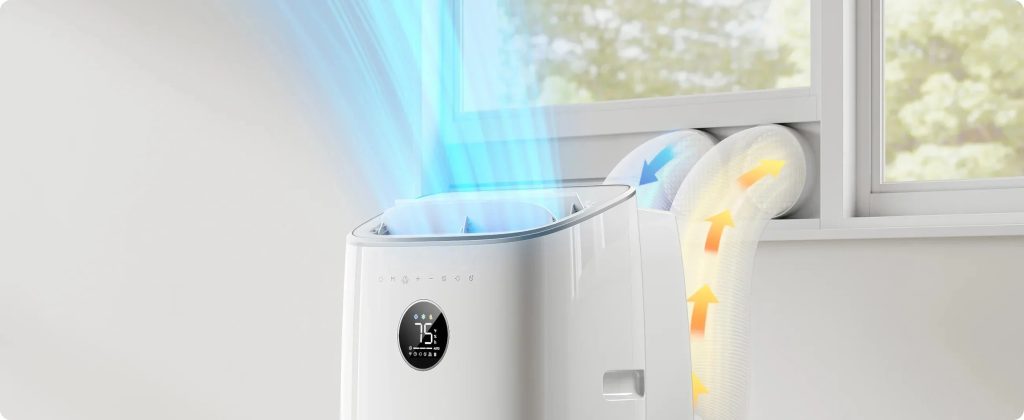
The heat exhaust processremoves hot air from the unit. The warm air is pushed outside through a vent hose. This vent hose must go out of a window or another opening. Without this, the hot air stays inside, making the room hotter.
Key points about portable AC venting:
- Hot air must be vented outside to cool the room.
- The vent hose usually connects to a window kit.
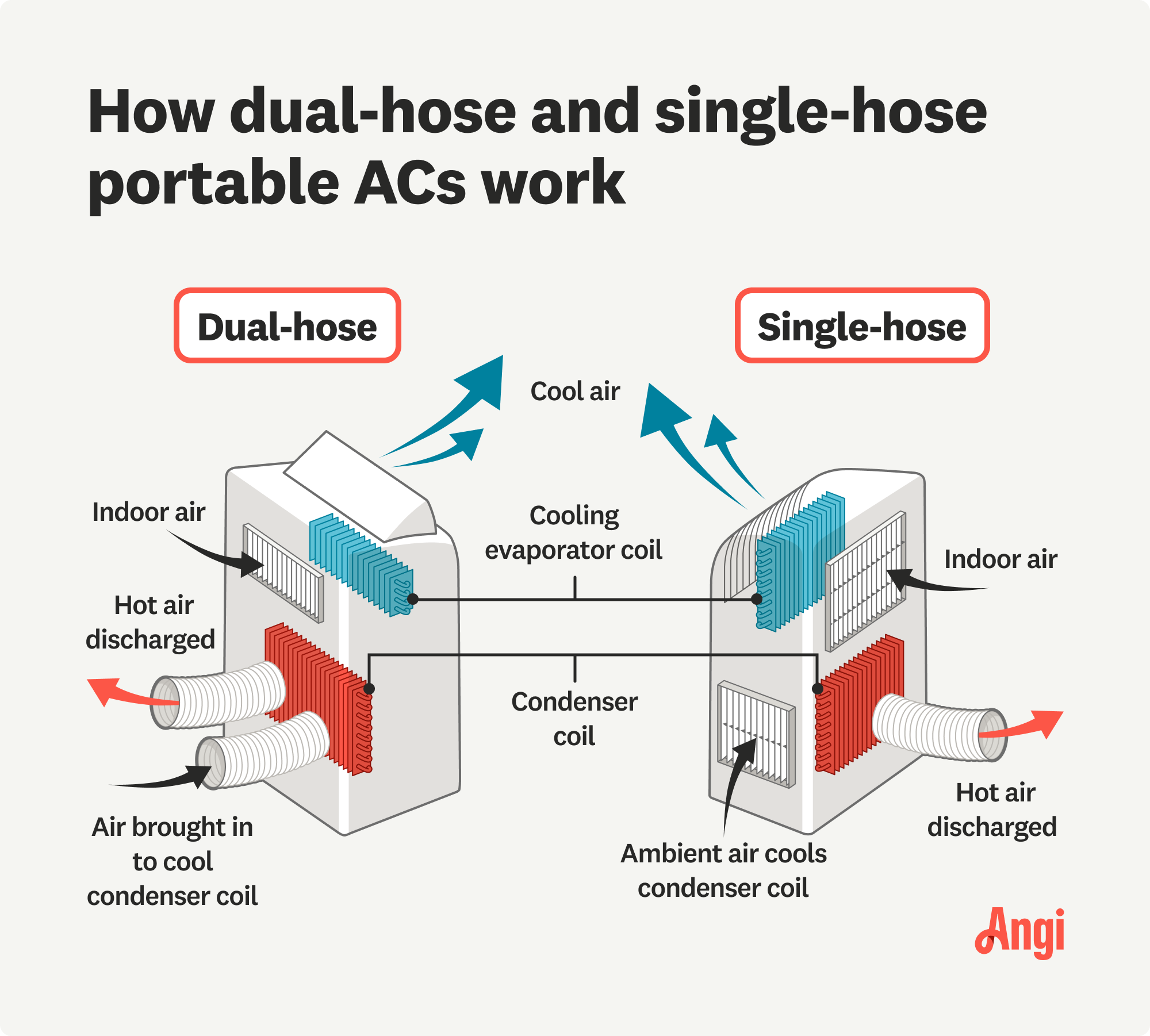
- Some units have two hoses: one for intake and one for exhaust.
- Without venting, the AC cannot cool effectively.
Credit: www.angi.com
Role Of Venting In Portable Acs
Ventingin portable air conditioners is important to remove hot air from the room. The AC cools the air but also creates heat inside. This heat needs to go outside to keep the room cool.
Without venting, the heat stays inside. This makes the room warmer, not cooler. The AC works harder and uses more energy. It may also stop cooling properly.
- Venting removes hot air outside
- Prevents heat build-up indoors
- Helps AC cool the room effectively
- Improves energy efficiency
- Reduces wear on the AC unit
Types Of Portable Air Conditioners
Single-hose unitspull hot air from the room and send it outside through a vent. This creates negative pressure inside. It can cause warm air to leak in from other rooms. These units are simpler and usually less costly.
Dual-hose unitsuse one hose to bring air from outside for cooling. The other hose sends hot air outside. This design avoids negative pressure and cools rooms faster. They work well in larger spaces.
Ventless evaporative coolersdo not need vents outside. They cool air by adding moisture. These units work best in dry climates. They use less electricity but may not cool as much as vented units.
Ventless Portable Ac Options
Ventless portable air conditionersdo not need a window or vent hose. They cool air using evaporationor by circulating air through water or ice. These models are easy to move and set up anywhere.
Unlike regular portable ACs, ventless units do not remove hot air. Instead, they cool the air by adding moisture. This makes them best for small spaces or dry climates.
Key differences include:
- No need for external ventingor hoses
- Lower cooling powercompared to vented units
- Increase humidityin the room
- Usually more energy-efficientbut less effective in hot weather
Limitations of ventless models:
- Not suitable for large or very hot rooms
- May raise indoor humidity, causing discomfort
- Less effective at lowering temperaturethan vented units
Installation Tips For Venting
Most portable air conditioners need to be vented outside. This helps remove hot air and moisture from your room. The window ventingkit is the easiest and most common way to do this. It usually includes a flexible hoseand a window panelthat fits into your window frame.
Window venting solutions offer a simple setup. The hose connects the air conditioner to the window panel. The panel blocks the open window space, keeping hot air outside. This method keeps your room cool and dry.
- Seal gaps with weather stripping for better efficiency.
- Use adjustable panels to fit different window sizes.
- Ensure the hose is not bent or crushed for proper airflow.
Alternative venting methods exist but need more care. Some use a wall ventor a drop ceiling vent. These require cutting a hole in the wall or ceiling. This may need professional help. Always check local rules before making changes.
Energy Efficiency And Venting
Portable air conditionersusually need to be vented outside. This vent removes hot air from the room. Without venting, the hot air stays inside. This lowers the cooling efficiency. The unit works harder to cool the space. It uses more energy and costs more money.
Some models use dual hoses. One hose brings air in, and the other sends hot air out. These are more efficient than single hose units. Less hot air leaks back inside. This helps cool the room faster and saves energy.
| Type | Cooling Efficiency | Cost Implications |
|---|---|---|
| Single Hose | Lower, hot air may enter room | Higher energy bills due to longer run time |
| Dual Hose | Better, separates intake and exhaust air | More upfront cost but saves energy over time |
| Non-vented | Least efficient, no hot air removed | High energy use, less effective cooling |
Common Misconceptions About Venting
Many people think all portable air conditioners must vent outside. This is not always true. Some models use special technology that does not need outdoor venting. These units cool the air differently, often using water or ice.
Still, most portable air conditioners need to push hot air out. This keeps the room cool and stops heat from building up. Venting usually happens through a window or a small hole in the wall.
Good venting helps the air conditioner work well and saves energy. Without proper venting, the unit may get hot and less effective. It can also raise electricity bills.
- Check the air conditioner’s manual for venting needs.
- Use the right vent hose size for better airflow.
- Seal gaps around the vent to stop warm air from entering.
- Keep the vent hose straight and short to improve cooling.
- Clean the filter regularly for better air quality and efficiency.

Credit: www.angi.com
Frequently Asked Questions
Do All Portable Air Conditioners Need Venting Outside?
Most portable air conditioners require venting outside to expel hot air. Without venting, they can’t cool effectively. Some models use water or dehumidification but still need proper airflow for best results.
Can Portable Ac Units Work Without An Exhaust Hose?
Portable ACs usually need an exhaust hose for hot air removal. Without it, heat builds up, reducing cooling efficiency. Some units offer dual-hose systems for better performance but still need venting outside.
Are There Portable Acs That Don’t Require Outdoor Venting?
Yes, some portable ACs use evaporative or water cooling technology and don’t need outdoor venting. However, these models work best in dry climates and may not cool as effectively as vented units.
How Does Venting Affect Portable Ac Performance?
Proper venting removes hot air from the room, enabling efficient cooling. Without venting, heat recirculates, making the AC less effective. Good venting improves energy efficiency and comfort.
Conclusion
Choosing the right portable air conditioner matters. Some need venting outside. Others don’t. Consider your space and needs. Venting models remove warm air effectively. Non-venting units work in specific conditions. Think about room size and ventilation options. Make sure to check the model features.
Decide based on your comfort and convenience. Always read product descriptions carefully. This ensures the best choice for your home. Portable air conditioners vary in design. Understanding their differences helps in decision-making. Stay cool and comfortable. Happy cooling!