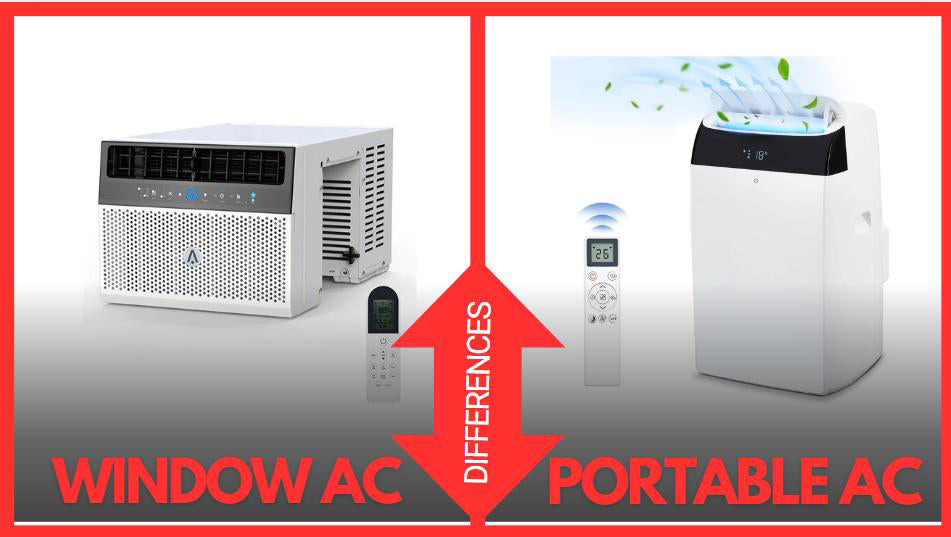
Are you thinking about getting a portable air conditioner but unsure if you need a window for it? You’re not alone.
Many people wonder if these cool machines can work without a window or if they’re stuck finding the perfect spot near one. The answer might surprise you—and it could make a big difference in where and how you use your portable AC.
Keep reading to discover what you really need to know before making your purchase.

Credit: www.cnet.com
Types Of Portable Air Conditioners
Portable air conditioners come in different types. Each type works in a unique way to cool a room.
Some portable ACs need a window for venting hot air. Others do not require a window at all.
Single Hose Units
Single hose portable air conditioners use one hose to push hot air outside. They need a window or vent to release the hot air.
These units pull air from the room to cool and then push warm air out through the hose. This can cause negative pressure, pulling warm air into the room.
- Require window or vent for hose
- Push hot air outside through one hose
- May reduce room air pressure
Dual Hose Units
Dual hose portable ACs have two hoses. One hose pulls air from outside to cool the unit.
The other hose pushes hot air outside. This design avoids negative pressure inside the room.
- Need two hoses connected to window or vent
- One hose pulls outside air in
- One hose pushes hot air out
- Better cooling efficiency than single hose units
Ventless Portable Acs
Ventless portable air conditioners do not need a window or vent hose. They use water evaporation to cool the air.
These units work best in dry climates. They add moisture to the air and cool by evaporation, not by removing heat.
- No hose or window needed
- Use water or ice to cool air
- Increase humidity in the room
- Best for dry environments

Credit: sunjoyshop.com
Role Of Windows In Portable Ac Setup
Portable air conditioners need a way to remove hot air from a room. Windows play a key role in this process.
This article explains why venting is necessary and the common ways to vent portable AC units using windows.
Why Venting Is Necessary
Portable ACs cool a room by pulling warm air inside and pushing hot air outside. Without venting, hot air stays inside and raises the room temperature.
Venting removes hot air and moisture from the room. It also prevents the AC from overheating and keeps it running efficiently.
Common Venting Options
Most portable ACs use a flexible exhaust hose to vent hot air outside. Windows are the easiest exit points for this hose.
- Sliding windows with a vent kit
- Double-hung windows with a window slider panel
- Casement windows with adjustable vent panels
- Through-the-wall venting (less common)
Window vent kits usually come with the AC unit. They fill the open space and hold the hose in place.
| Venting Method | Window Type | Ease of Installation |
| Sliding Window Vent Kit | Sliding | Easy |
| Window Slider Panel | Double-Hung | Moderate |
| Adjustable Vent Panel | Casement | Moderate |
| Through-the-Wall Vent | Any | Difficult |
Alternatives To Window Venting
Many portable air conditioners need a window for venting hot air. Some homes or rooms do not have suitable windows. There are other ways to vent or cool without using a window.
This guide covers options like through-the-wall vent kits, sliding door adaptations, and ventless cooling solutions. These alternatives help you use portable AC units in various spaces.
Through-the-wall Vent Kits
Through-the-wall vent kits let you vent hot air directly outside through a wall. This option works if you have an exterior wall nearby. It requires cutting a hole in the wall for the vent.
This method keeps your window free and provides a strong vent path. It also reduces noise and heat inside the room better than window venting.
- Needs a hole cut in the wall
- Works with most portable ACs
- Can be sealed to avoid drafts
- Requires some DIY or professional help
Sliding Door Adaptations
Sliding doors can be used as a venting spot. You can buy vent kits made to fit in the door gap. The kit holds the exhaust hose and seals the door to keep air outside.
This option works well for homes with large sliding glass doors. It is easier to install than wall vents and does not need permanent changes.
- Fits in sliding door gaps
- Easy to install and remove
- Good for renters or temporary use
- Seals door to keep air out
Ventless Cooling Solutions
Some portable air conditioners do not need venting. They use water or ice to cool the air. These are called ventless or evaporative coolers.
Ventless coolers work best in dry climates. They add moisture to the air and do not remove heat like vented ACs. They are quieter and simpler to use.
- Do not require window or wall venting
- Use water evaporation to cool air
- Best in dry, hot areas
- Do not lower room temperature as much as vented units
Installation Considerations
Installing a portable air conditioner requires careful planning. You need to check your window or vent space before starting.
Proper installation ensures the unit works well and lasts longer. Let’s look at key points to consider for a smooth setup.
Measuring Window Or Vent Space
Measure the window or vent space where you plan to install the air conditioner. Make sure the unit fits well without gaps.
- Measure the width and height of the window opening.
- Check the depth of the sill or vent area.
- Confirm if the window opens horizontally or vertically.
- Note any obstacles like screens or bars that could block installation.
Sealing And Insulation Tips
Sealing the space around the air conditioner is important to keep cool air inside. Use the right materials for insulation.
| Material | Purpose | Tip |
| Foam Sealant | Fill gaps | Apply carefully to avoid mess |
| Weatherstripping | Block air leaks | Use on window edges |
| Insulation Panels | Improve energy efficiency | Cut to fit window size |
Safety And Maintenance
Keep your portable air conditioner safe and working well with regular care. Check power sources and clean parts often.
- Use a grounded outlet to prevent electrical hazards.
- Clear the exhaust hose of obstructions.
- Clean or replace air filters every few weeks.
- Check seals for wear and replace if needed.
- Store the unit in a dry place when not in use.
Choosing The Right Portable Ac
Portable air conditioners are useful for cooling spaces without built-in systems. Many people ask if all portable ACs need a window.
Not all portable ACs require a window, but most use a venting system. Choosing the right one depends on your room and needs.
Room Size And Cooling Capacity
Match the AC’s cooling power to your room size. A small unit will not cool a large room well.
Cooling power is measured in BTUs. Higher BTUs cool bigger rooms faster and better.
- Up to 300 sq ft: 8,000 BTUs
- 300–500 sq ft: 10,000–12,000 BTUs
- 500–700 sq ft: 14,000–16,000 BTUs
Portability And Placement Flexibility
Portable ACs often have wheels for easy movement. This lets you cool different rooms as needed.
Most portable ACs need a vent. This vent usually fits into a window, but some models use other options.
- Window vent kits are common and easy to install
- Some units use wall vents or sliding doors
- Ventless portable ACs exist but cool less effectively
Energy Efficiency And Noise Levels
Check the energy rating before buying. Efficient units save money on electricity bills.
Noise levels vary. Look for models with lower decibel ratings for quieter use.
- Energy Star rated units use less power
- Noise levels below 55 dB are generally quiet
- Larger units may be louder but cool faster

Credit: www.cnet.com
Frequently Asked Questions
Do All Portable Air Conditioners Require Window Installation?
No, not all portable air conditioners need window installation. Some models use ventless technology or water evaporation. However, most portable ACs require a window for venting hot air outside to cool effectively.
Can Portable Air Conditioners Work Without A Window Vent?
Portable air conditioners typically need a window vent to expel hot air. Without venting, they cannot cool a room efficiently. Some newer models use alternative exhaust options but windows remain the most common venting solution.
What Are Alternatives To Window Venting For Portable Acs?
Alternatives include venting through sliding doors, drop ceilings, or wall vents. Some portable ACs use self-evaporative technology to reduce venting needs. Always check the manufacturer’s instructions for proper venting methods.
How Does Window Venting Affect Portable Ac Performance?
Proper window venting ensures hot air is expelled outside, improving cooling efficiency. Without venting, the unit recirculates warm air, reducing performance and increasing energy use. Window vent kits help seal gaps around the exhaust hose.
Conclusion
Not all portable air conditioners need a window for venting. Some models use different systems like evaporative cooling or ventless technology. Most common types still require a window to release hot air outside. Always check the product details before buying.
Proper installation helps the unit work well and cool your space efficiently. Understanding your room setup and needs will guide your choice. Portable air conditioners offer flexibility but know their venting needs. Choose wisely for comfort and ease.