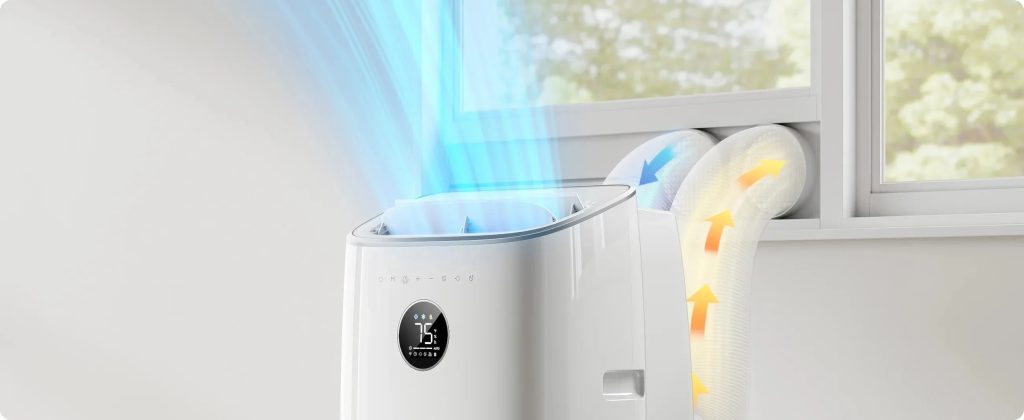
Are you thinking about getting a portable air conditioner but wondering if you need to vent it? You’re not alone.
Many people ask this question because it affects where and how you can use your unit. Understanding whether your portable AC needs to be vented can save you time, money, and frustration. You’ll discover the truth about venting portable air conditioners and learn what works best for your space.
Keep reading to make the smartest choice for your cooling needs.

Credit: www.dreo.com
How Portable Acs Work
Portable air conditioners cool rooms by removing heat from the air. They use a system that moves heat outside.
Understanding how they work helps to see why venting is important. The process has two main parts.
Cooling Mechanism Basics
Portable ACs use refrigerant to absorb heat from indoor air. The warm air passes over cold coils filled with this refrigerant.
- The refrigerant inside the coils absorbs heat from the air.
- This cools the air, which the unit blows back into the room.
- Heat absorbed by the refrigerant moves to the outside part of the unit.
Heat Exhaust Process
The heat collected from the room must be expelled outside. This keeps the room cool and prevents heat buildup.
| Step | Action | Purpose |
| 1 | Warm air is drawn into the unit. | To remove heat from the room. |
| 2 | Heat is transferred to the refrigerant. | To cool the air inside the room. |
| 3 | Refrigerant carries heat to the outside. | To release heat away from the room. |
| 4 | Hot air is vented through a hose. | To expel heat outside the building. |
Credit: www.angi.com
Types Of Portable Air Conditioners
Portable air conditioners cool rooms without permanent installation. They come in different types. Each type has unique features and venting needs.
Understanding these types helps decide if venting is necessary. The main types are single-hose models, dual-hose models, and evaporative coolers.
Single-hose Models
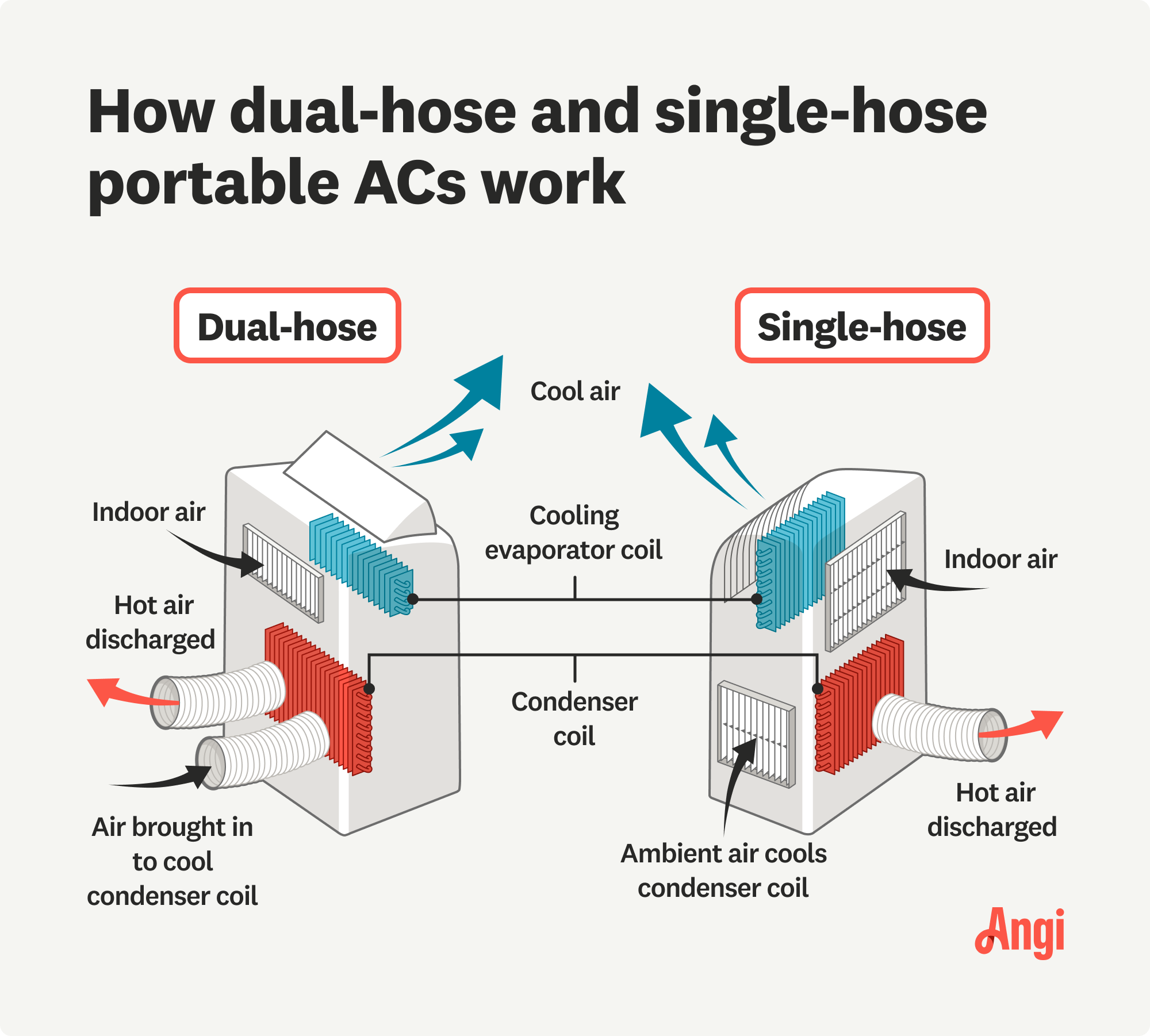
Single-hose portable air conditioners use one hose to vent hot air outside. They pull air from the room to cool and then exhaust the warm air outdoors.
These models need a window or opening for the hose. Without venting, they cannot work properly and may increase room temperature.
Dual-hose Models
Dual-hose portable air conditioners have two hoses. One pulls air from outside to cool the unit. The other expels hot air outside.
- More efficient cooling than single-hose models
- Less air pressure change inside the room
- Require two vents or openings
- Better for larger spaces
These models always need venting for both hoses. Without venting, they cannot remove hot air or bring fresh air inside.
Evaporative Coolers
Evaporative coolers use water evaporation to cool air. They do not use refrigerants or compressors like other air conditioners.
| Feature | Evaporative Coolers | Portable AC Units |
|---|---|---|
| Cooling Method | Evaporation of water | Refrigerant compression |
| Venting Needed | No | Yes |
| Best Use | Dry climates | Humid and dry climates |
| Energy Use | Low | Higher |
Evaporative coolers usually do not need venting. They add moisture to the air and work best in dry areas.
Venting Requirements Explained
Portable air conditioners cool rooms by removing heat. They often need a way to push hot air outside.
This process usually requires venting, but some units work differently. Understanding venting helps you use your AC correctly.
Why Venting Is Usually Needed
Most portable air conditioners use a hose to send hot air out of your home. Without venting, the room stays warm.
Venting keeps the heat from building up inside. It also removes moisture that the AC pulls from the air.
- Hot air leaves through a window or vent
- Moisture is expelled outside to prevent humidity
- Proper venting improves cooling efficiency
- Without venting, the AC heats the room instead of cooling
Exceptions To Venting
Some portable air conditioners do not need venting. These models cool air using special technology without pushing hot air out.
Evaporative coolers and some small units work by adding moisture or using water evaporation. They do not need a vent hose.
- Evaporative coolers use water to cool air
- They are best in dry climates
- Small personal air conditioners may not need venting
- These units do not remove heat; they lower air temperature differently
Consequences Of Not Venting
Not venting a portable air conditioner can cause problems inside your home. The unit needs to push hot air outside to work well.
If the hot air stays inside, the air conditioner will struggle to cool the room. This can lead to several issues.
Reduced Cooling Efficiency
Without proper venting, the portable air conditioner cannot remove hot air from the room. This lowers its ability to cool effectively.
- The unit works harder to cool the space.
- Energy use increases, raising electricity bills.
- Cooling time becomes longer than normal.
- The air conditioner may overheat and stop working.
Increased Indoor Heat
Hot air that is not vented stays inside, making the room warmer. This can cause discomfort and reduce air quality.
| Effect | Cause | Result |
| Room Temperature Rises | Hot air not removed | Less comfort |
| More Dust and Pollutants | Stagnant air | Poor air quality |
| Higher Humidity | Trapped moisture | Feels hotter |
Potential Moisture Issues
Venting also helps remove moisture from the air. Without it, moisture builds up and causes problems inside.
Common moisture problems include:
- Mold and mildew growth on walls and ceilings
- Damage to furniture and fabrics
- Increased risk of respiratory issues
- Peeling paint and wallpaper
Venting Options And Setup
Most portable air conditioners need venting to remove hot air. This keeps your room cool and the machine working well.
There are several ways to vent a portable air conditioner. The right choice depends on your room and setup.
Window Venting Kits
Window venting kits are the most common way to vent portable air conditioners. They let hot air escape through a window.
The kit includes a hose and a panel to fit in your window opening. The panel blocks outside air from entering.
- Easy to install and remove
- Works with sliding or sash windows
- Keep the window slightly open for vent hose
- Must seal gaps to prevent hot air leaks
Wall Or Ceiling Vents
You can vent portable air conditioners through walls or ceilings. This method needs a permanent vent hole.
This setup is more complex but keeps windows closed. It works well for rooms without good window access.
- Requires drilling a hole in the wall or ceiling
- Needs a vent cover to keep weather out
- Offers a clean, permanent venting solution
- Better for long-term use
Portable Venting Solutions
Some portable air conditioners use special venting options. These include dual hose systems or ventless models.
Dual hose units pull air from outside and vent hot air separately. Ventless models do not need external venting but cool less efficiently.
- Dual hose systems improve cooling and efficiency
- Ventless units use water evaporation to cool air
- Ventless units work best in dry climates
- Check your model’s venting requirements carefully
Maintenance Tips For Venting
Portable air conditioners need proper venting to work well. Keeping the vent clean and sealed helps the unit cool your room better.
Regular maintenance of the vent parts can stop leaks and improve airflow. This guide covers easy tips to keep your vent in good shape.
Cleaning The Exhaust Hose
Dust and dirt can build up inside the exhaust hose. This blocks hot air and lowers the air conditioner’s efficiency.
Remove the hose and clean it with a soft cloth or vacuum. Check for cracks or holes that might cause air leaks.
Sealing Gaps
Gaps around the vent can let hot air inside your room. Seal these spaces to keep cool air in and hot air out.
Use weatherstripping or foam tape to close gaps around windows or wall openings where the hose attaches.
- Check window adapters for loose fitting
- Apply sealant or tape around hose connections
- Replace worn-out seals regularly
Ensuring Proper Airflow
Good airflow is key for your portable air conditioner to cool effectively. Avoid kinks or bends in the exhaust hose.
Keep the hose as straight and short as possible. Make sure nothing blocks the hose end outside your window.
- Position the hose away from curtains or furniture
- Use hose supports to prevent sagging
- Check airflow regularly to spot any problems
Alternatives To Vented Portable Acs
Not all portable air conditioners need to be vented outside. Some options cool the air without a vent hose. These alternatives work well in places where venting is hard or not allowed.
Two common alternatives are evaporative coolers and split portable AC units. They offer different ways to cool your space without the usual venting setup.
Evaporative Coolers
Evaporative coolers, also called swamp coolers, use water to cool the air. They blow air through a wet pad, which lowers the temperature.
These coolers work best in dry climates. They add moisture to the air, making the room feel cooler without using much energy.
- Use water to cool the air
- Do not need venting
- Work well in dry areas
- Add humidity to the room
- Energy efficient and quiet
Split Portable Ac Units
Split portable AC units have two parts: one inside and one outside. The indoor unit cools the air, and the outdoor unit releases heat.
These units do not need a vent hose like traditional portable ACs. You only need a small hole or window for the outdoor part.
- Two separate units for cooling and heat release
- No vent hose needed
- Outdoor unit placed outside or near window
- Quieter indoor operation
- Good cooling without complex venting

Credit: www.reddit.com
Frequently Asked Questions
Do Portable Ac Units Require Venting?
Yes, most portable air conditioners need venting to expel hot air. Venting is crucial for efficient cooling. Without it, the unit might not function properly. Some models use alternative methods like evaporative cooling, but traditional portable ACs require a window or vent kit for optimal performance.
Can I Use A Portable Ac Without Venting?
Using a portable AC without venting is inefficient. It won’t cool effectively and may overheat. Venting expels hot air, maintaining a comfortable temperature. If venting isn’t possible, consider an evaporative cooler, which doesn’t require venting but works best in dry climates.
How Do I Vent A Portable Ac?
Venting a portable AC involves using a window or vent kit. Attach the exhaust hose to the unit and extend it to a window opening. Ensure a tight seal to prevent hot air from re-entering. Follow the manufacturer’s instructions for specific installation steps for optimal cooling efficiency.
Are Ventless Portable Ac Units Effective?
Ventless portable AC units, like evaporative coolers, can be effective in dry climates. They add moisture to the air, cooling the environment. However, in humid areas, their efficiency decreases. Traditional portable ACs with proper venting are generally more effective in a wider range of climates.
Conclusion
Not all portable air conditioners need venting, but most do. Venting helps remove hot air and keeps rooms cool. Some models use special technology to avoid venting. These options are good for small spaces or quick cooling. Always check the product details before buying.
Proper venting improves efficiency and saves energy. Choose the right type for your needs and space. This will help you stay comfortable all summer long.