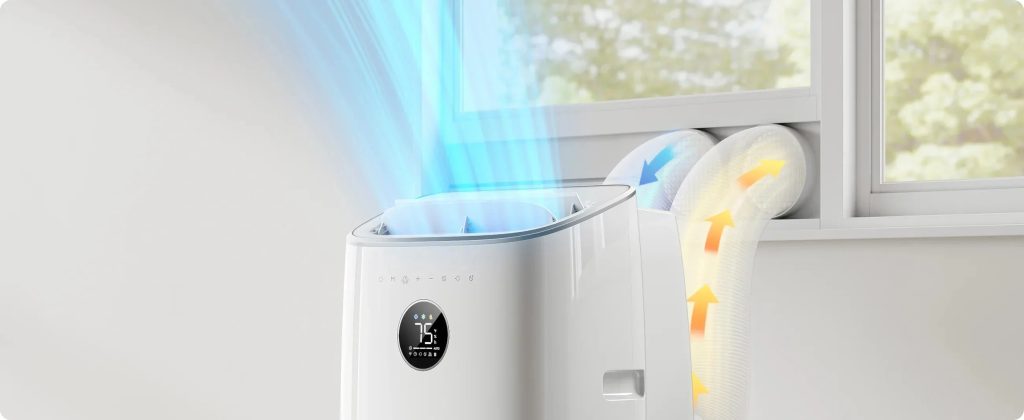
Are you thinking about getting a portable air conditioner but wondering if it always needs to be vented outside? This question is more important than you might think.
How you set up your unit can affect how well it cools your space and your energy bills. You’ll discover the truth about venting portable air conditioners and learn what works best for your home. Keep reading to make sure you choose the right option and stay cool without any hassle.
How Portable Acs Work
Portable air conditioners cool rooms by moving heat from inside to outside. They use a compact system that fits in one unit. This makes them easy to move and use in different rooms.
Understanding how they work helps to know why venting outside is important for many models. The key parts are the cooling mechanism and the heat exchange process.
Cooling Mechanism
Portable ACs cool air by using a refrigerant. This liquid absorbs heat when it changes to gas. The cooled air is then blown into the room. This process lowers the temperature inside.
- The refrigerant absorbs heat from indoor air.
- A compressor pumps the refrigerant to the outside coil.
- The refrigerant releases heat and turns back to liquid.
- Cooled air is circulated inside the room.
Heat Exchange Process
The heat exchange moves heat from inside to outside. Portable ACs have hoses that vent warm air outdoors. This is necessary to keep the room cool and avoid heat buildup.
| Component | Function |
| Evaporator Coil | Absorbs heat from indoor air |
| Compressor | Pumps refrigerant through the system |
| Condenser Coil | Releases heat outside |
| Exhaust Hose | Vents hot air outdoors |
Vented Vs. Ventless Models
Portable air conditioners come in two main types: vented and ventless. Knowing the difference helps you pick the right one for your space.
This article explains the key features of vented and ventless units. It also shows how they work and what to expect from each.
Characteristics Of Vented Units
Vented portable air conditioners need a way to release hot air outside. They use a hose that connects to a window or wall vent.
- Require installation of an exhaust hose
- Move heat from inside to outside
- Can also remove humidity from the air
- Tend to cool rooms faster and more efficiently
- Need a nearby window or vent opening
Features Of Ventless Units
Ventless portable air conditioners do not need an exhaust hose. They use water or other methods to cool the air without sending hot air outside.
| Feature | Vented Units | Ventless Units |
| Exhaust Hose | Required | Not needed |
| Cooling Method | Expel hot air outside | Use water evaporation or refrigerant |
| Humidity Control | Removes moisture | Adds moisture |
| Installation | Needs window or vent | Portable and simple |
| Efficiency | High cooling power | Less powerful |
Why Venting Is Important
Portable air conditioners need venting to work well. Venting sends hot air outside. This helps cool your room faster and better.
Without venting, the heat stays inside. This makes the air conditioner less effective and wastes energy.
Heat Removal
Venting removes the heat the air conditioner takes from your room. The machine pulls warm air in and cools it. The heat must leave your home.
- Hot air moves through a hose to the outside.
- Venting stops heat from building inside the room.
- No venting means the room stays warm and uncomfortable.
Humidity Control
Portable air conditioners also lower humidity in the room. Venting helps remove this moisture. Without it, humidity can rise inside.
| With Venting | Without Venting |
| Removes warm, moist air | Moisture stays in room |
| Better humidity control | Higher humidity levels |
| More comfortable air | Feels damp and sticky |

Credit: www.angi.com
Common Venting Methods
Most portable air conditioners need to vent hot air outside. Venting helps the unit cool the room effectively. Without venting, the air conditioner cannot remove heat properly.
There are a few common ways to vent portable air conditioners. These methods let the hot air leave your room safely and keep the space cool.
Window Installation
Window installation is the most popular venting method. You use a special window kit that fits the exhaust hose. The kit seals the window and lets hot air flow outside.
This method works best for sliding or sash windows. The exhaust hose connects to the air conditioner and directs hot air through the window.
- Easy to install with included kits
- Works with most standard windows
- Removes hot air directly outside
- Window must be near the air conditioner
Through-the-wall Venting
Through-the-wall venting sends hot air through a hole in the wall. This method is more permanent than window venting. It allows you to place the air conditioner anywhere in the room.
You need to drill a hole in the wall and install a vent cover. The exhaust hose connects to the vent, pushing hot air outside through the wall opening.
- Requires a wall hole for the vent
- Allows flexible placement of the unit
- More permanent and secure setup
- Needs careful sealing to avoid leaks
Pros And Cons Of Venting Outside
Portable air conditioners often need venting to work properly. Venting means sending hot air outside. This helps the air conditioner cool the room better.
Not all portable units must be vented outside. Some models use other ways to manage hot air. Still, venting has its good and bad points.
Energy Efficiency
Venting outside makes portable air conditioners more energy efficient. It removes hot air from the room. This lowers the room temperature faster.
- Better cooling with less power use
- Prevents heat from staying inside
- Helps the unit run smoothly
- Reduces electricity bills
Installation Challenges
Venting outside can be hard to set up. It needs a window or hole to push hot air out. Sometimes, this is not easy to do.
| Challenge | Explanation |
| Window Size | Some windows are too small for vent kits |
| Wall Access | Drilling holes can damage walls |
| Weather | Outdoor vents can let rain or bugs in |
| Temporary Setup | Vents may need removal when moving |
Credit: www.angi.com
Alternatives To Traditional Venting
Many portable air conditioners need venting outside to work well. This venting removes hot air from your room. Some alternatives do not need this venting.
These options cool air in different ways. They can be easier to use in places without windows or vents.
Evaporative Coolers
Evaporative coolers use water to cool the air. They pull warm air through wet pads. The air cools as the water evaporates.
These coolers add moisture to the air. They work best in dry climates. They do not need a vent to the outside.
- Use less electricity than traditional air conditioners
- Improve air quality by adding humidity
- Do not remove heat, so not ideal for very hot places
Heat Absorbing Technologies
Heat absorbing technology captures heat inside the unit. It stores heat in special materials instead of releasing it outside.
This type of portable cooler does not need venting pipes. It reduces the need to move hot air outside.
- Uses materials like phase change substances to absorb heat
- Keeps rooms cooler without vent hoses
- Works best for small spaces and short cooling times
Choosing The Right Portable Ac
Portable air conditioners help cool rooms without permanent installation. Picking the right unit ensures comfort and efficiency.
Understanding room size and ventilation needs is important for the best cooling results.
Room Size Considerations
Choose a portable AC based on the room’s size. A small unit may not cool a large room well.
Check the AC’s cooling capacity, usually measured in BTUs. Higher BTUs cool bigger rooms faster.
- Up to 300 sq ft: 8,000 BTUs
- 300 to 500 sq ft: 10,000 BTUs
- 500 to 700 sq ft: 12,000 BTUs
- 700 to 1,000 sq ft: 14,000 BTUs
Ventilation Requirements
Most portable ACs need to vent hot air outside. This keeps the room cool and prevents heat buildup.
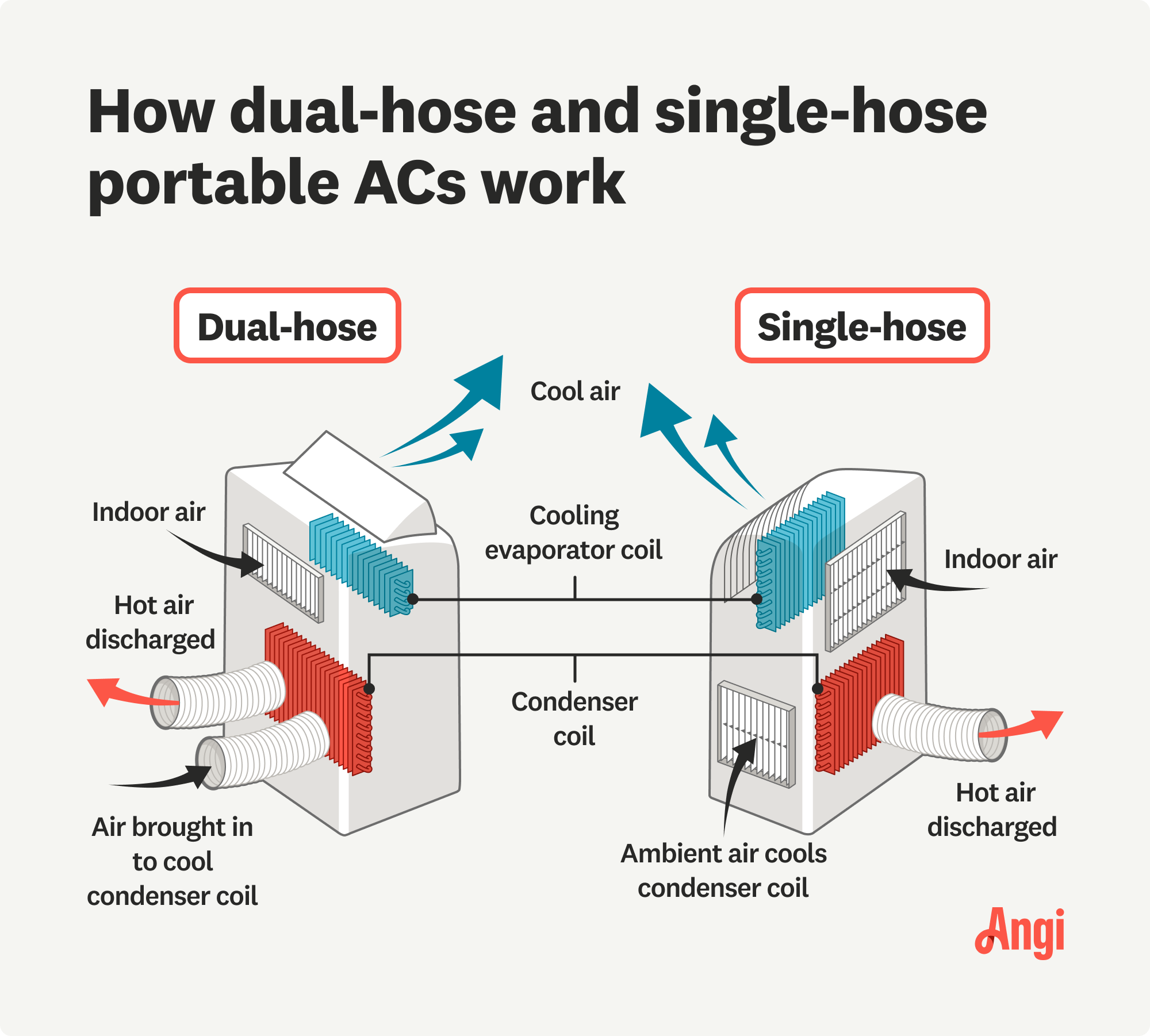
Venting usually happens through a window using a hose. Some units have dual hoses for better airflow.
- Single hose units pull air from the room and vent it outside.
- Dual hose units use one hose for intake and one for exhaust.
- Proper sealing around the vent hose stops warm air from entering.
- Without venting, the AC cannot cool effectively.

Credit: www.zdnet.com
Frequently Asked Questions
Do All Portable Air Conditioners Require Venting Outside?
Most portable air conditioners need venting outside to expel hot air. Without venting, they cannot cool effectively. Some models use evaporative cooling or water but are less common. Proper venting ensures optimal performance and energy efficiency.
Can Portable Ac Units Work Without An External Vent?
Portable AC units generally cannot work efficiently without an external vent. The vent removes hot air from the room. Without it, the unit recycles heat, reducing cooling ability. Some small or evaporative models may operate without venting but offer limited cooling.
Why Is Venting Important For Portable Air Conditioners?
Venting removes hot air produced during cooling. It prevents heat buildup inside the room. This process improves cooling efficiency and reduces energy consumption. Without venting, the unit may overheat and perform poorly.
Are There Portable Air Conditioners That Don’t Need Window Vents?
Yes, some portable ACs use water or ice for cooling and don’t need window vents. These are usually evaporative coolers, not traditional ACs. They work best in dry climates and offer limited cooling compared to vented units.
Conclusion
Most portable air conditioners need venting to work well. Venting removes hot air and keeps rooms cool. Some models claim no venting, but they cool less effectively. Proper venting helps save energy and money. Always check your unit’s instructions before use.
Choose the right setup for your space. A well-vented air conditioner keeps you comfortable all day. Simple steps make a big difference in cooling. Stay cool and enjoy your portable air conditioner fully.