Are you thinking about getting a portable air conditioner but wondering if it really needs to be vented outside? You’re not alone.
Many people ask this question because venting can feel like a hassle. What if you could keep your room cool without dealing with complicated installations? Understanding how portable air conditioners work and why venting matters will help you make the best choice for your space.
Keep reading to discover the truth and find out what options you have for staying cool this summer.
How Portable Acs Work
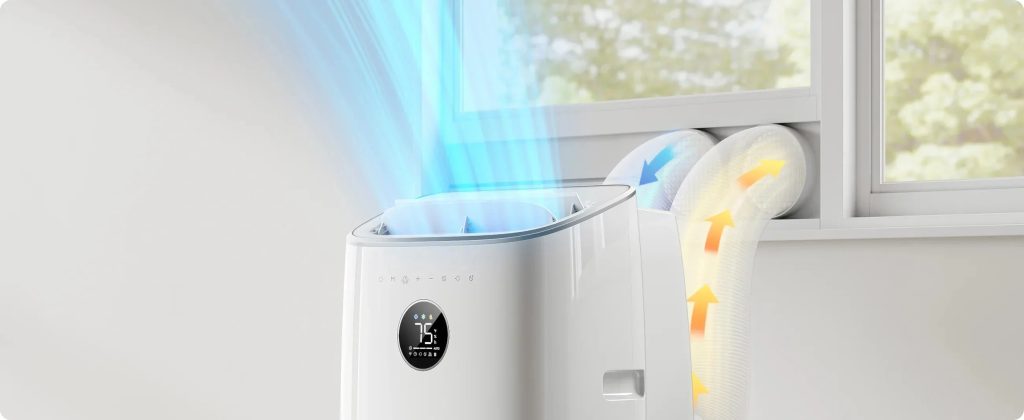
Portable air conditioners cool a room by removing warm air inside. A fan pulls hot air from the room. This air passes over cold coils inside the unit. The cold coils absorb heat, making the air cooler. The cool air blows back into the room.
Heat taken from the room must go outside. This is done through a vent pipe. The pipe carries hot air out of the house. Without venting, heat stays inside and the room won’t cool well. Most portable ACs need this vent to work properly.
Why Venting Matters
Portable air conditionersremove hot air from your room to cool it down. This hot air must go outside through a vent. Without venting, the heat stays inside, making the room warmer.
Venting is importantbecause it keeps the unit working well. If hot air cannot escape, the air conditioner works harder and uses more energy. This lowers its cooling efficiency.
Some units may use water to cool, but most need a vent hose. That hose helps remove heat and moistureoutside. Proper venting stops hot air from building up inside your home.
Types Of Portable Acs
Some portable air conditioners need a hose to vent hot air outside, while others use water or ice for cooling. Vent-free models cool rooms without outside venting but may have limits in very hot spaces. Choosing the right type depends on your room and venting options.
Single-hose Models
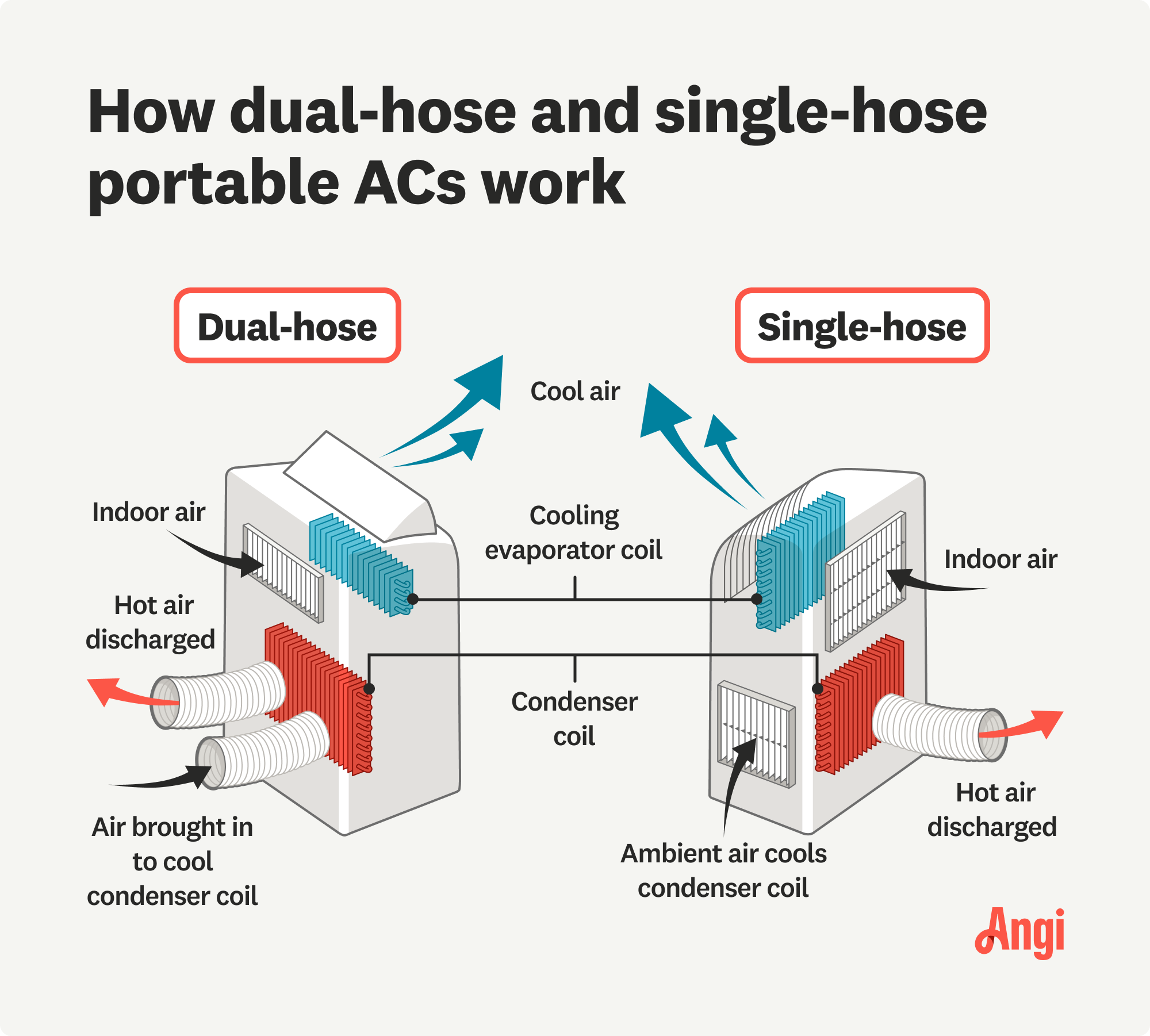
Single-hose portable ACspull warm air from the room. They cool the air inside but send hot air outside through one hose. This can lower the room’s air pressure. It may draw warm air from other rooms or outside.
Dual-hose Models
Dual-hose portable ACsuse two hoses. One hose brings fresh air from outside to cool the unit. The other hose pushes hot air outside. This design keeps room pressure balanced. It cools more efficiently than single-hose models.
Ventless Options
Ventless portable ACsdo not need venting outside. They use water evaporation to cool air. These are less powerful and best for small spaces. They add humidity to the room, which may not suit all climates.
Credit: www.angi.com
Ventless Portable Acs Explained
Not all portable air conditioners need to be vented outside. Some models, called ventless or evaporative coolers, use water to cool the air without a vent. These are best for small spaces and dry climates.
How They Operate
Ventless portable air conditionerscool air by using water evaporation or ice. They do not need a hose to push hot air outside. These units pull warm air inside and pass it over a cold surface. The air cools down and comes out cooler. Some models use water tanks to catch moisture. Others need ice to increase cooling power. They are easy to move and set up anywhere.
Limitations And Myths
Ventless ACs do not cool rooms as wellas vented models. They work best in small spaces or for personal cooling. They add moisture to the air, which can make rooms feel humid. This can cause discomfort in hot, wet climates. Some believe ventless ACs remove heat fully, but they only reduce temperature a little. They are not a full replacement for traditional air conditioners.
Consequences Of Not Venting
Portable air conditionersremove heat from the air inside a room. This heat must go outside through a vent. Without venting, the heat stays inside, causing reduced cooling performance. The unit works harder but cools less.
Not venting also leads to an increased room temperature. The heat builds up, making the room warmer, not cooler. This defeats the purpose of using the air conditioner.
- Cooling power drops significantly without venting.
- Room temperature may rise instead of fall.
- The air conditioner may overheat or break down.
- Energy use increases, raising electricity bills.
Venting Solutions And Tips
Portable air conditionersusually need venting to remove hot air. The most common way is through a window installation. Many units come with a window kitthat fits in sliding or sash windows. The kit holds the vent hose and blocks outside air from entering. This setup keeps your room cool and comfortable.
Some windows need custom cutsor adapters to fit the vent hose. It is important to measure your window before buying a unit. Proper sealing around the vent prevents hot air leaks and increases efficiency.
- Sliding windows use a horizontal panel
- Sash windows use a vertical panel
- Double-hung windows may need adjustable panels
Alternative venting methodsinclude venting through walls or ceilings. These require drilling holes and may need professional help. Another option is using a dryer ventoutlet. Some units can vent into a drop ceiling or crawl space. These methods are less common but useful in special cases.
Energy Efficiency And Costs
Proper ventinghelps portable air conditioners work well and save energy. Without venting, hot air stays inside, making the unit work harder. This causes higher electricity billsand less cooling.
Venting to the outside removes warm air, so the cooler air stays inside. This improves energy efficiencyand reduces costs over time. Using a good vent hose and sealing gaps helps keep cool air in and hot air out.
| Venting Type | Energy Use | Cost Impact |
|---|---|---|
| Properly Vented | Low | Lower bills |
| Not Vented | High | Higher bills |
Long-term savingscome from less power use and longer unit life. Proper venting reduces strain on the machine. This keeps it running well for years.

Credit: www.angi.com
Choosing The Right Portable Ac
Choosing the right portable air conditioner depends a lot on the size of the room. Small rooms need less cooling power. Big rooms require stronger units to cool well. Measure your room before buying to match the AC’s capacity.
Most portable air conditioners must be vented outside. This removes hot air and moisture from the room. Without venting, the AC can’t cool properly and may make the room warmer.
Some models are ventless or evaporative coolers. They don’t need a vent but only work well in dry climates. These coolers add humidity, which may not suit all rooms.
Check the product details to see if venting is required. Also, plan where to put the vent hose for easy installation and good airflow.

Credit: www.zdnet.com
Frequently Asked Questions
Do Portable Acs Require Outside Venting?
Most portable air conditioners need venting to expel hot air. Venting is crucial for maintaining efficiency and cooling effectiveness. Without proper venting, the unit may not cool the room adequately. Some models use dual hose systems for better efficiency, while others might use a single hose configuration.
Can Portable Acs Be Used Without Venting?
Using a portable AC without venting reduces its efficiency. It recirculates hot air, leading to ineffective cooling. Some units offer dehumidifying or fan-only modes, which don’t require venting. However, for cooling purposes, venting is necessary to expel the hot air outside.
What Happens If Ac Is Not Vented Properly?
Improper venting causes the portable AC to work harder. It leads to reduced cooling efficiency and higher energy consumption. The unit may overheat and shut down frequently. Ensuring proper venting improves performance and extends the unit’s lifespan, providing optimal cooling comfort.
Are There Ventless Portable Air Conditioners?
Most portable air conditioners require venting. However, some evaporative coolers, called “swamp coolers,” are ventless. They use water evaporation for cooling. These work best in dry climates and aren’t true air conditioners. They don’t cool as effectively as vented models and are not ideal for humid areas.
Conclusion
Not all portable air conditioners need venting outside. Some models use special technology to cool air without a vent. But most require venting to remove hot air and moisture. Venting helps the unit work better and saves energy. Always check your model’s instructions before setting it up.
Proper venting keeps your room cool and comfortable. Choose the right option for your space and needs. This simple step makes a big difference in cooling performance.