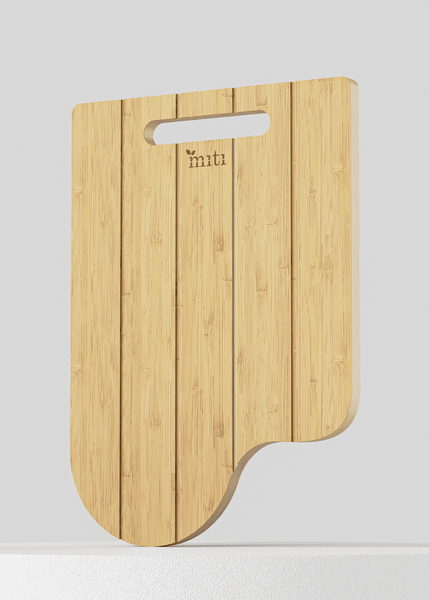
Are you worried that your bamboo cutting board might be dulling your knives? You’re not alone.
Many home cooks wonder if choosing bamboo means sacrificing the sharpness of their blades. If you want to keep your knives sharp and your kitchen tools working perfectly, it’s important to understand how bamboo boards interact with your knives. Keep reading to discover the truth behind bamboo cutting boards and knife dulling—and learn how to protect your knives while enjoying the benefits of bamboo.
Credit: www.deerandoak.co.uk
Bamboo Cutting Boards Basics
Bamboo cutting boards are popular in many kitchens. They look nice and feel strong.
People wonder if bamboo boards dull knives faster than other boards. Let’s learn more about bamboo cutting boards.
What Is Bamboo Wood
Bamboo is a fast-growing grass that looks like wood. It is used to make many products, including cutting boards.
Bamboo wood is hard and dense. It is harder than some other woods but still gentle on knives.
Types Of Cutting Boards
Cutting boards come in different materials. Each type feels different and affects knives in its own way.
- Wooden boards: soft and knife-friendly, good for many tasks.
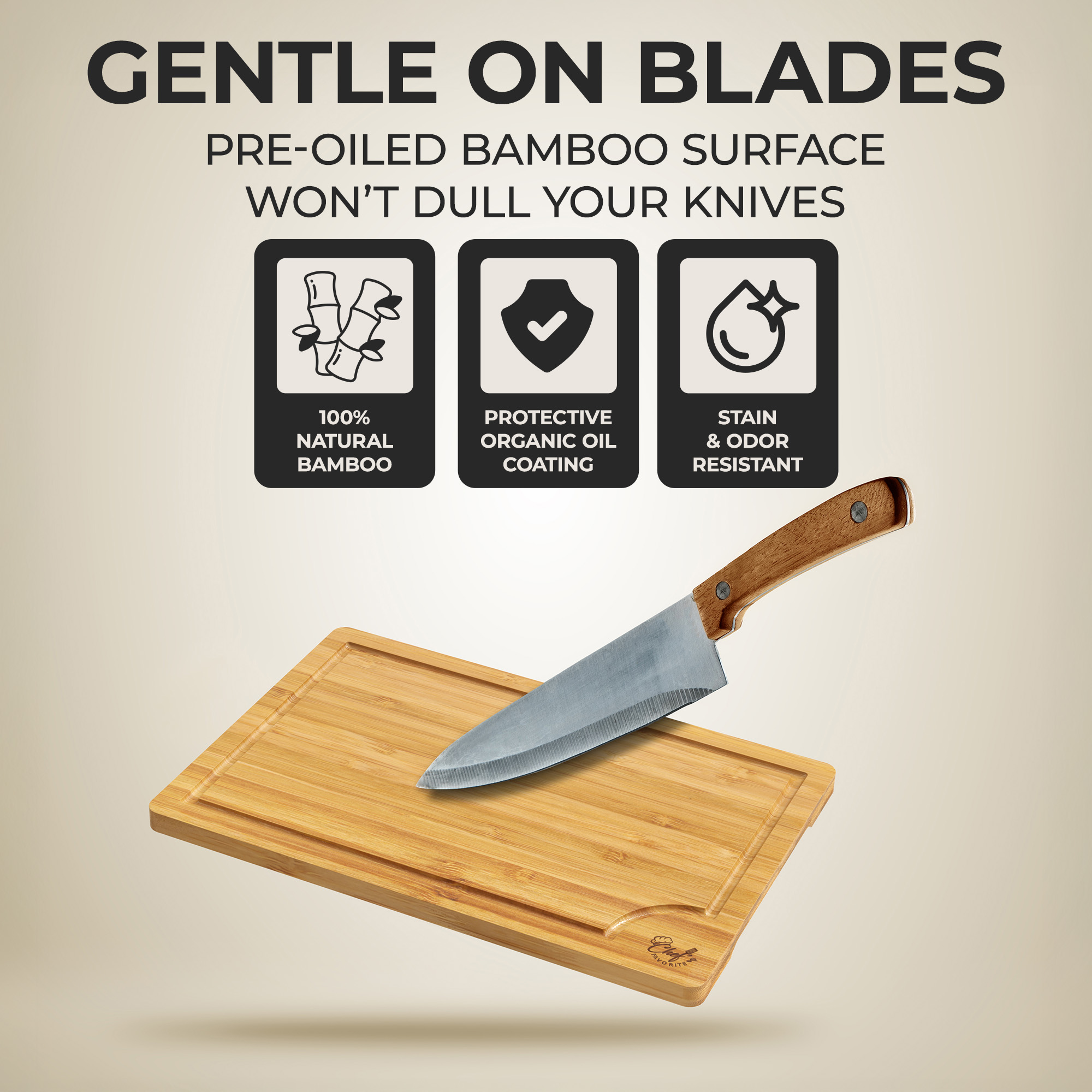
- Bamboo boards: harder than wood, durable but still kind to knives.
- Plastic boards: easy to clean, but can be rough on blades.
- Glass boards: very hard and can dull knives quickly.
- Composite boards: mix of materials, varies in hardness.
Credit: www.walmart.com
Knife Sharpness Factors
Knife sharpness depends on many things. The cutting board material can affect blade edges.
Understanding how boards impact knives helps keep blades sharp longer.
Material Impact On Blades
Bamboo cutting boards are popular for their look and durability. Bamboo is harder than wood but softer than plastic.
Harder surfaces may wear down knife edges faster. Softer materials cause less blade damage.
- Bamboo is harder than many woods
- Hard surfaces can dull knives quicker
- Softer boards protect blade edges better
Cutting Surface Hardness
The hardness of the cutting surface affects blade sharpness. Hard surfaces push against the blade edge more.
Soft surfaces absorb blade pressure and reduce dulling. Bamboo is medium hard, so it wears knives moderately.
- Hard surfaces: glass, stone (dull knives fast)
- Medium surfaces: bamboo, hard wood (moderate dulling)
- Soft surfaces: plastic, soft wood (less dulling)
Bamboo Vs Other Materials
Bamboo cutting boards are popular in many kitchens. People often ask if bamboo dulls knives faster than other materials. This article compares bamboo with wooden and plastic boards.
Understanding how bamboo compares helps you choose the right cutting board. We look at durability, knife safety, and care needs.
Comparison With Wooden Boards
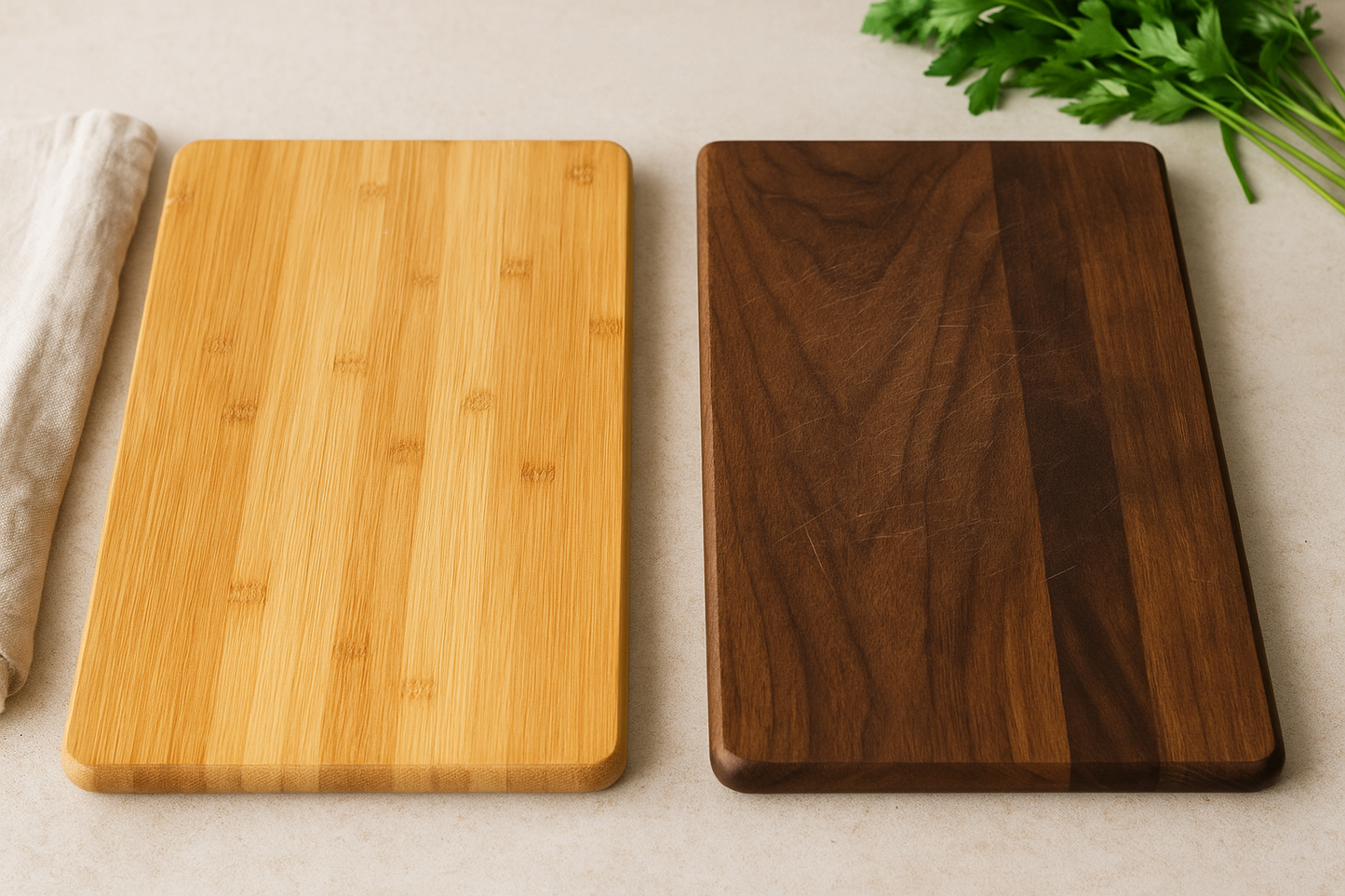
Wooden boards come in many types like maple and walnut. They are softer than bamboo, which means they are gentler on knives. Bamboo is harder and can wear knives slightly faster.
- Bamboo is harder and more durable than most wood.
- Wood absorbs moisture better, reducing knife dulling.
- Wood boards often self-heal small cuts, protecting knives.
- Bamboo resists water but can cause more blade wear.
Comparison With Plastic Boards
Plastic boards are softer than bamboo but can get deep cuts easily. These cuts can trap bacteria, so plastic boards need replacing often. Bamboo is harder and lasts longer, but may dull knives more.
| Feature | Bamboo | Plastic |
| Hardness | High | Low |
| Knife Dulling | Moderate | Low |
| Durability | High | Low |
| Hygiene | Good with care | Needs frequent replacement |
How Bamboo Affects Knives
Bamboo cutting boards are popular in many kitchens. They offer a natural look and are easy to clean. But many wonder if bamboo can dull knives faster than other boards.
This article looks at how bamboo affects knives. We focus on the potential for dulling and the board’s durability and maintenance.
Potential For Dulling
Bamboo is a hard material compared to wood. This hardness can cause knives to lose their sharpness quicker. The fibers in bamboo are tightly packed, which makes the surface firm.
- Bamboo’s hardness can wear knife edges faster.
- The tight fibers create less give when cutting.
- Knives may need more frequent sharpening.
- Soft wood boards are gentler on knives.
Durability And Maintenance
Bamboo boards last long because they resist water and scratches well. They need regular oiling to keep from drying and cracking. Proper care helps maintain their surface and protects knives.
| Care Tip | Effect on Bamboo Board | Effect on Knives |
|---|---|---|
| Regular oiling | Keeps board smooth and hydrated | Reduces knife blade wear |
| Hand washing only | Prevents warping and cracking | Maintains a consistent cutting surface |
| Avoid harsh detergents | Protects bamboo fibers | Prevents rough surfaces that dull knives |
| Use both sides | Extends board life | Distributes wear evenly |
Tips To Protect Knife Edges
Bamboo cutting boards are popular for their durability and eco-friendliness. Some people worry that bamboo boards can dull knives faster.
Protecting your knife edges helps keep them sharp and safe to use. Here are some tips to prevent dulling when using bamboo boards.
Proper Cutting Techniques
How you cut on the board affects your knife’s edge. Avoid pressing too hard or chopping straight down.
Use a smooth, gliding motion. This reduces damage to the blade and keeps it sharp longer.
- Hold the knife at a slight angle
- Use a rocking motion instead of chopping
- Cut with light, even pressure
- Keep the blade moving to avoid stuck edges
Board Care And Cleaning
Taking care of your bamboo board helps protect your knives. Clean the board well after each use.
Keep the board dry and oil it regularly. This prevents cracks and keeps the surface smooth for cutting.
- Wash with warm, soapy water after use
- Dry the board completely before storing
- Apply food-safe mineral oil monthly
- Avoid soaking the board in water
User Experiences And Reviews
Bamboo cutting boards are popular in many kitchens. People often wonder if these boards dull knives faster than other types.
This section shares what users say about bamboo boards and their knives. It includes both positive feedback and common complaints.
Positive Feedback
Many users find that bamboo cutting boards are gentle on their knives. They report less dulling compared to harder boards like glass or stone.
- Bamboo has a natural softness that protects knife edges.
- Boards stay stable and do not slip during cutting.
- Easy to clean and maintain with regular oiling.
- Lightweight and easy to handle in the kitchen.
Common Complaints
Some users feel bamboo boards cause their knives to dull faster than wood boards. Others mention issues with board durability over time.
| Complaint | Description | Frequency |
| Knife Dulling | Knives lose sharpness quicker than expected. | Medium |
| Board Cracking | Boards develop cracks after months of use. | Low |
| Surface Wear | Cutting surface becomes rough and uneven. | Medium |
| Maintenance Needs | Requires frequent oiling to prevent drying out. | High |
Expert Opinions On Bamboo Boards
Bamboo cutting boards are popular in many kitchens. Some cooks wonder if they dull knives faster than other boards.
Experts share their views on how bamboo affects knife sharpness and durability.
Chef Recommendations
Many chefs prefer bamboo boards for their durability and eco-friendliness. They note that bamboo is harder than wood but still gentle on knives.
- Bamboo boards hold up well against heavy chopping.
- Chefs say knives stay sharp longer on bamboo than on glass or stone.
- Regular cleaning and oiling keep bamboo boards smooth and safe for knives.
Knife Manufacturer Insights
Knife makers often test different cutting surfaces to advise customers. They find bamboo boards offer a good balance between hardness and knife care.
| Cutting Board Material | Effect on Knife Edge |
| Bamboo | Moderate wear, less dulling than glass |
| Hardwood (Maple, Walnut) | Gentle on edges, long-lasting |
| Plastic | Soft, but can develop deep cuts |
| Glass | Very hard, dulls knives quickly |

Credit: www.kimecopak.ca
Frequently Asked Questions
Do Bamboo Cutting Boards Damage Knives?
Bamboo cutting boards are generally knife-friendly. They are harder than wood but not too abrasive. Bamboo’s surface is dense, which can cause slight dulling over time. However, with proper maintenance and regular sharpening, your knives will remain in good condition.
Are Bamboo Cutting Boards Bad For Knives?
Bamboo boards are not inherently bad for knives. They offer a durable, eco-friendly option for kitchens. The density of bamboo can cause some dulling. Regular knife sharpening and proper cutting techniques can minimize potential damage and maintain your knife’s edge.
Why Choose Bamboo Cutting Boards Over Wood?
Bamboo boards are eco-friendly and renewable. They are harder and more durable than wood. Bamboo’s natural antibacterial properties make it a hygienic choice for cutting surfaces. Additionally, bamboo requires less maintenance compared to traditional wood boards, making it a practical option for busy kitchens.
How To Maintain Bamboo Cutting Boards?
To maintain bamboo boards, wash with mild soap and water. Avoid soaking and use mineral oil regularly. This prevents the board from drying out and cracking. Store in a dry place and avoid prolonged exposure to moisture. Proper care ensures longevity and optimal performance for your cutting board.
Conclusion
Bamboo cutting boards are gentle on knives. They cause less dulling compared to harder surfaces. Regular care keeps both your board and knives in good shape. Choosing bamboo means a balance of durability and knife safety. Small steps like cleaning and oiling extend their life.
So, bamboo boards protect your knives while staying eco-friendly. A smart choice for any kitchen.