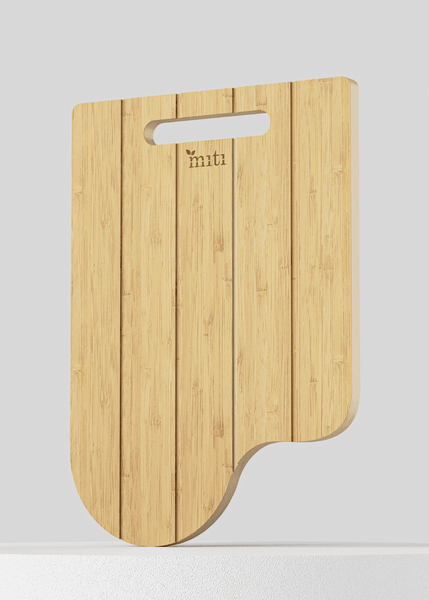
Are you wondering if your bamboo cutting board needs special care before you start chopping? You might have heard about seasoning wooden boards but aren’t sure if it applies to bamboo.
Taking the right steps can keep your board looking great and lasting longer. You’ll discover exactly what seasoning means for bamboo cutting boards, why it matters, and how to do it the right way. Keep reading to protect your kitchen tool and make your cooking experience smoother every time.

Credit: www.theindusvalley.in
Why Season Bamboo Boards
Bamboo cutting boards need care to stay strong and safe. Seasoning helps protect the board from water and stains. It also keeps the bamboo from drying out and cracking.
Seasoning a bamboo board means adding oil to its surface. This simple step keeps the board working well for a long time.
Benefits Of Seasoning
Seasoning bamboo boards gives many advantages. It keeps the board clean and stops it from soaking up liquids. This helps avoid bad smells and germs. The oil also makes the surface smooth, so knives do not dull quickly.
- Prevents water from soaking into the board
- Stops stains from food and liquids
- Reduces the chance of bacteria growth
- Keeps the board surface smooth for cutting
- Helps knives stay sharp longer
Impact On Board Longevity
Seasoning extends the life of bamboo boards. Oiling protects the fibers from drying and breaking. Without seasoning, the board can crack or warp faster. Good care means fewer replacements and less waste.
| Effect | With Seasoning | Without Seasoning |
| Water Resistance | High | Low |
| Crack Risk | Low | High |
| Stain Resistance | Good | Poor |
| Board Smoothness | Maintained | Rough |
| Overall Lifespan | Longer | Shorter |

Credit: forest-decor.com
How To Season Bamboo Boards
Seasoning bamboo cutting boards helps protect them from moisture and cracks. It keeps the board smooth and extends its life.
The process is simple and only needs a few supplies. Using the right oil is key for good results.
Choosing The Right Oil
Pick an oil that is safe for food contact and does not spoil quickly. Avoid vegetable oils that can turn rancid.
- Food-grade mineral oil is popular and easy to find.
- Beeswax mixed with mineral oil adds extra protection.
- Coconut oil can be used but may smell.
- Walnut oil is natural but may cause allergies.
- Avoid olive oil and other cooking oils.
Step-by-step Seasoning Process
| Step | Action |
| 1 | Clean the board with warm water and mild soap. |
| 2 | Dry the board completely with a towel. |
| 3 | Apply a generous amount of chosen oil. |
| 4 | Spread the oil evenly using a cloth or paper towel. |
| 5 | Let the board absorb the oil for several hours or overnight. |
| 6 | Wipe off any excess oil with a clean cloth. |
| 7 | Repeat the process monthly or as needed. |
Maintenance Tips For Bamboo Boards
Bamboo cutting boards are durable and eco-friendly. Proper care helps them last longer.
Good maintenance keeps your bamboo board clean and protects it from damage.
Cleaning Best Practices
Clean your bamboo board after every use. Avoid soaking it in water to prevent warping.
- Wash with warm, soapy water using a soft sponge
- Rinse quickly and dry immediately with a towel
- Do not put bamboo boards in the dishwasher
- Use lemon or vinegar to remove odors and stains
Avoiding Common Damages
Bamboo boards can crack or dull if not handled properly. Avoid these common mistakes.
| Damage Type | How to Avoid |
| Cracking | Keep dry and oil regularly |
| Warping | Do not soak or expose to heat |
| Dulling | Use sharp knives and avoid heavy chopping |
| Staining | Clean spills quickly and treat with oil |
Signs Your Board Needs Reseasoning
Bamboo cutting boards are popular for their durability and eco-friendliness. Like any wooden board, they need care to last long. One important care step is seasoning.
Seasoning means adding oil to protect the board. It keeps water out and stops cracks. You can tell when your board needs reseasoning by some clear signs.
Visual Indicators
Look at your bamboo board closely. Changes in color or surface can show it needs oil. Dry spots or dull areas mean the board is losing moisture.
- Faded or pale color patches
- Small cracks or splits on the surface
- Rough or uneven texture where wood looks dry
- Water droplets soak in quickly instead of beading
Touch And Feel Changes
Run your hand over the board. A healthy board feels smooth and slightly oily. If it feels rough or dry, it needs more oil.
- Dry or rough surface texture
- Board feels lighter than usual
- Edges or corners start to chip or splinter
- Sticky or tacky spots from old oil buildup
Comparing Bamboo To Other Woods
Bamboo cutting boards are popular in kitchens today. They often replace traditional wooden boards. Understanding how bamboo compares to other woods helps in choosing the right board.
This article looks at bamboo’s durability and care needs. These points show how bamboo stands out or matches other woods.
Durability Differences
Bamboo is a grass, but it is very hard and strong. Many hardwoods used for boards include maple, walnut, and cherry. Bamboo boards usually last longer because they resist cuts and scratches well.
| Type of Wood | Hardness | Resistance to Cuts | Longevity |
|---|---|---|---|
| Bamboo | High | Excellent | Long |
| Maple | Medium | Good | Medium |
| Walnut | Medium | Good | Medium |
| Cherry | Low | Fair | Short |
Care Requirements
Bamboo boards need regular care to stay in good shape. Other woods require similar care but can differ slightly in what they need.
- Use mild soap and warm water to clean all boards.
- Do not soak bamboo or wooden boards in water.
- Oil bamboo boards every few weeks to keep them from drying out.
- Some woods like maple also benefit from occasional oiling.
- Never put bamboo or wood boards in the dishwasher.

Credit: www.listful.com
Frequently Asked Questions
Do Bamboo Cutting Boards Require Seasoning?
Bamboo cutting boards do not require seasoning. However, applying mineral oil can enhance their longevity. Seasoning helps prevent cracks and warping. It also provides a protective barrier against moisture. Regular oiling keeps the board in top condition. This ensures durability and extends its lifespan.
How Often Should You Oil Bamboo Cutting Boards?
Oiling bamboo cutting boards every month is recommended. Frequent oiling maintains their appearance and functionality. It prevents drying and cracking. Mineral oil is ideal for this purpose. Regular maintenance ensures your cutting board remains in excellent condition. It also prolongs its lifespan significantly.
What Oil Is Best For Bamboo Cutting Boards?
Mineral oil is best for bamboo cutting boards. It is food-safe and effective in maintaining board quality. Mineral oil prevents moisture absorption. It also keeps the board smooth and crack-free. Regular application enhances durability and appearance. This makes it an ideal choice for bamboo cutting boards.
Can Bamboo Cutting Boards Warp Without Seasoning?
Yes, bamboo cutting boards can warp without seasoning. Seasoning with mineral oil prevents warping. It creates a protective barrier against moisture. Regular maintenance keeps the board flat and functional. This extends its lifespan and usability. Proper care ensures your board remains in excellent condition.
Conclusion
Bamboo cutting boards last longer with proper care. Seasoning helps protect the wood from cracking. It also keeps the board clean and smooth. Use mineral oil to season your bamboo board. Apply it regularly, especially after washing. This simple step keeps your board strong and safe.
Treat your bamboo cutting board well. It will serve you in the kitchen for years. Remember, a little care goes a long way.