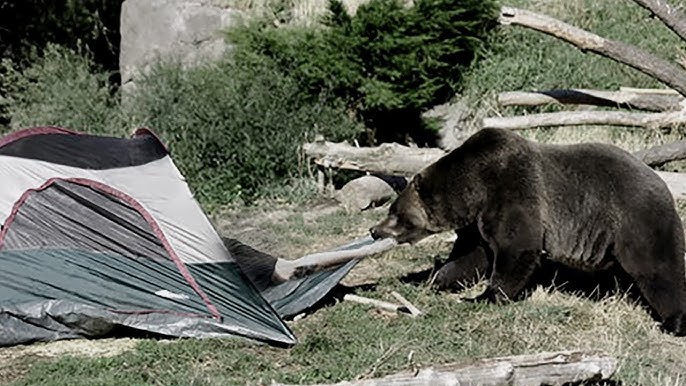
Have you ever wondered if bears really attack tents? When you’re out camping, the thought of a bear coming close can be scary.
You want to enjoy your trip, but the fear of an unexpected visit might hold you back. Understanding when and why bears might attack tents can help you stay safe and feel confident in the wild. Keep reading to discover the facts that every camper should know before setting up camp.
Your safety—and peace of mind—could depend on it.

Credit: www.youtube.com
Bear Behavior Near Campsites
Bears sometimes come close to campsites. Understanding their behavior helps keep campers safe.
Bears do not always attack tents. They usually look for food or are curious.
Why Bears Approach Tents
Bears come near tents mostly because they smell food. They have a strong sense of smell.
Sometimes, bears are curious about new objects in their territory. Tents can attract their attention.
Common Bear Triggers
- Food scraps left outside the tent
- Coolers and backpacks with food scents
- Garbage bags not sealed properly
- Cooking smells from campfires or stoves
- Strong scented toiletries like soap or deodorant
Seasonal Activity Patterns
| Season | Bear Behavior |
| Spring | Bears leave hibernation and look for food actively |
| Summer | Bears feed a lot to prepare for winter |
| Fall | Bears eat heavily and are very active |
| Winter | Bears mostly hibernate and avoid people |
Types Of Bears And Their Risks
Bears are fascinating creatures found in many parts of the world. They are powerful and can be dangerous if you are not careful. When camping, it’s important to know about the types of bears and the risks they pose.
Understanding different bear species helps in planning safe outdoor trips. Each type of bear has unique behaviors and risks associated with it.
Black Bears
Black bears are the most common bear species in North America. They usually avoid humans, but they can be curious and attracted to food smells.
- Usually found in forests and mountains
- Can climb trees easily
- Attracted to food odors
- Typically avoid confrontation
Grizzly Bears
Grizzly bears are larger and more aggressive than black bears. They have a distinctive hump on their shoulders. Grizzlies are found mainly in western North America.
| Feature | Description |
| Size | Very large |
| Behavior | Can be aggressive |
| Habitat | Mountains and forests |
| Risk | High if threatened |
Polar Bears
Polar bears live in the Arctic and are the largest bear species. They are strong swimmers and rely on sea ice for hunting seals. Encounters with humans are rare due to their remote habitat.
Polar bears are adapted to cold environments. They have a thick layer of fat and dense fur to keep warm.
Real Incidents Of Tent Attacks
Bears sometimes attack tents in camping areas. These attacks can be dangerous for campers. Understanding real incidents helps us stay safe outdoors.
Many bear attacks on tents happen because bears look for food. Campers often attract bears by storing food inside or near tents.
Notable Bear Encounters
There are several famous cases of bear attacks on tents. In 2018, a camper in Yellowstone National Park faced a black bear that tore through the tent. The camper escaped with minor injuries.
In another incident in Alaska, a grizzly bear attacked a tent at night. The bear was searching for food but the campers scared it away by shouting.
Campers’ Experiences
Many campers report hearing noises or finding their tents damaged after bear visits. Some say bears try to open tent zippers or tear fabric.
Campers who store food outside tents or use scented items often attract bears. Those who use proper bear-proof containers have fewer problems.
- Keep food in bear-proof containers
- Do not store food in your tent
- Use bear bells or noise makers
- Keep tents clean and odor-free
Statistics On Bear Attacks
Bear attacks on tents are rare but serious. Black bears cause more tent attacks than grizzlies in North America. Most attacks happen in summer months.
| Type of Bear | Percentage of Tent Attacks | Common Locations |
|---|---|---|
| Black Bear | 70% | Yellowstone, Appalachians |
| Grizzly Bear | 25% | Alaska, Rocky Mountains |
| Other Bears | 5% | Various |

Credit: www.youtube.com
Preventing Bear Attacks On Tents
Bears can be curious about tents if they smell food. Knowing how to avoid attracting bears helps keep you safe. You should always take steps to prevent bear encounters while camping.
This guide covers proper food storage, camp setup tips, and using bear deterrents. Follow these simple rules to protect your tent and yourself.
Proper Food Storage
Storing food correctly keeps bears away from your campsite. Bears have a strong sense of smell and will come close if they detect food scents near your tent.
- Use bear-proof containers or lockers to store food.
- Keep all food, garbage, and toiletries in sealed bags or containers.
- Do not keep food inside your tent.
- Hang food bags at least 10 feet off the ground and 4 feet away from tree trunks if no lockers are available.
- Clean cooking areas thoroughly after use.
Camp Setup Tips
Setting up your camp carefully helps reduce bear visits. Choose a spot that limits bear encounters and keep your tent safe.
| Tip | Reason |
| Set up tents away from cooking areas | Limits food smell near sleeping area |
| Choose open areas with good visibility | Allows you to spot bears early |
| Avoid camping near animal trails | Reduces chance of surprise encounters |
| Keep your campsite clean | Removes attractants for bears |
Using Bear Deterrents
Bear deterrents help keep bears at a distance. Use them as part of your safety plan for camping in bear country.
- Bear spray carried and ready to use.
- Noise makers like bells or air horns to alert bears.
- Electric fencing around your campsite, if allowed.
How To React During A Bear Encounter
Encountering a bear near your tent can be frightening. Knowing how to react can keep you safe.
Stay calm and follow simple steps to reduce danger during a bear encounter.
Staying Calm And Quiet
Do not scream or run. Sudden moves can provoke the bear. Speak softly if you must talk.
Keep your movements slow. Avoid direct eye contact as it can be seen as a threat.
Safe Defensive Actions
If the bear is close, stand your ground. Make yourself look bigger by raising your arms.
Back away slowly, never turn your back. Use a firm voice to show you are not prey.
- Do not climb trees; bears can climb faster.
- Keep your tent gear inside to avoid attracting bears.
- Do not feed or approach the bear.
When To Use Bear Spray
Use bear spray only if the bear comes within 20 feet. It can stop an attack.
Aim for the bear’s face and spray in short bursts. Move away while spraying.
- Keep spray accessible at all times.
- Practice using the spray before your trip.
- Do not rely on spray alone; stay alert and cautious.
Camping Gear That Enhances Safety
Bears sometimes come close to campsites. Using the right gear can keep you safe. It helps protect your food and your tent.
Good camping gear lowers the chance of bear attacks. It also makes camping more comfortable and secure.
Bear-resistant Containers
Bear-resistant containers keep food locked away. They stop bears from smelling and reaching your food. This lowers the risk of bears coming near your tent.
These containers are made of strong plastic or metal. They have tight lids that bears cannot open easily.
- Store all food and scented items inside
- Place containers away from your tent
- Check that lids are fully closed
- Use certified bear-resistant models
Electric Fencing Options
Electric fences create a safe boundary around your campsite. They give a small shock that scares bears away. This helps keep bears out of your camping area.
These fences are easy to set up and portable. They work best when combined with other bear safety gear.
- Use low-voltage electric fences
- Place fences around food storage and tents
- Check batteries before camping
- Follow instructions for safe setup
Choosing The Right Tent
Some tents offer better protection from bears. Look for tents with strong fabric and no gaps. This keeps bears from smelling food inside.
Choose tents with sturdy zippers and reinforced floors. They help prevent bears from tearing into the tent.
- Use tents with bear-proof features
- Keep food out of the tent
- Set up tents away from food storage
- Check for holes or weak spots in the tent
Legal And Environmental Considerations
Bears can be dangerous near campsites. Laws and rules help keep people and bears safe. These rules protect bears and their homes.
Understanding legal and environmental issues can reduce bear attacks on tents. Respecting nature helps everyone enjoy the outdoors.
Bear Safety Regulations
Parks and forests have rules to prevent bear attacks. These include how to store food and where to camp. Following these rules lowers risks.
Many places require campers to use bear-proof containers. These containers keep smells away from tents. This stops bears from coming close.
- Store food in bear-proof boxes
- Keep tents away from cooking areas
- Do not leave trash near campsites
- Make noise while hiking to alert bears
Impact Of Human Activity On Bears
Human presence can change bear behavior. Bears may lose fear of people if they find food near tents. This can lead to attacks.
Leaving food or garbage outside attracts bears. Bears that get used to human food can become aggressive. This harms both bears and campers.
- Do not feed bears or leave food out
- Pack out all trash and leftover food
- Use designated cooking and eating areas
Respecting Wildlife Habitats
Bears need safe places to live and find food. Camping too close to bear habitats can disturb them. This may cause bears to act defensively.
Campers should choose spots away from animal trails and dens. Giving bears space helps keep both bears and people safe.
- Camp at least 100 yards from bear signs
- Avoid areas with bear tracks or scat
- Respect closures and protected zones

Credit: www.youtube.com
Frequently Asked Questions
Do Bears Often Attack Tents In The Wild?
Bears rarely attack tents unless provoked or attracted by food inside. Most incidents occur when food is improperly stored. Proper precautions reduce risks significantly.
What Attracts Bears To Tents During Camping?
Strong food smells and improperly stored garbage attract bears to tents. Avoid cooking or eating near your tent to minimize attraction. Always store food in bear-proof containers.
How Can I Prevent Bear Attacks On My Tent?
Store food away from your tent using bear canisters or hang bags high. Keep your campsite clean and avoid strong scents. Make noise while hiking to avoid surprising bears.
Are Certain Bear Species More Likely To Attack Tents?
Grizzly bears are more aggressive and pose higher risks near campsites. Black bears are usually less aggressive but still cautious. Know the local bear species and their behaviors before camping.
Conclusion
Bears rarely attack tents without a reason. They mostly want food, not people. Keeping food away from your tent helps a lot. Staying calm and quiet can prevent problems. Use bear-proof containers to keep your supplies safe. Always follow local rules about camping near bears.
Being careful makes camping safer and more fun. Remember, respecting bears keeps both you and them safe. Camping with knowledge reduces the chance of bear encounters. Stay alert, stay safe, and enjoy the outdoors.