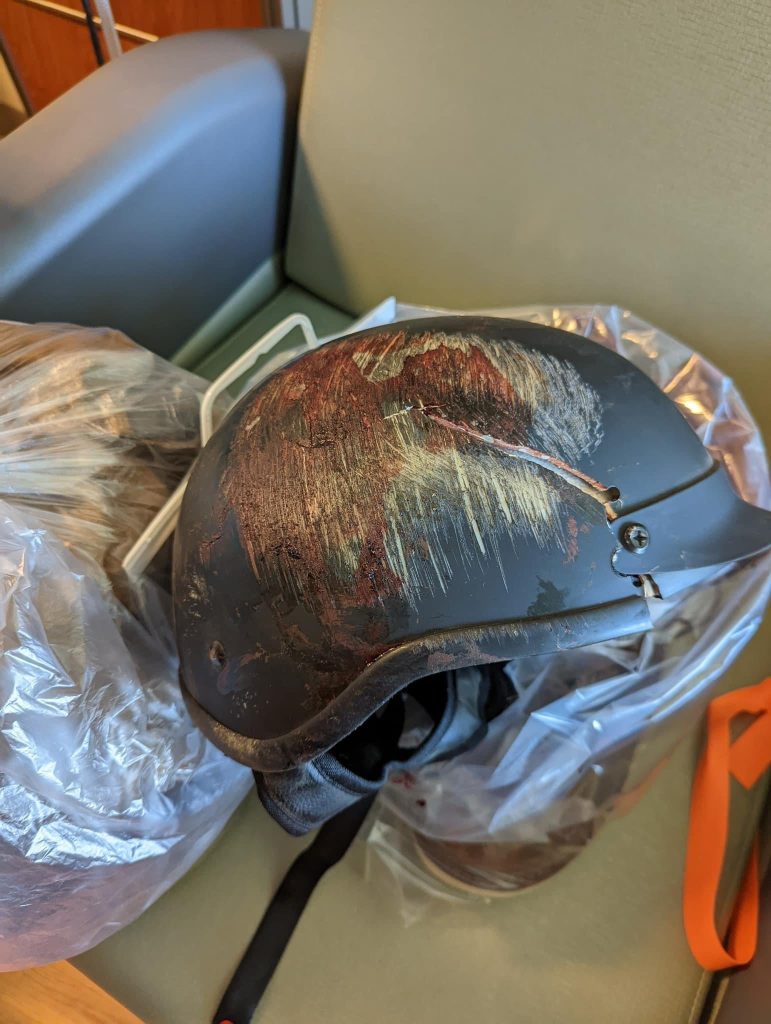
Have you ever wondered if your bike helmet has an expiration date? You might think it’s good as long as it looks fine, but that’s not always true.
Your helmet protects your most valuable asset—your head. Using an expired helmet could put you at serious risk without you even realizing it. You’ll discover why bike helmets don’t last forever and how to know when it’s time to replace yours.
Keep reading to make sure your next ride is as safe as possible.
Helmet Lifespan
Bicycle helmets protect your head during accidents. They wear out over time and lose protection.
Knowing how long a helmet lasts helps you stay safe and decide when to replace it.
Typical Expiry Period
Most helmets expire after a set number of years. This period varies by brand and use.
- Standard helmet lifespan is about 3 to 5 years.
- Some manufacturers recommend replacing helmets every 5 years.
- Helmets used in harsh conditions may last less than 3 years.
- Check your helmet’s manual for exact expiry time.
Factors Affecting Durability
Several factors can shorten or lengthen a helmet’s life. Some are easy to control.
| Factor | Effect on Helmet |
| Sunlight Exposure | Can weaken shell and foam |
| Sweat and Moisture | May degrade padding and straps |
| Crashes or Impacts | Can cause hidden damage |
| Storage Conditions | Extreme heat or cold can harm materials |
| Cleaning Products | Harsh chemicals can degrade helmet parts |

Credit: silverbackbikes.de
Material Degradation
Bike helmets do not last forever. The materials break down over time. Understanding how materials degrade helps keep you safe.
Factors like sunlight, sweat, and regular wear affect helmet materials. These factors can weaken the helmet’s protection.
Impact Of Sunlight
Sunlight can damage your helmet. UV rays break down the plastic shell. Over time, this makes the helmet less effective.
Keep your helmet out of direct sunlight. Store it in a cool, dark place when not in use.
- Sunlight weakens helmet structure
- UV rays cause material to become brittle
- Store helmet in shaded areas
Sweat And Wear Effects
Sweat can also degrade helmet materials. The salt in sweat breaks down the lining inside the helmet. This can make it uncomfortable and less safe.
Regular wear adds to the problem. Straps and padding wear out with use. Replace your helmet if it shows signs of wear.
| Effect | Cause |
| Lining degradation | Sweat |
| Strap wear | Regular use |
Safety Standards
Bike helmets protect your head during accidents. They must meet strict safety rules.
These rules help ensure helmets provide the best protection. Safety standards also guide when helmets expire.
Certification Labels
Certification labels show a helmet meets safety tests. Different countries have different labels.
- CPSC (USA):Requires helmets to pass impact and retention tests.
- CE EN 1078 (Europe):Sets standards for shock absorption and strap strength.
- AS/NZS 2063 (Australia/New Zealand):Covers durability and coverage requirements.
Regulatory Updates
Helmet safety rules change as new research appears. Regulations improve to protect riders better.
| Year | Update | Impact |
|---|---|---|
| 2015 | Stricter impact absorption tests | Better protection from hard falls |
| 2018 | New retention system standards | Stronger chin straps for secure fit |
| 2022 | Added testing for rotational forces | Reduced brain injuries in crashes |
Signs To Replace
Bike helmets protect your head from injuries. It is important to know when to replace them. Helmets can lose their strength over time or after damage.
Look for clear signs that show your helmet is no longer safe. Replacing a helmet at the right time keeps you safe during rides.
Visible Damage
Check your helmet for cracks, dents, or scratches on the shell. Any visible damage can mean the helmet cannot protect well.
Look inside the helmet for crushed foam or broken padding. Damage inside is harder to see but very important.
- Cracks in the outer shell
- Dents or deep scratches
- Crushed or cracked foam inside
- Broken straps or buckles
After A Crash
Replace your helmet right after any crash or hard impact. The helmet may look fine but can be weakened inside.
Even small crashes can cause hidden damage. Do not risk using a helmet that has taken a hit.
- Helmet hit the ground or object
- Any impact that might cause internal damage
- Helmet shows signs of wear after crash
- Do not try to repair a damaged helmet
Storage Tips
Bike helmets keep you safe by protecting your head during a fall. Proper storage helps keep helmets strong and ready to use.
Storing helmets correctly stops damage and makes them last longer. It also keeps them clean and fresh.
Avoiding Damage
Helmets can get damaged if you store them in the wrong place. Avoid dropping or stacking heavy items on them.
Keep helmets away from heat and sharp objects that can weaken the shell or padding.
- Store helmets on a shelf or hook, not on the floor
- Keep them out of direct sunlight and away from heat sources
- Do not place heavy things on top of helmets
- Avoid sharp or rough surfaces that can scratch or cut
Extending Helmet Life
Clean your helmet regularly using mild soap and water. Do not use strong chemicals that can damage materials.
Store helmets in a dry place with good air flow. This stops mold and bad smells from forming inside.
- Use a soft cloth to wipe your helmet after use
- Keep helmets in a helmet bag or cover to protect from dust
- Replace helmets after a crash or if the foam is crushed
- Check straps and pads often and replace if worn out

Credit: silverbackbikes.de
Choosing A New Helmet
Bike helmets do expire and lose safety over time. Choosing a new helmet keeps you protected. It is important to pick one with the latest safety features.
Finding a helmet that fits well is also key. A proper fit helps prevent injuries during accidents.
Latest Safety Features
New helmets use better technology to protect your head. They include stronger materials and smart designs.
Some helmets have extra padding and impact sensors. These features can reduce injury risks.
- Multi-directional Impact Protection System (MIPS)
- Improved ventilation for comfort
- Stronger outer shells
- Lightweight materials to reduce strain
- Reflective parts for better visibility
Proper Fit Importance
A helmet must fit snugly without feeling too tight. It should sit level on your head and cover your forehead.
Proper fit keeps the helmet in place during a crash. Loose helmets can cause more harm than good.
- Measure your head circumference before buying
- Adjust straps to avoid movement
- Try helmets on for comfort and security
- Replace helmets after a crash or every 5 years

Credit: asingletrackmind.com
Frequently Asked Questions
Do Bike Helmets Have An Expiration Date?
Yes, most bike helmets expire after 3 to 5 years. The materials degrade over time, reducing protection quality. Always check the manufacturer’s label for exact expiration details.
Why Do Bike Helmets Expire?
Helmets expire because their foam and plastic weaken over time. Exposure to sunlight, sweat, and impacts speeds up wear. Expired helmets may fail during accidents, so replacement is crucial.
Can I Use A Helmet After A Crash?
No, always replace a helmet after any crash. Impact can cause invisible damage, compromising safety. Even if it looks fine, internal damage reduces protection.
How To Tell If A Helmet Is Expired?
Check the helmet’s inside label for a manufacture or expiration date. If missing, assume 5 years from purchase. Replace if foam is cracked or padding is worn out.
Conclusion
Bike helmets do expire after a few years. The materials inside weaken with time. Old helmets may not protect you well. Check the helmet’s label for the expiry date. Replace helmets after a crash, even if they look fine. Wearing a fresh helmet keeps you safer on every ride.
Don’t wait too long to get a new one. Safety should always come first when biking. Stay protected by using a helmet that is in good shape.